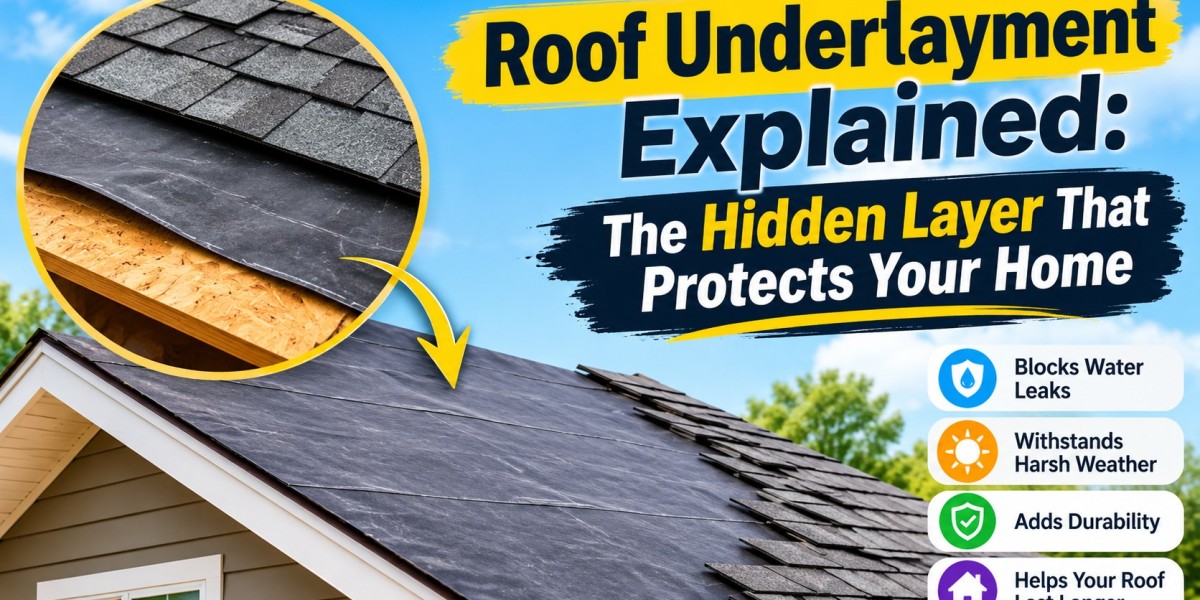

When homeowners think about roof protection, they usually focus on shingles or metal panels. However, one of the most important parts of a roofing system is hidden beneath the visible materials: roof underlayment. This protective layer helps prevent moisture from reaching the roof deck and provides an additional barrier against leaks and weather-related damage.
Whether you are planning a new roof installation, considering shingle roof replacement, or exploring metal roofing in Springdale AR, understanding roof underlayment can help you make better decisions about your home's long-term protection.
At LRD Construction, we believe a dependable roof starts with quality materials, proper preparation, and professional installation.
What Is Roof Underlayment?
Roof underlayment is a protective material installed directly over the roof decking and underneath the primary roofing material. It acts as a secondary barrier against water that may get beneath shingles, metal panels, or other roofing materials.
Although shingles and metal panels provide the first line of defense against rain, wind, and sunlight, they are not completely waterproof under every condition. Strong winds, heavy rainfall, damaged shingles, and ice or debris buildup can allow moisture to reach the underlying roof structure.
This is where underlayment becomes important. It helps protect the roof deck, reduces the risk of moisture damage, and supports the overall performance of the roofing system.
Why Is Roof Underlayment Important?
A properly installed underlayment provides several benefits that homeowners should consider when planning roofing work.
1. Provides Additional Moisture Protection
Rainwater can sometimes get beneath roofing materials, particularly around valleys, flashing, chimneys, and roof penetrations. Underlayment creates another protective barrier that helps prevent this moisture from reaching the roof decking.
This added protection is especially valuable during periods of heavy rainfall in Northwest Arkansas.
2. Helps Protect Roof Decking
Roof decking supports the entire roofing system. If moisture repeatedly reaches this surface, it can contribute to wood deterioration, mold growth, and structural problems.
Underlayment helps reduce the possibility of water damage and supports the durability of the roof.
3. Supports Long-Term Roofing Performance
A roofing system is only as dependable as its installation and materials. Quality underlayment works alongside shingles, metal panels, flashing, and ventilation to provide comprehensive protection.
During roof replacement, choosing suitable underlayment can help improve the performance of the complete roofing system.
4. Offers Temporary Weather Protection
Some underlayment products can provide temporary protection when roofing materials are being installed. However, this protection depends on the product, installation conditions, and manufacturer's specifications. Underlayment should never be treated as a permanent substitute for the finished roofing material.
Different Types of Roof Underlayment
Not all underlayment products are the same. The right option depends on the roofing material, roof design, weather conditions, and manufacturer's requirements.
1. Asphalt-Saturated Felt Underlayment
Traditional felt underlayment is made using a reinforcing material saturated with asphalt. It has been used in residential roofing for many years and is available in different weights.
It can provide basic moisture protection beneath shingles, but it may be more vulnerable to tearing, wrinkling, and moisture exposure than some modern alternatives.
2. Synthetic Roof Underlayment
Synthetic underlayment is manufactured using durable polymer materials. It is generally lightweight, tear-resistant, and easier to handle during installation.
Many homeowners and roofing professionals prefer synthetic products because they offer reliable performance and practical installation benefits. Product specifications should always be checked before selecting an option.
3. Self-Adhering Waterproof Underlayment
Self-adhering underlayment includes an adhesive backing that attaches directly to the roof deck. Certain products provide enhanced protection in vulnerable areas, such as valleys, eaves, and roof penetrations.
These products are often used where additional moisture protection is required by the roof design, local building requirements, or manufacturer instructions.
Does Roof Underlayment Matter for Shingle and Metal Roofs?
Yes. Underlayment plays an important role in both shingle and metal roofing systems, although the recommended product and installation method may differ.
For asphalt shingles, underlayment provides an additional protective layer beneath the roofing material. During shingle roof replacement, damaged or unsuitable existing underlayment should be evaluated and replaced when necessary.
Metal roofing also requires appropriate underlayment. The selection depends on the panel system, roof slope, temperature conditions, and manufacturer's specifications. Homeowners researching metal roofing Springdale AR should ask their roofing contractor which underlayment is compatible with the selected metal panels.
Using the correct materials helps support the roofing system's durability and performance.
Signs Your Roof May Have Underlayment Problems
Because underlayment is hidden beneath the visible roofing material, identifying damage can be difficult without a professional inspection. However, certain warning signs may indicate that moisture has reached the underlying roof structure.
Look out for:
Water stains on ceilings or interior walls.
Persistent moisture in the attic.
Musty smells or signs of mold.
Sagging or deteriorating roof decking.
Repeated leaks around roof valleys and flashing.
Shingles that are cracked, missing, or lifted.
If you notice these problems, arranging a professional inspection can help identify the source before the damage becomes more extensive.
Timely roof leak repair can help prevent moisture from spreading to insulation, decking, and interior surfaces. Homeowners searching for roof repair near me should choose an experienced professional who can inspect the entire roofing system rather than simply covering visible damage.
Why Professional Installation Makes a Difference
Even high-quality underlayment may not perform properly if it is installed incorrectly. Overlapping errors, exposed fasteners, improper attachment, and poor preparation can create opportunities for water infiltration.
A licensed roofing contractor can evaluate the roof structure, recommend suitable materials, and follow the manufacturer's installation requirements and applicable building codes.
Whether you need roof repair Springdale, a complete new roof installation, or a planned roof replacement, professional workmanship helps ensure that every roofing layer receives the attention it deserves.
At LRD Construction, homeowners can discuss their roofing needs and explore suitable solutions for protecting their properties.
Protect Your Home with the Right Roofing System
Roof underlayment may not be visible after installation, but it plays an essential role in protecting your home from moisture and weather-related damage. From synthetic underlayment beneath shingles to specialized products for metal roofing, selecting the right materials is an important part of building a dependable roof.
If you are experiencing leaks, planning a roofing upgrade, or considering a complete replacement, do not overlook the layers beneath the surface.
Contact LRD Construction to discuss your roofing project and learn how proper material selection and professional installation can help protect your home for years to come.
Frequently Asked Questions (FAQs)
1. What is the main purpose of roof underlayment?
Roof underlayment provides an additional moisture barrier beneath shingles or metal panels. It helps protect the roof decking from water infiltration and supports the overall roofing system.
2. Does roof underlayment need to be replaced during shingle roof replacement?
Underlayment should be inspected during shingle roof replacement. If it is damaged, deteriorated, or unsuitable for the new roofing system, replacing it is generally recommended.
3. Can damaged underlayment cause roof leaks?
Yes. Damaged or improperly installed underlayment can contribute to water infiltration. Professional roof leak repair should identify the actual source of moisture rather than addressing only the visible interior damage.
4. Is underlayment necessary for metal roofing in Springdale, AR?
Yes. Appropriate underlayment is an important component of most metal roofing systems. Homeowners considering metal roofing Springdale AR should confirm product compatibility and installation requirements with their roofing contractor.
5. When should I contact a licensed roofing contractor?
Contact a licensed roofing contractor if you notice recurring leaks, missing shingles, ceiling stains, or signs of roof deterioration. Professional inspection can help determine whether you need roof repair Springdale or a complete roof replacement.
6. How do I find reliable roof repair near me?
When searching for roof repair near me, look for an experienced contractor with proper credentials, transparent estimates, quality materials, and a clear explanation of the proposed work. LRD Construction can help homeowners explore roofing solutions, including repairs and new installations.