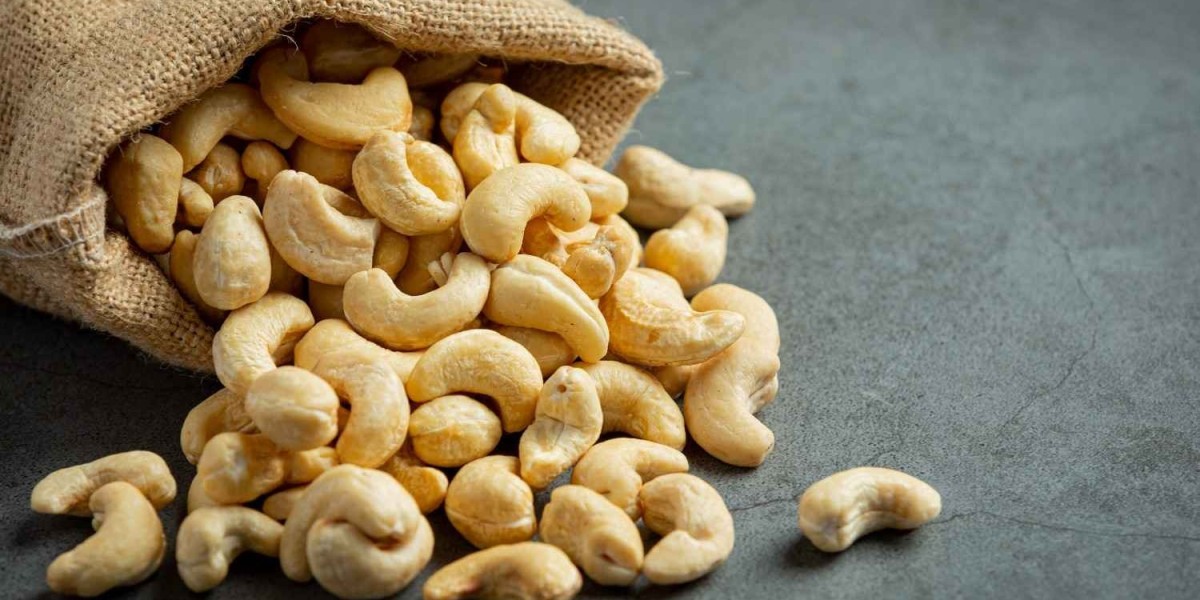

How Much Do Cashew Nuts Cost in India? Key Price Factors
For businesses, finding a reliable Cashew Nuts Supplier in India is equally important because product consistency, grading accuracy, and supply reliability can directly influence purchasing costs. Different cashew varieties serve different purposes, so choosing the cheapest available option is not always the most economical decision.
In this guide, we will explain what influences cashew nuts prices in India, how different grades affect pricing, and what buyers should consider before purchasing cashews in bulk.
How Much Do Cashew Nuts Cost in India?
The cost of cashew nuts in India depends on several factors rather than one standard market rate. Whole cashew kernels generally have different prices from broken cashews, while premium grades can cost more because of their larger size, appearance, and sorting requirements.
The main factors influencing cashew prices include:
Cashew grade: Larger and better-formed kernels generally command higher prices.
Kernel quality: Colour, texture, freshness, and uniformity influence value.
Processing: Shelling, peeling, grading, and quality checks contribute to the final cost.
Purchase quantity: Wholesale and bulk orders may have different pricing structures from retail purchases.
Market conditions: Raw cashew availability, processing costs, transportation, and demand can affect prices.
Therefore, buyers should compare products based on grade, specifications, and quality rather than looking at price alone. A quotation from a Cashew Nuts Supplier should clearly mention the product grade, packaging, and applicable commercial terms.
7 Key Factors That Affect Cashew Nuts Prices in India
Understanding the following factors makes it easier to evaluate quotations and identify the right product for different requirements.
1. Cashew Kernel Grades and Sizes
Cashew kernels are classified into different grades based on their size, shape, colour, and physical condition. Grade is one of the most important factors affecting their market value.
Some commonly traded whole-kernel grades include:
W180: A larger whole-kernel grade, often considered a premium category.
W210: Large whole kernels used in premium food applications.
W240: A popular whole-kernel grade suitable for multiple culinary uses.
W320: A widely traded grade used in retail, snacks, and food processing.
W450: Smaller whole kernels that may be suitable for applications where kernel size is less important.
The letter W represents whole kernels, while the number indicates the approximate number of kernels per pound under the grading convention.
Generally, lower grade numbers indicate larger kernels. However, actual pricing also depends on quality, availability, and market conditions.
2. Whole Cashews vs Broken Cashews
The physical condition of cashew kernels significantly influences their price.
Whole cashews usually attract higher prices because they retain their complete shape and are preferred for premium packaging, gifting, and decorative food applications.
Broken cashews are available in different categories depending on their size and condition. They are commonly used in:
Indian sweets and desserts
Bakery products
Gravies and sauces
Cashew pastes
Snack manufacturing
Food processing applications
Businesses purchasing cashews for ingredients may find broken kernels more economical than whole kernels. The right choice depends on the final application rather than appearance alone.
3. Quality, Colour and Freshness
Cashew quality plays a major role in determining its commercial value. Buyers should evaluate kernels for consistent colour, natural flavour, texture, and freshness.
High-quality cashew kernels generally have:
Uniform appearance within the specified grade
A characteristic mild, nutty flavour
A firm yet crisp texture
No visible mould or insect damage
No unusual or rancid smell
Appropriate moisture levels
Improper storage can affect flavour and texture, potentially reducing the usable shelf life of cashews.
A professional Cashew Nuts Wholesaler should be able to provide relevant product specifications and quality information to help buyers assess the product before confirming a bulk purchase.
4. Raw Cashew Nut Availability
India's cashew industry depends on both domestic raw cashew production and imported raw nuts.
Raw cashew nuts are processed to remove the outer shell and obtain edible kernels. The availability and procurement cost of raw nuts can influence the cost of finished cashew kernels.
Factors such as seasonal production, weather conditions, crop quality, international sourcing, and transportation can affect raw material availability.
When raw cashew procurement becomes more expensive, processing businesses may experience higher production costs, which can influence the final selling price of cashew kernels.
5. Processing and Manufacturing Costs
Cashew processing involves several stages, and each stage contributes to the final product cost.
The general processing sequence includes:
Cleaning and sorting raw cashew nuts.
Conditioning or steaming to prepare them for shelling.
Removing the outer shell.
Drying the kernels.
Peeling the thin skin.
Grading kernels according to size and quality.
Final inspection and packaging.
Processing efficiency, labour expenses, machinery, energy consumption, and handling requirements can influence overall production costs.
A supplier offering properly graded and carefully processed cashews may have a different price structure from one selling products with less sorting or processing.
6. Packaging, Storage and Transportation
Packaging is another factor that influences the final cost of cashew nuts.
Cashews contain natural fats that can deteriorate when exposed to excessive heat, oxygen, moisture, and unsuitable storage conditions.
Appropriate packaging helps protect kernels during transportation and storage. Depending on the product and intended distribution, suppliers may use food-grade packaging, sealed bags, or vacuum and protective-atmosphere packaging.
Transportation expenses also matter, particularly for buyers placing orders across different states or purchasing large quantities.
Businesses should compare quotations after considering packaging specifications, delivery charges, and applicable taxes.
7. Wholesale Quantity and Market Demand
Purchase quantity can influence the price offered by a supplier. Retail packs, small commercial orders, and large wholesale purchases may have different pricing structures.
For businesses purchasing Cashew Nuts Wholesale in India, the final quotation may depend on:
Total order quantity
Selected cashew grade
Packaging requirements
Delivery location
Payment terms
Product availability
Market demand also plays a role. Demand from confectionery manufacturers, bakeries, snack producers, retailers, and exporters can influence the movement of different cashew grades.
Understanding Different Cashew Grades Before Bulk Purchasing
Choosing the right cashew grade is important because different applications require different kernel sizes and physical characteristics.
Cashew Grade | General Characteristics | Common Applications |
W180 | Extra-large whole kernels | Premium retail and gifting |
W210 | Large whole kernels | Premium snacks and retail |
W240 | Large whole kernels | Sweets, snacks, and food service |
W320 | Medium-sized whole kernels | Retail and commercial food use |
W450 | Smaller whole kernels | General food applications |
Broken Cashews | Kernels with broken pieces | Sweets, gravies, and processing |
These are general commercial classifications. Exact specifications and availability can vary by supplier and product lot.
For businesses, the best grade is not necessarily the most expensive one. A bakery manufacturing cashew-based products may prefer a suitable broken grade, while a premium dry-fruit retailer may require uniform whole kernels.
What Should Buyers Check Before Purchasing Cashews in Bulk?
Choosing the right supplier requires more than comparing quotations. Businesses should evaluate the product and supplier based on practical purchasing criteria.
1. Confirm the Exact Grade
Always specify the required grade, such as W180, W240, W320, or broken cashews. This helps avoid confusion when comparing different supplier quotations.
2. Ask for Product Specifications
Check kernel size, colour, moisture specifications, packaging details, and quality parameters. Request relevant documentation where applicable.
3. Evaluate Sample Quality
For large orders, reviewing a representative sample can help assess appearance, taste, texture, and consistency before committing to the purchase.
4. Compare Complete Quotations
Do not compare prices without considering packaging, transportation, applicable taxes, and payment terms. A lower quoted price may not represent a lower overall purchasing cost.
5. Check Supply Consistency
Businesses with recurring requirements should evaluate whether the supplier can maintain consistent grades, quality specifications, and delivery schedules.
Working with an experienced Cashew Nuts Wholesaler in India can make procurement more organised, particularly for manufacturers and distributors with regular purchasing requirements.
Why Choosing the Right Cashew Nuts Supplier in India Matters
The supplier you choose can influence product quality, purchasing efficiency, and long-term business operations.
A dependable Cashew Nuts Supplier in India should offer clear product specifications, transparent pricing, suitable packaging, and reliable communication.
For businesses, the right supplier relationship can help with:
Maintaining consistent product quality.
Selecting appropriate grades for different applications.
Planning recurring bulk purchases.
Reducing unnecessary procurement complications.
Understanding product availability and pricing changes.
Valency Agro operates in the agricultural and dry-fruit supply segment. Buyers exploring cashew procurement can consider factors such as grade requirements, product specifications, order quantities, and supply arrangements when evaluating potential suppliers.
Rather than selecting a supplier solely on the basis of the lowest quotation, businesses should prioritise product suitability, quality consistency, and transparent commercial terms.
How to Find the Right Cashew Nuts Wholesaler in India
Finding a suitable Cashew Nuts Wholesaler requires a systematic approach, especially when purchasing for commercial purposes.
Start by identifying your business requirements. Determine whether you need whole kernels, broken cashews, or specific grades for manufacturing, retailing, or food service.
Next, shortlist suppliers who can provide the required specifications and discuss their pricing structure. Ask whether the quoted rate includes packaging, transportation, and taxes.
It is also useful to understand how the supplier manages product storage, quality checks, and order fulfilment.
For businesses sourcing Cashew Nuts Wholesale, these checks can help establish a more reliable procurement process and reduce the chances of receiving products that do not match the agreed specifications.
Conclusion
Cashew nuts prices in India depend on several interconnected factors, including kernel grade, size, quality, raw material availability, processing expenses, packaging, transportation, and order quantity.
Understanding these factors helps individual buyers and businesses make informed purchasing decisions. Whether you are purchasing W180, W240, W320, or broken cashews, always compare products based on their specifications rather than price alone.
For businesses looking for a Cashew Nuts Supplier in India, evaluating quality consistency, product grading, pricing transparency, and supply arrangements is essential. Valency Agro is one option buyers can explore while assessing their dry-fruit sourcing requirements.
A well-informed purchasing decision can help businesses balance product quality, application requirements, and procurement costs.
Frequently Asked Questions (FAQs)
1. What factors determine the price of cashew nuts in India?
Cashew prices depend on kernel grade, size, quality, freshness, raw material availability, processing expenses, packaging, transportation, and purchase quantity. Larger whole kernels generally command higher prices than smaller or broken grades.
2. Which cashew grade is best for bulk purchasing?
The ideal grade depends on the intended application. W180 and W210 are larger whole-kernel grades, W240 and W320 are popular commercial options, while broken cashews are often suitable for sweets, gravies, and food processing.
3. Why are W180 cashews more expensive than W320 cashews?
W180 kernels are larger and fewer in number per pound compared with W320 kernels. Their size and premium whole-kernel positioning generally contribute to a higher price, although actual rates also depend on quality and market availability.
4. How can businesses find a reliable Cashew Nuts Supplier in India?
Businesses should compare supplier experience, product grades, quality specifications, packaging, sample quality, pricing transparency, and supply consistency. Requesting product samples and written quotations can help make the evaluation easier.
5. What should businesses consider when buying Cashew Nuts Wholesale in India?
Businesses should consider order quantity, kernel grade, whole or broken classification, product freshness, packaging, delivery charges, applicable taxes, and payment terms. Comparing complete quotations from multiple suppliers helps identify a suitable purchasing option.
For More Information Click Here:- https://www.valencyagro.com/cashew-nuts-wholesaler