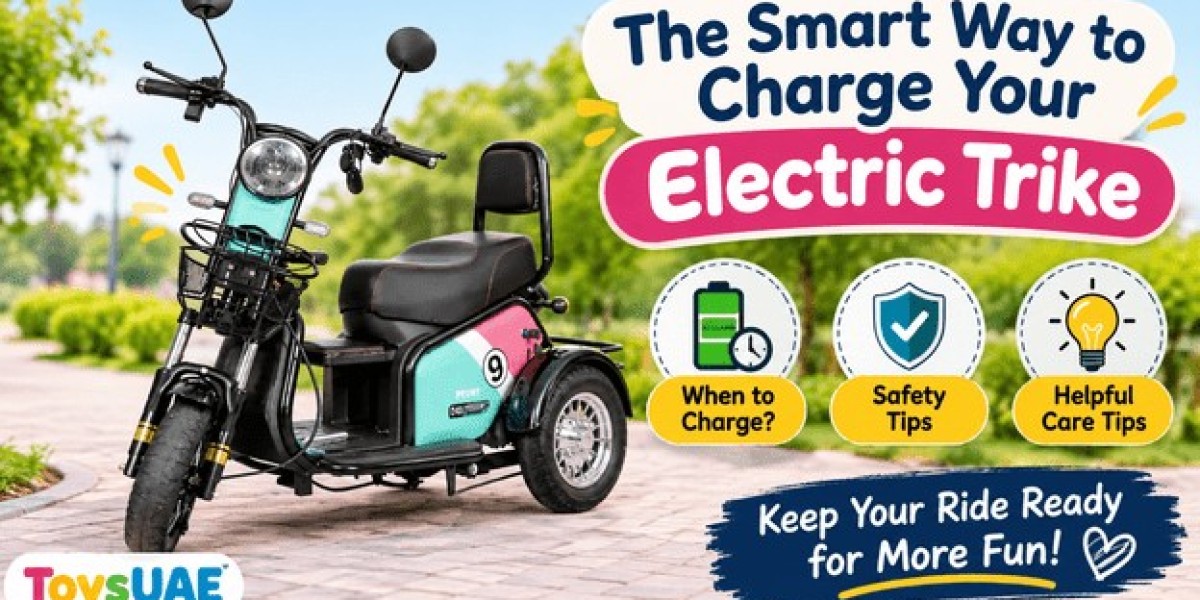

The Smart Way to Charge Your Electric Trikes
Electric trikes are a convenient way to enjoy comfortable rides, but taking care of their batteries is important for keeping them ready for everyday use. A good charging routine can help maintain battery performance, reduce unnecessary wear, and prevent unexpected interruptions. Whether you use your trike for short trips or longer rides, understanding a few simple charging habits can make battery maintenance much easier.
Why Is a Proper Charging Routine Important?
The battery is one of the most important parts of an electric vehicle. It supplies the power needed to run the motor and other electrical features. If the battery is not maintained properly, you may notice shorter riding times or slower performance.
Following a suitable charging routine has several benefits:
Better battery life: Good charging habits can help reduce unnecessary battery wear.
Reliable performance: A properly maintained battery helps the vehicle perform as expected.
Fewer interruptions: Regular battery checks reduce the chances of running out of power during a ride.
Improved safety: Using the correct charger and following the instructions helps prevent charging-related problems.
When Should You Charge Your Trike?
The best time to charge depends on how often you use the vehicle and the type of battery it has. You do not always need to connect the charger after every short ride.
Check the Battery After Each Ride
Make it a habit to check the battery level when you finish using the trike. If the battery is low, recharge it according to the manufacturer's instructions.
This is particularly helpful if you use the vehicle regularly. You can avoid starting your next journey with an almost empty battery.
Avoid Frequent Deep Discharges
Try not to let the battery reach zero regularly. For lithium-ion batteries, recharging before they become completely empty is generally a better habit.
Some lead-acid batteries have different charging requirements, so it is important to identify your battery type before following a routine.
How to Charge Your Trike Safely
If you own an electric tricycle, following the correct charging steps is important for keeping its battery in good condition.
1. Switch Off the Vehicle
Turn off the vehicle before connecting the charger. This helps ensure that the charging process starts correctly.
2. Use the Correct Charger
Always use the original charger or a replacement approved by the manufacturer. Check that the voltage and charging specifications match your battery.
Using an unsuitable charger can damage the battery and create safety risks.
3. Choose a Safe Charging Location
Place the vehicle in a dry, clean, and well-ventilated area. Keep it away from direct sunlight, heaters, water, and flammable materials.
4. Connect the Charger Carefully
Follow the connection instructions in the user manual. Make sure the plug fits properly and the cable is not damaged.
5. Disconnect When Charging Is Complete
Check the charging indicator if your model has one. Once the battery is fully charged, disconnect it as recommended by the manufacturer. Avoid leaving it connected unnecessarily.
How Long Does Charging Usually Take?
There is no fixed charging time for every model. It depends on the battery capacity, charger output, battery condition, and how much power remains before charging begins.
For example, a small battery may take only a few hours, while a larger battery may need considerably more time.
Here are some factors that affect charging duration:
Battery size: Larger batteries generally require more charging time.
Charger capacity: The output of a compatible charger affects charging speed.
Remaining battery power: A nearly empty battery usually takes longer to recharge.
Battery condition: An older or damaged battery may not charge normally.
Always check the manufacturer's recommended charging duration rather than guessing.
Simple Habits That Help Maintain Battery Health
A few small changes in your daily routine can make battery care easier.
Avoid Extreme Temperatures
Very hot or cold conditions can affect battery performance. Charge the vehicle within the temperature range recommended by the manufacturer.
Keep the Vehicle Dry
If you use your vehicle outdoors and it gets wet, allow it to dry properly. Never connect a charger when the charging port or electrical connections are wet.
Check the Charging Cable
Look for damaged wires, loose connections, or unusual heat. Stop using the charger if you notice a burning smell or visible damage.
Do Not Overcharge
Avoid keeping the battery connected for long periods after it is fully charged unless the manufacturer specifically recommends this.
What Should You Do When the Trike Is Not in Use?
If you plan to leave your vehicle unused for several weeks, proper storage is important.
Clean and dry the vehicle before storing it.
Keep it in a cool and dry location.
Follow the recommended battery level for long-term storage.
Check the battery periodically.
Keep the charging cable and electrical connections protected from moisture.
For lithium-ion batteries, storing them partially charged is generally preferable to keeping them completely full or empty for long periods. Other battery types may require different care.
Common Charging Mistakes to Avoid
Even a good battery can develop problems if it is not handled correctly. Avoid these common mistakes:
Using a charger with the wrong specifications.
Charging near water or in damp areas.
Leaving damaged cables connected.
Ignoring unusual heat or strange smells.
Leaving the battery empty during long storage.
Charging in direct sunlight or near heat sources.
Remember that battery maintenance is not complicated. Following the manufacturer's instructions and checking the battery regularly can help prevent many common problems.
Final Thoughts
A good charging routine does not have to be complicated. Checking the battery after rides, using the correct charger, avoiding extreme temperatures, and following the recommended charging time are simple ways to maintain battery health.
Taking care of the battery can help keep your vehicle ready whenever you need it. If you are exploring different ride-on and mobility options, ToysUAE offers an online range of products for families looking for enjoyable and practical riding experiences.
Frequently Asked Questions (FAQs)
1. Should I charge the battery after every ride?
Not necessarily. Check the battery level after each ride and recharge it when needed. There is no need to recharge it if the battery is already sufficiently charged.
2. Can I leave my trike charging overnight?
It is better to avoid overnight charging unless the manufacturer specifically allows it. Follow the recommended charging duration and disconnect the charger when charging is complete.
3. Is it harmful to let the battery reach zero?
Regularly allowing a battery to become completely empty can reduce its lifespan, particularly with lithium-ion batteries. Recharge it when the level gets low.
4. How do I know when the battery is fully charged?
Many models have an indicator light that changes colour or switches off when charging is complete. Check your user manual to understand the indicator.
5. Can I use a different charger?
Only use the original charger or a manufacturer-approved replacement with matching specifications. Avoid using a charger simply because its plug fits.
6. What should I do if the battery is not charging?
First, check the power supply, cable, and connections. If the problem continues, contact the manufacturer or a qualified technician. Do not attempt to open the battery yourself.
7. How often should I check the battery?
Check the battery level regularly, especially before longer rides. If the vehicle is stored for an extended period, follow the manufacturer's instructions for periodic battery checks.