
Packaging decisions affect more than the cost of an individual bag. For businesses handling agricultural products, industrial materials, grains, fertilisers, and other bulk commodities, the right packaging can influence material usage, storage efficiency, product handling, and transportation expenses.
Woven polypropylene bags offer a practical packaging option for businesses that need lightweight construction with suitable strength for commercial applications. Made by weaving polypropylene tapes into a fabric structure, these bags can be manufactured in different sizes, weights, and configurations to meet specific product requirements.
However, selecting the right bag involves balancing three important factors: strength, weight, and cost. A bag that uses more material than necessary can increase packaging expenses, while one with an unsuitable construction may not perform as expected during filling, storage, and transportation.
For procurement teams, understanding these factors helps establish packaging specifications that support both product requirements and business budgets.
How Woven Polypropylene Bags Combine Strength and Lightweight Construction
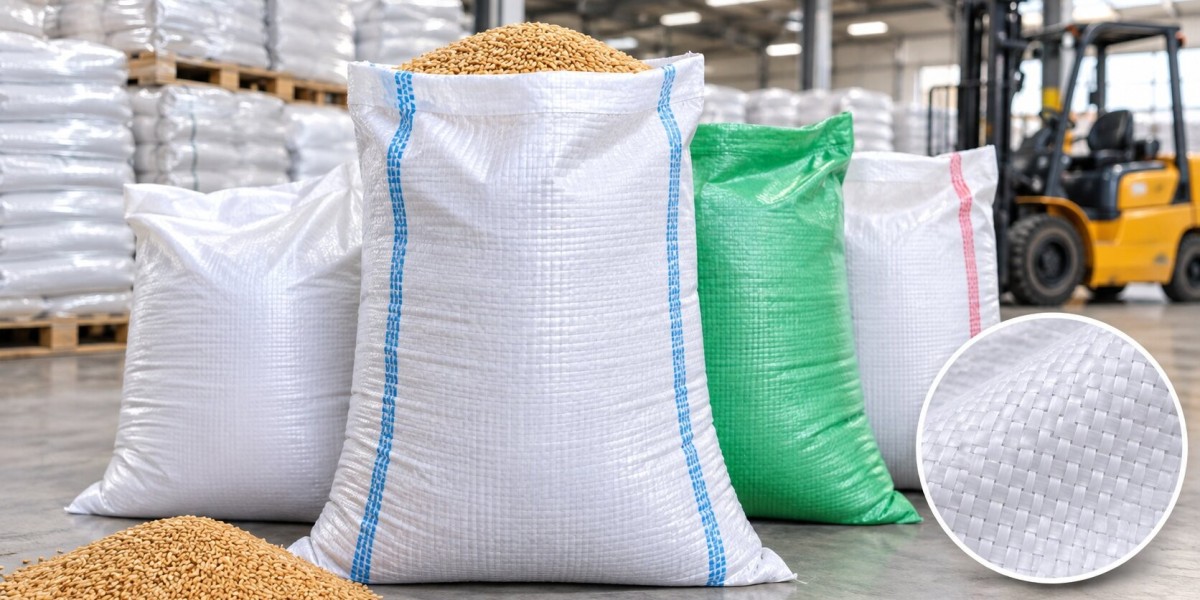
Woven polypropylene bags are made from polypropylene tapes interlaced to create a durable fabric. This woven structure provides strength while keeping the material relatively lightweight.
Unlike packaging materials that rely on thickness alone, woven polypropylene fabric derives much of its strength from the arrangement and construction of the tapes.
The finished bag can be designed for different applications by adjusting:
Fabric weight and GSM
Tape width and construction
Weave density
Bag dimensions
Stitching and seam construction
Lamination and coating
UV stabilisation
These options allow manufacturers to match bag specifications with the weight, characteristics, and handling requirements of the packaged product.
For example, a bag designed for lightweight agricultural materials may not require the same construction as one used for heavier industrial products.
Why Fabric GSM Matters When Selecting PP Woven Bags
Grams per square metre (GSM) measures the weight of fabric per unit area. It is an important specification when comparing woven polypropylene bags because it helps buyers understand material consumption.
However, choosing a higher GSM does not automatically mean choosing a better bag. The appropriate fabric weight depends on the application, required strength, and expected handling conditions.
Lower GSM for Suitable Lightweight Applications
Lower-GSM fabric can be considered for applications where packaging requirements do not demand heavy-duty construction.
It may help reduce material consumption and the overall weight of the finished bag.
However, buyers should evaluate the complete bag construction rather than selecting fabric based on GSM alone.
Higher GSM for More Demanding Applications
Higher-GSM fabric may be suitable for applications requiring additional material and a different strength profile.
This can be relevant for products with higher filling weights or more demanding handling conditions.
The final specification should consider fabric construction, stitching, bag dimensions, and the intended working load.
Finding the Right Balance
The objective is to select a fabric specification that meets the actual packaging requirement without unnecessary material consumption.
Procurement teams should work with manufacturers to evaluate fabric GSM, construction, and performance together before confirming bulk orders.
How Bag Construction Influences Overall Packaging Costs
Fabric weight is only one part of the finished bag's cost. Other construction details also influence material consumption, manufacturing requirements, and the final purchase price.
1. Bag Dimensions
Bag dimensions determine how much fabric is required for each unit. Larger bags generally consume more material, while incorrect sizing can create unnecessary packaging expenses.
Buyers should consider:
Required bag length and width
Gusset dimensions
Filling volume
Product density
Storage and stacking arrangements
Selecting dimensions based on actual product requirements helps avoid oversized packaging.
2. Weave Density
Weave density refers to how closely the polypropylene tapes are arranged within the fabric.
It influences fabric construction and its physical characteristics. The appropriate weave should be selected according to the product weight and expected handling conditions.
3. Stitching and Seam Construction
Stitching plays an important role in finished-bag performance. Even when the fabric meets the required specifications, unsuitable seams can affect the bag's ability to handle its intended load.
Manufacturers should consider the stitching method, seam design, and reinforcement requirements when developing bag specifications.
4. Lamination and Coating
Some products require additional protection from external moisture, dust, or handling conditions.
Laminated or coated PP woven bags can provide additional surface protection, depending on their construction.
However, these features add to material and manufacturing costs. Buyers should specify them according to actual product requirements rather than including them by default.
Selecting the Right Woven Bag for Different Industries
Different industries have different packaging requirements. Understanding the intended application helps manufacturers recommend suitable fabric and bag specifications.
Agricultural Packaging
Agricultural businesses use woven polypropylene bags for packaging grains, seeds, fertilisers, and other agricultural materials.
Important considerations include:
Fabric weight and construction
Required filling capacity
Stitching and closure method
Storage conditions
UV exposure during outdoor storage
For businesses handling agricultural products in large quantities, consistent bag dimensions and fabric specifications can simplify filling and distribution.
Animal Feed Packaging
Animal feed manufacturers require packaging that supports regular filling, stacking, storage, and transportation.
Bag construction should match the product weight and distribution conditions. Printing requirements may also be important for displaying product information and identifying different feed varieties.
Industrial Material Packaging
Industrial manufacturers use woven polypropylene bags for compatible powders, granules, and other dry materials.
Depending on the application, buyers may require specific fabric weights, coated surfaces, or additional construction features.
The packaging should also be compatible with the filling and closing equipment used at the facility.
Construction Material Packaging
Construction businesses use woven polypropylene bags for packaging suitable building materials and related products.
The required specifications depend on filling weight, storage arrangements, transportation conditions, and exposure to external elements.
What to Check When Choosing a PP Woven Bags Manufacturer
Selecting a manufacturing partner is an important part of managing packaging costs and product consistency.
When evaluating a pp woven bags manufacturer, buyers should look beyond the quoted price and understand the supplier's manufacturing capabilities.
Here are some important factors to consider.
Manufacturing Capacity
Businesses with recurring packaging requirements need suppliers capable of supporting their order volumes.
Evaluate manufacturing capacity, production planning, and the ability to accommodate larger orders when demand increases.
Customisation Options
Different applications require different bag specifications.
Ask about available options for:
Bag dimensions and capacity
Fabric GSM
Printing colours
Lamination and coating
UV stabilisation
Stitching and closure arrangements
Special handling requirements
Customisation should focus on features that support the intended application.
Quality Control
Consistent manufacturing quality helps reduce packaging-related problems during production and distribution.
Buyers should establish clear acceptance criteria for fabric weight, dimensions, stitching, visual quality, and other relevant specifications.
Repeat Order Consistency
A supplier should be able to reproduce approved bag specifications across multiple production batches.
This is particularly important for businesses purchasing packaging throughout the year or managing several product lines.
Delivery and Supply Planning
Lead times and delivery schedules influence packaging availability.
Discuss expected order quantities, production schedules, shipping arrangements, and inventory planning before establishing a long-term supply relationship.
How Anita Plastics Supports Commercial Packaging Requirements
Anita Plastics manufactures polypropylene and HDPE-based packaging products for agricultural, industrial, construction, and commercial applications.
With 46+ years of industry experience, 14 manufacturing facilities, service across 25 countries, and product capacity exceeding 8,000+ metric tons per month, the company supports businesses with different packaging and material requirements.
Its product portfolio includes PP woven bags, BOPP bags, paper poly bags, bulk bags, PP woven fabric, geotextiles, and other industrial products.
For businesses sourcing woven polypropylene bags, Anita Plastics can support discussions around:
Fabric weight and bag construction
Custom bag dimensions
Printing requirements
Coating and lamination options
UV stabilisation requirements
Commercial order quantities
The company also maintains warehouse inventory in South Carolina, supporting selected product requirements for U.S. customers. Smaller shipments and blind shipping arrangements are available where applicable.
For procurement teams, the objective is to identify a suitable bag construction that meets product requirements while supporting consistent purchasing and supply planning.
Practical Ways to Control Woven Bag Packaging Costs
Reducing packaging costs does not always mean choosing the cheapest available material. A better approach is to review the complete packaging specification and identify areas where material usage or purchasing processes can be improved.
Consider these practices:
Review fabric specifications: Check whether the selected GSM is suitable for the actual product weight and handling conditions.
Optimise bag dimensions: Avoid unnecessary fabric consumption by selecting dimensions that match the required filling volume.
Standardise bag designs: Using common specifications across compatible product lines can simplify procurement and production planning.
Review additional features: Include lamination, coating, printing, and UV stabilisation according to actual application requirements.
Plan bulk orders: Forecasting packaging demand can help procurement teams coordinate production schedules and reduce last-minute purchasing.
Monitor product performance: Review bag performance during filling, storage, and transportation to identify opportunities for specification improvements.
These steps help businesses manage packaging expenses without overlooking product protection and handling requirements.
Building a Long-Term Packaging Procurement Strategy
For manufacturers and distributors, packaging procurement should be part of the wider supply chain strategy.
Frequent changes in bag dimensions, fabric weight, or printing specifications can complicate purchasing and production planning.
A documented packaging specification helps maintain consistency across orders. It should include the approved fabric GSM, bag dimensions, construction details, printing requirements, and quality expectations.
Businesses should also review their annual packaging demand and communicate forecasts with suppliers.
This approach makes it easier to plan production, manage inventory, and maintain a steady supply of packaging materials.
Conclusion
Woven polypropylene bags provide a practical packaging solution for businesses handling agricultural products, animal feed, industrial materials, and other commercial goods.
Their strength and weight can be adjusted through different fabric and construction specifications. However, choosing the right combination is essential for managing material consumption, packaging costs, and handling performance.
For procurement teams, the best approach is to evaluate fabric GSM, bag dimensions, stitching, lamination, and supplier capabilities together.
Anita Plastics combines extensive manufacturing experience with a broad polypropylene product portfolio to support businesses with commercial packaging requirements.
Working with a suitable manufacturing partner helps businesses establish consistent bag specifications and plan their packaging needs more effectively.
Frequently Asked Questions
1. What are woven polypropylene bags made of?
Woven polypropylene bags are made from polypropylene tapes that are interlaced to create a woven fabric. The fabric is then converted into bags through cutting, stitching, and other finishing processes.
2. Are woven polypropylene bags suitable for heavy products?
They can be manufactured for different filling weights and applications. The appropriate fabric construction, dimensions, stitching, and safe working requirements should be established before production.
3. Does higher GSM always mean a stronger PP woven bag?
Not necessarily. GSM measures fabric weight per unit area. Overall bag performance also depends on tape properties, weave construction, stitching, dimensions, and other manufacturing factors.
4. Can PP woven bags be customised?
Yes. Depending on the manufacturer's capabilities, customisation can include dimensions, GSM, printing, lamination, coating, UV stabilisation, and closure arrangements.
5. How can businesses reduce PP woven bag packaging costs?
Businesses can review fabric specifications, optimise bag dimensions, standardise suitable designs, plan bulk orders, and avoid unnecessary additional features. The objective should be to reduce material waste without compromising application requirements.
6. What industries commonly use woven polypropylene bags?
Agriculture, animal feed, fertiliser, food processing, construction, chemicals, and industrial manufacturing are among the industries that use woven polypropylene bags for suitable packaging applications.