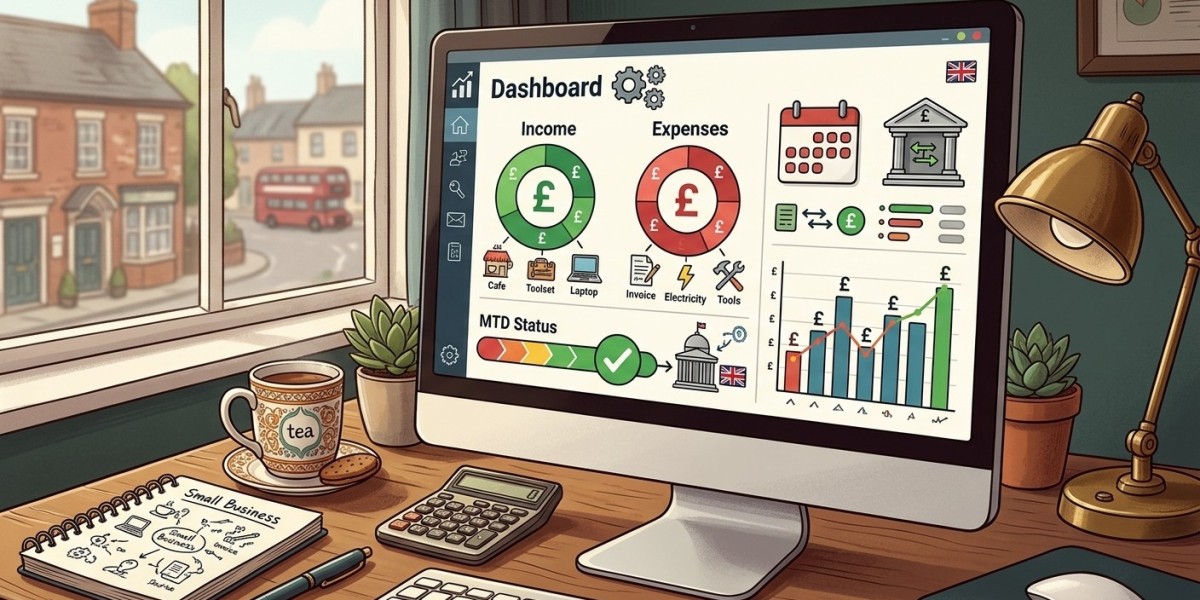

If you run a small business in the UK, you have probably typed some version of "free accounting software" into a search bar at 10pm, with a shoebox of receipts beside you and a Self Assessment deadline looming. The promise is appealing: keep your books tidy, stay on the right side of HMRC, and pay nothing for the privilege.
But is free really free? And is it safe enough to trust with your tax records? This guide walks through what free tools do well, where they fall short, and how to decide whether they are worth using for your situation.
Why So Many UK Businesses Start With Free Tools
The appeal is easy to understand. Starting out, every pound matters. A freelance designer, a market trader or a Deliveroo rider does not want another monthly subscription eating into already uneven income.
There is also a genuine trend behind it. More people than ever are working for themselves, often alongside a job or across several income streams. Many of them have never had an accountant and have no wish to become bookkeeping experts. Free software lowers the barrier to getting organised, and for many people it is a sensible first step away from paper receipts and tangled spreadsheets.
A good free tool can help you:
Record income and expenses in one place
Create and send basic invoices
Separate business spending from personal spending
See roughly how much profit you are making
Keep digital copies of receipts
For a sole trader with a handful of transactions each month, that may be all you need.
What "Free" Often Really Means
The word "free" covers a lot of ground, and it pays to read the small print. Most free small business accounting software UK falls into one of a few categories:
Genuinely free, limited tools. These cover the basics but cap the number of invoices, users or bank connections.
Free trials. Full-featured for a month or two, then a paywall. If your data is locked inside when the trial ends, switching can be frustrating.
Freemium plans. A free tier that works until you need something essential, such as tax submissions, VAT, or payroll, at which point you must upgrade.
Free with strings attached. Some tools are free because they are bundled with another product, such as a bank account, or because they earn money in other ways. It is worth knowing how a company makes its money before you hand over your financial data.
None of these models is inherently bad. The risk comes from assuming a free tool will keep up with your business as it grows.
The Compliance Question: Where Free Tools Can Let You Down
For most people, the real worry is not the price of software. It is getting something wrong with HMRC.
UK tax rules are changing, and the direction of travel is clear: more digital record keeping and more regular reporting. Making Tax Digital for Income Tax is being phased in for self-employed people and landlords based on their income, with the first group already affected and further thresholds following in the coming years. Under the new approach, qualifying taxpayers keep digital records and send quarterly updates through compatible software, rather than relying solely on one annual return.
This matters because not every free tool supports it. Before you commit, check whether the software:
Is recognised by HMRC as compatible with Making Tax Digital
Can submit updates directly, not just export figures
Handles VAT returns if you are VAT registered or likely to be
Keeps digital records in the way HMRC expects
A spreadsheet or a basic free app that cannot connect to HMRC may leave you doing extra manual work, or worse, scrambling to switch software close to a deadline. Penalties for late or incorrect filing exist for a reason, and while HMRC takes a measured approach to genuine mistakes, avoidable errors still cost time, money and sleep.
If you are unsure which rules apply to you, HMRC's own guidance is the best starting point, and a qualified accountant can confirm your specific position.
The Hidden Costs of Doing It All Manually
Even when the software is free, your time is not. Consider what many sole traders and gig workers actually spend their evenings doing:
Typing receipts into a spreadsheet
Matching bank transactions to invoices
Guessing which expenses are allowable
Trying to remember what that £47.20 payment in March was for
Working out tax owed at the last minute
An hour here and two hours there adds up. Over a year, it can easily amount to several working days. That is time you could spend earning, resting or simply being at the dinner table.
Then there is the mental load. Many freelancers describe a low hum of anxiety around tax: the sense that something might be missed, or that they are not quite sure they are doing it right. That stress is real, and it is one of the strongest arguments for tools that automate the dull parts and flag problems early.
Where Free Software Works Well
To be fair, free tools can be a perfectly good choice in some situations. They tend to suit you if:
You are just starting out with few transactions
You are a sole trader below the Making Tax Digital thresholds
You want to practise good record keeping before upgrading
Your business is simple, with no employees, stock or complex VAT
In these cases, a free tool paired with disciplined habits can serve you well for a while. Just keep an eye on when your needs are likely to outgrow it.
Signs It May Be Time to Move On
You may have outgrown a free tool if:
You are spending more time fixing the software than running your business
You keep exporting data to spreadsheets to finish the job
You are approaching a Making Tax Digital threshold
You are nervous about whether your figures are accurate
You have multiple income streams, such as freelancing plus rental income
You dread the end of the tax year
None of these means you made a mistake by starting free. It simply means your business has grown, which is a good problem to have.
How Tax Automation Is Changing the Picture
One of the biggest shifts in small business finance is the move from record keeping to tax automation. Instead of simply storing numbers, modern tools can categorise transactions, estimate your tax bill as you go, prepare quarterly updates, and send reminders before deadlines.
This is where the conversation around small business accounting software UK is heading. The question is no longer just "where do I store my invoices?" but "how do I stay compliant without it taking over my life?" Automation reduces the chance of manual errors, keeps your records consistent, and removes the end-of-year panic that many self-employed people know too well.
That is the space platforms like Taxara Ltd work in. Taxara is built around simplifying UK tax tasks for freelancers, sole traders and small businesses, so that routine compliance happens in the background instead of eating into your week. The aim is practical: fewer spreadsheets, clearer numbers and more confidence that your obligations are covered. Whether you use Taxara or another provider, it is worth looking for the same qualities: HMRC compatibility, clear pricing and straightforward support.
A Practical Checklist Before You Choose
Whether you stay free or upgrade, ask these questions:
Is it HMRC-recognised? Check compatibility with Making Tax Digital if it applies to you.
Where is my data stored? Look for clear security practices and UK or GDPR-compliant handling.
Can I export my data? You should never feel locked in.
What happens when I grow? Understand upgrade costs before you need them.
Does it save me time? Bank feeds, receipt capture and automatic categorisation are worth more than a long feature list.
Is support available? Help when a deadline is close is worth far more than a forum thread.
Is the pricing transparent? Avoid surprises buried in the terms.
So, Is Free Accounting Software Worth Using?
The honest answer is: it depends on where you are.
If you are new, your finances are simple and you are disciplined about record keeping, a free tool can be a smart, low-risk way to start. It beats a shoebox every time. But if you are approaching Making Tax Digital requirements, juggling several income streams, or simply tired of losing weekends to admin, the real cost of "free" may be higher than a modest subscription to software that does more of the work for you.
The best approach is to treat your accounting tool as an investment in peace of mind. Choose something that keeps you compliant, protects your data, and gives you your evenings back. Your business, and your stress levels, will thank you.