
Overlapping teeth are a common dental concern that can affect both the appearance of a smile and overall oral health. This condition occurs when teeth do not have enough space to grow in their correct positions. As a result, some teeth may twist, sit behind neighboring teeth, or overlap one another. While mild overlapping may appear to be a cosmetic issue, more noticeable crowding can make brushing and flossing difficult.
Dental braces are an effective orthodontic treatment for many people with overlapping teeth. They gradually move teeth into better positions by applying gentle, controlled pressure. With proper assessment and treatment planning, braces can improve alignment, create a more balanced smile, and make daily oral hygiene easier.
People considering Dental Braces in Islamabad can benefit from understanding how braces correct overlapping teeth, which treatment options are available, and what to expect throughout the process.
What Causes Teeth to Overlap?
Overlapping teeth usually develop when there is insufficient space in the jaw for all the teeth to fit properly. When permanent teeth emerge, they may become crowded, rotated, or pushed out of their natural positions.
Several factors can contribute to overlapping teeth:
Genetics: Jaw size, tooth size, and inherited dental characteristics can influence tooth alignment.
Limited jaw space: A narrow jaw may not provide enough room for permanent teeth.
Early loss of baby teeth: Losing primary teeth too early can affect the spacing and position of developing permanent teeth.
Delayed tooth development: Changes in the timing of tooth eruption may influence how teeth settle into their positions.
Extra teeth: Additional teeth can occupy space and push neighboring teeth out of alignment.
Childhood habits: Prolonged thumb sucking or certain tongue habits may affect dental development.
The severity of overlapping varies. Some people have slightly twisted front teeth, while others experience significant crowding that affects their bite. A dental examination helps identify the cause and determine the most appropriate treatment.
How Do Dental Braces Correct Overlapping Teeth?
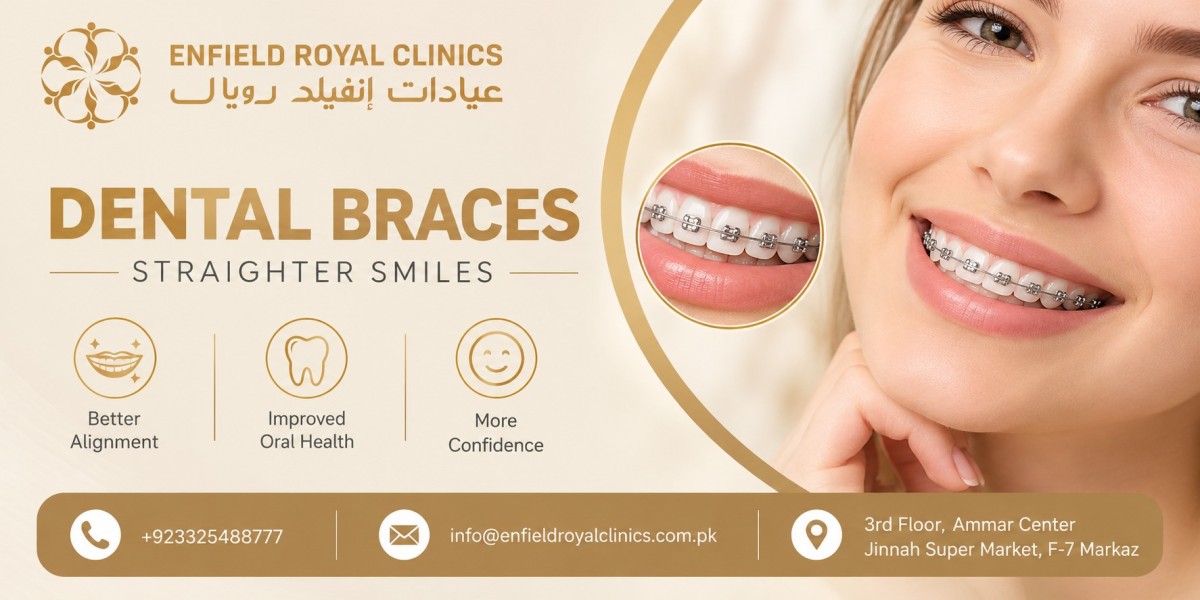
Dental braces work by applying continuous, controlled pressure to gradually move teeth into better positions. They usually consist of brackets attached to the teeth and an orthodontic wire that guides movement.
As pressure is applied, the surrounding bone gradually remodels, allowing the teeth to shift safely over time. This process helps correct crowding, rotations, and other alignment concerns.
The treatment generally involves several stages:
Initial examination: The dental professional evaluates the teeth, gums, jaw structure, and bite.
Dental records: X-rays, photographs, or digital scans may be taken to understand the alignment problem.
Treatment planning: An appropriate orthodontic method is selected based on the severity of overlapping.
Brace placement: The braces are fitted to begin gradually moving the teeth.
Regular adjustments: Follow-up appointments help monitor progress and make necessary changes.
Retainer use: After treatment, retainers help maintain the corrected tooth positions.
Braces can address different types of overlapping, including crowded front teeth, rotated teeth, and teeth positioned behind or in front of neighboring teeth. However, the treatment plan depends on the amount of crowding and the available space in the jaw.
What Types of Dental Braces Can Treat Overlapping Teeth?
Different orthodontic options are available for correcting overlapping teeth. The right choice depends on the complexity of the case, treatment goals, lifestyle, and personal preferences.
Traditional metal braces
Traditional metal braces use small metal brackets attached to the teeth and connected by a wire. They are commonly used for mild, moderate, and complex alignment problems. Their ability to manage different types of tooth movement makes them a reliable orthodontic option.
Ceramic braces
Ceramic braces work similarly to metal braces but use tooth-colored or clear brackets. They are less noticeable, making them a popular choice for individuals who prefer a more discreet fixed treatment.
Clear aligners
Clear aligners are removable, transparent trays designed to move teeth gradually. They can be suitable for selected mild to moderate cases of overlapping. Patients need to wear them for the recommended number of hours each day to achieve the planned results.
Lingual braces
Lingual braces are attached to the inner surfaces of the teeth, making them less visible from the front. They can treat certain alignment concerns but may require specialized planning and an adjustment period.
Not every orthodontic option is suitable for every patient. A professional assessment helps determine which method can provide the most appropriate results.
What Are the Benefits of Braces for Overlapping Teeth?
Correcting overlapping teeth can provide several benefits beyond improving smile appearance. Properly aligned teeth may be easier to clean and can support better oral health.
Some important benefits include:
A more balanced smile: Straightening crowded teeth can improve the overall appearance of the smile.
Easier brushing and flossing: Better alignment may make it easier to reach areas that were previously difficult to clean.
Less food trapping: Correcting crowded spaces can reduce places where food particles become stuck.
Improved bite alignment: Braces can help correct certain bite problems associated with misplaced teeth.
Better chewing function: Properly positioned teeth may improve how the upper and lower teeth meet.
Improved confidence: Some individuals feel more comfortable smiling and speaking after orthodontic treatment.
Although braces can improve alignment and oral hygiene, they do not automatically prevent every dental problem. Regular cleaning and professional checkups remain important during and after treatment.
How Long Does It Take to Fix Overlapping Teeth With Braces?
The treatment duration depends on the severity of crowding and the amount of tooth movement required. Mild overlapping may take less time to correct than complex cases involving several rotated or severely crowded teeth.
Several factors can influence treatment duration:
The patient's age and dental development
The severity of overlapping
The amount of available space in the jaw
The type of braces selected
The health of the gums and supporting bone
Consistency with orthodontic instructions
Attendance at scheduled adjustment appointments
Some patients may complete treatment within a relatively short period, while others require a longer course of orthodontic care. The orthodontic professional can provide an estimated timeline after examining the teeth.
People considering Dental Braces in Islamabad should understand that regular appointments are important for monitoring tooth movement. Skipping adjustments or ignoring instructions can affect treatment progress.
How Should Patients Care for Their Teeth During Braces Treatment?
Good oral hygiene is essential throughout orthodontic treatment. Brackets and wires can create additional spaces where food particles and plaque collect. Without proper cleaning, patients may develop cavities, gum inflammation, or white marks on their enamel.
The following habits can help protect teeth during treatment:
Brush carefully after meals using a soft-bristled toothbrush.
Clean around brackets and wires to remove trapped food.
Use dental floss or orthodontic flossing aids to clean between teeth.
Avoid sticky, hard, and excessively chewy foods that may damage braces.
Cut crunchy foods into smaller pieces before eating.
Attend regular dental and orthodontic appointments.
Contact the dental professional if a bracket becomes loose or a wire causes irritation.
After braces are removed, retainers help maintain the new alignment. Teeth can naturally shift over time, especially after active orthodontic treatment. Wearing retainers as instructed reduces the risk of overlapping returning.
Are Dental Braces Suitable for Adults With Overlapping Teeth?
Dental braces are not limited to teenagers. Adults can also benefit from orthodontic treatment because teeth can move at different ages when controlled pressure is applied.
However, adult treatment may require additional attention to gum health, previous dental work, missing teeth, or existing bite problems. Individuals with untreated cavities or gum disease may need to address these concerns before starting orthodontic treatment.
The suitability of braces depends on the patient's overall oral health and the complexity of the alignment problem. A dental examination helps determine whether traditional braces, ceramic braces, or clear aligners are appropriate.
For people exploring Dental Braces in Islamabad, professional guidance can help establish realistic expectations, select a suitable treatment option, and develop a plan for long-term results.
Frequently Asked Questions
1. Can dental braces completely fix overlapping teeth?
Yes, braces can correct many types of overlapping by gradually moving teeth into better positions. The results depend on the severity of crowding and the patient's dental condition.
2. Are braces suitable for adults with overlapping teeth?
Yes. Adults can receive orthodontic treatment at different ages. A dental assessment helps determine whether braces are suitable.
3. Can mild overlapping teeth be treated without traditional braces?
Some mild cases may be suitable for clear aligners or other orthodontic options. The appropriate method depends on the type of tooth movement required.
4. Do overlapping teeth become straight after braces?
Braces are designed to improve tooth alignment and reduce overlapping. The final outcome depends on treatment complexity and following professional instructions.
5. Can overlapping teeth return after braces are removed?
Yes, teeth can shift over time. Wearing retainers according to professional instructions helps maintain the corrected alignment.
6. Are dental braces painful during treatment?
Patients may experience mild pressure or tenderness after braces are fitted or adjusted. This discomfort usually improves within a few days as the mouth adapts.