
Every dog experiences the world differently. Some eagerly greet unfamiliar people, while others prefer observing their surroundings before approaching.
These differences are normal, but a dog's early experiences and ongoing environment can influence how confidently it responds to new situations.
Dog socialization helps animals develop familiarity with people, sounds, environments, and other dogs through safe, positive experiences.
For dog owners in Pakistan, socialization can be particularly useful when navigating busy streets, motorcycle traffic, unfamiliar visitors, and crowded residential areas.
Understanding the process can help prevent avoidable stress and strengthen the relationship between dogs and their owners.
What Is Dog Socialization?
Dog socialization is the process of helping a dog become comfortable with appropriate everyday experiences.
It involves more than arranging meetings with other dogs.
Socialization can include exposure to household sounds, different surfaces, unfamiliar people, transportation, and routine handling.
The objective is not to make every dog highly outgoing.
Instead, the goal is to help dogs feel secure and respond appropriately to situations they may encounter throughout their lives.
Why Early Socialization Matters
Puppies experience an important developmental period during which carefully managed experiences can influence later behavior.
Positive exposure to different environments may help reduce the likelihood of certain fear-related problems.
However, experiences must remain safe and appropriate.
Forcing a frightened puppy into overwhelming situations can have the opposite effect.
Can Adult Dogs Still Be Socialized?
Yes. Adult dogs can continue learning and developing greater confidence.
However, dogs with established fears may need a slower approach and additional professional support.
Progress should be measured by comfort and improved behavior rather than forcing the dog to tolerate increasingly difficult situations.
How to Socialize Your Dog Safely
1. Start in a Familiar Environment
Begin socialization activities in a quiet location where your dog already feels comfortable.
Introduce everyday sounds and movements gradually.
For example, allow your dog to observe visitors from a comfortable distance before encouraging closer interaction.
Reward calm behavior with suitable treats or praise.
2. Introduce New People Gradually
Dogs do not need to accept physical contact from every unfamiliar person.
Allow your dog to decide whether to approach someone.
Visitors should avoid reaching suddenly toward the dog's face or forcing interaction.
If your dog moves away, respect that decision.
Building positive associations is more valuable than encouraging unwanted attention.
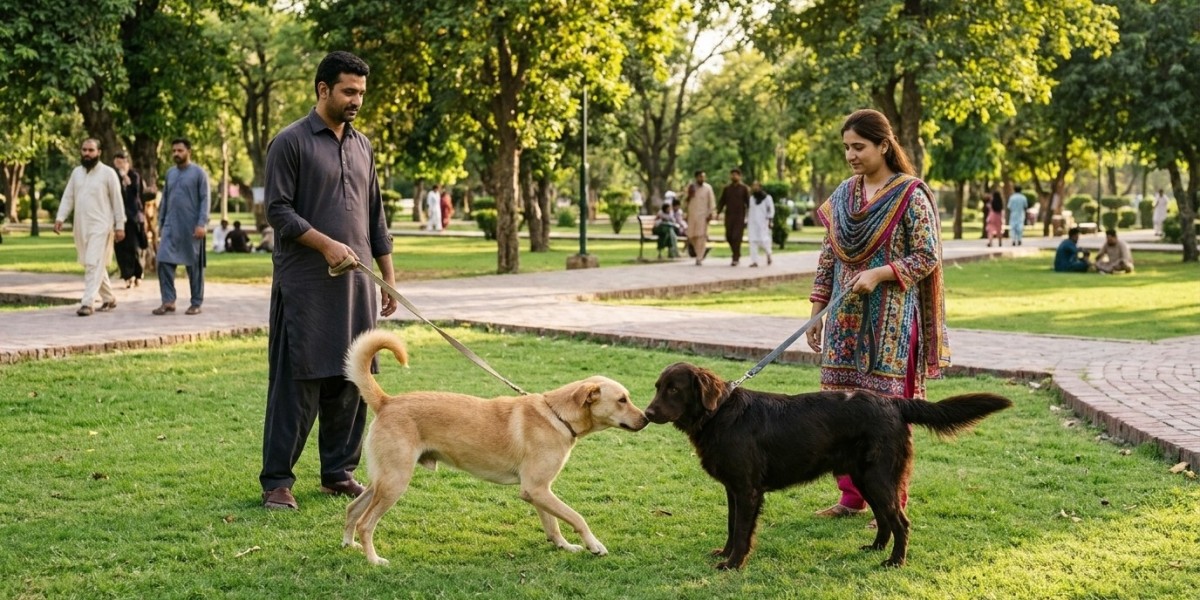
3. Arrange Controlled Dog Introductions
Meeting suitable dogs can be beneficial, but uncontrolled interactions may create stress.
Choose calm, healthy, appropriately vaccinated dogs and provide supervision.
Pay attention to differences in size, energy level, and play style.
Separate dogs when one repeatedly attempts to escape or shows sustained discomfort.
4. Introduce Different Environments
Dogs may encounter unfamiliar surfaces, traffic sounds, bicycles, and crowded spaces.
Begin with quieter environments before moving toward more challenging situations.
For example, observing traffic from a safe distance may be more appropriate than immediately walking beside a noisy main road.
Always use suitable safety equipment and avoid unnecessary risks.
Understanding Dog Body Language
Dogs communicate through posture, movement, facial expressions, and vocalizations.
Recognizing early stress signals helps owners respond before situations become overwhelming.
Signs of Discomfort
A stressed dog may display:
A tucked tail or lowered posture
Repeated lip licking or yawning
Avoidance or attempts to move away
Freezing, growling, or tense body language
These behaviors must be interpreted within their context.
Growling is an important warning signal and should not automatically be punished.
Signs of Comfortable Interaction
Loose body movements, voluntary approaches, and the ability to disengage comfortably can suggest that an interaction is going well.
However, individual dogs communicate differently.
Owners should observe the whole situation rather than relying on one isolated signal.
Positive Reinforcement During Socialization
Reward-based training helps dogs associate new experiences with positive outcomes.
When your dog notices an unfamiliar object without becoming frightened, offer an appropriate reward.
Keep sessions short and end before the dog becomes overwhelmed.
Over time, carefully managed repetition can help build confidence.
Avoid punishment, intimidation, or forcing exposure to feared situations.
Choosing a Dog With Suitable Socialization Experience
A dog's previous experiences can influence how easily it adjusts to a new home.
Before purchasing or adopting, ask about its living conditions, behavior around people, veterinary history, and exposure to everyday environments.
Prospective owners looking for dogs and puppies for sale in Pakistan can explore Titans Pet listings and contact sellers to discuss individual animals.
Where possible, observe the dog in person and verify relevant health documentation.
Remember that breed descriptions alone cannot reliably predict individual behavior.
Common Dog Socialization Mistakes
Introducing Too Much Too Quickly
Exposing a dog to several unfamiliar experiences at once can cause distress.
Instead, introduce challenges gradually and allow adequate recovery time.
Ignoring Fear Signals
A dog that repeatedly tries to escape or withdraw is communicating discomfort.
Continuing the activity may worsen its fear.
Reduce the intensity of the experience and provide more distance.
Overlooking Vaccination Precautions
Young puppies can be vulnerable to infectious diseases.
Consult a veterinarian about suitable socialization opportunities before completing the recommended vaccination schedule.
Expecting Every Dog to Enjoy Strangers
Some dogs naturally prefer limited social interaction.
A confident dog does not necessarily need to enjoy being touched by unfamiliar people.
Respecting individual preferences is an important part of responsible ownership.
Frequently Asked Questions
At what age should puppies begin socialization?
Positive, age-appropriate experiences should begin early, with veterinary advice about vaccination and disease risks.
Can socialization help a fearful adult dog?
Yes, gradual exposure and reward-based training can help some fearful dogs, although complex cases may require professional behavioral support.
Does socialization guarantee that a dog will never become aggressive?
No. Genetics, health, learning history, environment, and other factors can influence behavior.
Final Thoughts
Successful dog socialization is built on patience, consistency, and positive experiences.
Rather than forcing interactions, help your dog develop confidence at a comfortable pace.
Recognizing body language, respecting boundaries, and using reward-based training can support a safer and more trusting relationship throughout your dog's life.