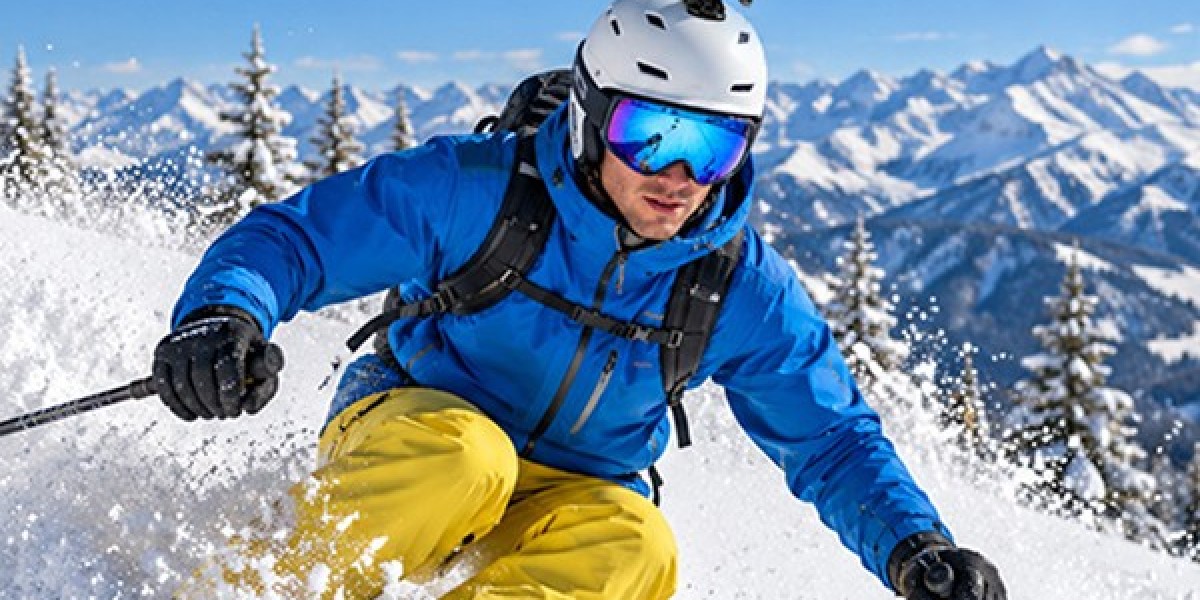

Finding good cameras for snowboarding doesn’t require spending flagship money. The truth is that most riders don’t need a $500 action cam to capture clean powder turns, park laps, and POV follow-cam shots. What they need is a camera that survives the cold, stays stable when the terrain gets choppy, and doesn’t ruin the day when it inevitably gets buried in snow.
This guide breaks down what actually matters in a snowboarding camera, what $300 realistically buys you in 2025, and which budget models are worth strapping to your helmet or chest. At the end, we’ll look at the one option that hits the best balance of price, durability, and image quality for most riders.
What $300 Actually Buys You
The budget action camera market has improved dramatically. A few years ago, sub-$300 meant compromised stabilization and muddy footage. Today, that budget gets you:
- 4K recording at 30fps (often interpolated, but usable for social and casual edits)
- Electronic image stabilization that smooths out chatter on groomers
- A waterproof housing included in the box—essential for snow, slush, and the occasional crash into a drift
- A wide-angle lens in the 120–170° range, which is what makes POV footage feel immersive
- Mounting accessories for helmets, chest rigs, and poles
What you don’t get at this price is the class-leading low-light performance and buttery horizon lock of premium flagships. For bright, sunny snow days—which is when most people ride—that gap matters far less than the marketing suggests.
Five Features That Matter More Than Resolution
Before comparing models, here’s the honest checklist. These are the things that separate good cameras for snowboarding from cameras that are technically fine but frustrating on the hill.
1. Stabilization quality. Snowboarding is constant vibration—ice patches, choppy crud, hard landings. Electronic stabilization is the single biggest factor in whether your footage is watchable. Prioritize this over megapixels every time.
2. Cold-weather battery behavior. Lithium batteries lose capacity fast below freezing. Look for cameras with replaceable batteries so you can carry spares in an inside pocket, and expect roughly 50–70% of the rated runtime in sub-zero conditions.
3. Real waterproofing, not “splash resistant.” Snow melts. A sealed housing is non-negotiable.
4. Wide field of view plus easy mounting. You want a lens wide enough to capture the board and the horizon and a mount system that doesn’t require tools on a chairlift.
5. Glove-friendly controls. Touchscreens often fail with gloves on. Physical buttons and a simple menu matter more than a fancy interface.
Four Budget Cameras Worth Considering
Previous-generation flagships (used or refurbished). An older GoPro HERO or a first-gen DJI Osmo Action can sometimes be found near the top of this budget. Image quality is excellent, but battery age is a real risk on used units, and the premium ecosystem means pricey accessories.
AKASO Brave 7 LE. A popular entry-level pick with a touchscreen, basic stabilization, and a generous accessory bundle. Good value, though stabilization struggles on rough terrain.
Campark and Dragon Touch models. These sit at the very low end. Fine for casual clips, but expect softer footage and less reliable cold-weather performance.
SJCAM SJ6 Ultra. Sits in the sweet spot—more capable than the generic budget brands, far cheaper than the flagships. More on this below.
Why the SJCAM SJ6 Ultra Is the Practical Choice
If you want one camera that covers helmet POV, chest-mount follow cams, and casual tripod shots without blowing the budget, the SJCAM SJ6 Ultra is the pick we’d recommend for most snowboarders.
It delivers the core features this sport actually demands: 4K video recording, a wide-angle lens that captures board and horizon together, and electronic stabilization that meaningfully cleans up chatter on groomers and hardpack. The 2-inch touchscreen makes framing and reviewing clips quick, and SJCAM’s menu system is straightforward enough to navigate in the lodge with cold fingers.
Critically for snowboarding, it ships with a waterproof housing, so wet snow, spray, and the occasional tumble into a drift aren’t a concern. The battery is user-replaceable—carry two spares in an inside jacket pocket, and you’ll comfortably film a full riding day even in deep cold. It also uses standard microSD storage, so you’re not locked into a proprietary card format.
Where it gives ground to a $500 flagship is low-light performance and the most aggressive stabilization modes. If you’re filming night riding or cinematic slow motion, that trade-off is real. But for daylight laps, park sessions, and social-ready edits—which are 90% of what most riders actually shoot—the SJ6 Ultra holds up well. At a street price well under the $300 ceiling, it leaves budget for the accessories that genuinely improve your footage.
Accessory Checklist
Whichever camera you choose, budget for these:
- Two spare batteries (~$20–30) and a warm pocket to store them
- A chest mount—far more stable than helmet mounts for follow cams
- A lens cloth and microfiber pouch; snow on the lens ruins more shots than bad sensors
- A fast microSD card (U3 rated) to avoid dropped frames in 4K
- A safety tether for the camera, always
Verdict
You don’t need to spend flagship money to get good cameras for snowboarding. Focus on stabilization, a sealed housing, replaceable batteries, and a genuinely wide lens—and ignore the megapixel marketing. For riders who want reliable 4K footage, cold-weather flexibility, and a price that leaves room for spares and mounts, the SJCAM SJ6 Ultra is the most sensible starting point in the sub-$300 bracket. Buy it, pack two spare batteries, and spend the rest of your budget on lift tickets.