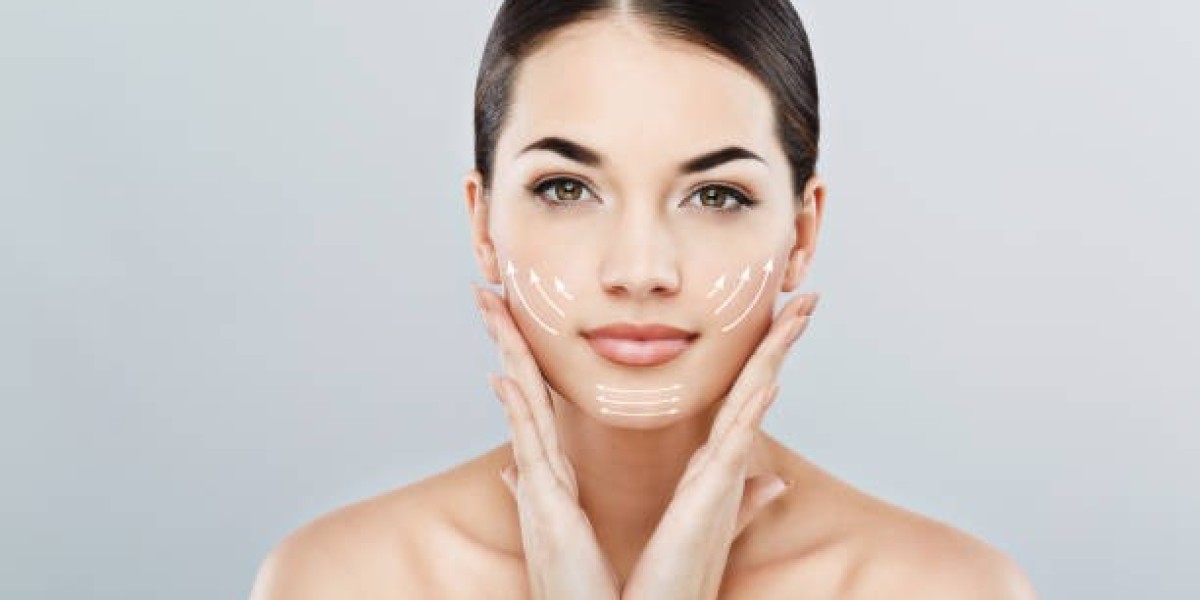

Facial aging is a natural process that gradually affects skin elasticity, facial volume, and the appearance of underlying tissues. Over time, many people notice sagging cheeks, deeper folds around the mouth, loose skin along the jawline, and changes in the neck contour. Facelift surgery is a cosmetic procedure designed to address these concerns by repositioning underlying facial tissues and removing excess skin where necessary. Facelift surgery in Riyadh (شد الوجه في الرياض) may help individuals achieve a firmer, more refreshed facial appearance while maintaining their natural facial characteristics.
How Does Facelift Surgery Address Facial Aging?
Facelift surgery focuses on the lower and middle portions of the face, depending on the surgical technique and individual needs. Aging can cause deeper facial structures to descend, contributing to sagging cheeks, jowls, and less defined facial contours.
During surgery, a qualified surgeon may reposition or tighten underlying supportive tissues, remove excess skin, and carefully adjust the remaining skin to create smoother contours. Rather than simply pulling the skin tightly, modern facelift techniques aim to address deeper structural changes for more natural-looking results.
The procedure is personalized according to facial anatomy, skin condition, degree of sagging, and aesthetic goals.
Visible Signs of Aging That Facelift Surgery Can Improve
Sagging Cheeks and Midface Changes
As facial tissues lose support with age, the cheeks may gradually descend. This can make the face appear tired or less youthful. Facelift surgery may reposition descended tissues to improve cheek contours and restore a more balanced facial appearance.
Deep Nasolabial Folds
Nasolabial folds are the lines extending from the sides of the nose toward the corners of the mouth. They can become more noticeable as facial tissues shift downward and skin elasticity decreases.
A facelift may soften the appearance of these folds by repositioning surrounding tissues, although it may not eliminate them completely. The extent of improvement depends on facial anatomy and the surgical approach.
Jowls Along the Jawline
Jowls develop when skin and underlying tissues lose firmness and descend along the lower face. They can make the jawline appear less defined.
Facelift surgery may improve this concern by lifting and repositioning tissues while removing excess skin when appropriate. This can create a smoother transition between the cheeks and jawline.
Loose Skin Around the Lower Face
Reduced collagen, elastin, and tissue support contribute to loose facial skin. A facelift can address excess skin in selected areas, helping improve facial firmness and contour. The procedure does not stop the natural aging process, but it may provide lasting improvement.
Neck Aging and Skin Laxity
Some facelift procedures also address the upper neck, where loose skin and muscle changes can contribute to an aged appearance. Depending on the patient's needs, surgery may involve additional techniques to improve the neck and jawline connection.
The Role of Underlying Facial Tissues in Facelift Surgery
Modern facelift procedures often focus on deeper supportive structures rather than skin alone. The superficial musculoaponeurotic system (SMAS) is an important layer of tissue involved in facial support and movement.
Surgeons may tighten, reposition, or modify this layer as part of a facelift technique. Addressing deeper tissues can help improve facial contours while avoiding excessive tension on the skin.
This approach is particularly important for achieving balanced results that complement the patient's facial features rather than creating an overly tight appearance.
Can Facelift Surgery Make the Face Look Younger?
Facelift surgery may help reduce several visible signs of aging, including sagging cheeks, jowls, loose skin, and certain facial folds. By improving tissue position and facial definition, the procedure can create a more refreshed appearance.
However, a facelift does not treat every sign of aging. Fine lines, sun damage, uneven pigmentation, and changes in skin texture may require other treatments. Procedures such as eyelid surgery, skin resurfacing, or selected non-surgical treatments may sometimes be considered alongside a facelift when clinically appropriate.
The goal is not to change a person's identity but to improve facial contours while maintaining natural-looking features.
What to Expect During Facelift Recovery
Recovery varies depending on the surgical technique, extent of the procedure, and individual healing. Swelling, bruising, tightness, and temporary discomfort are common during the early recovery period.
Patients are generally advised to follow their surgeon's instructions, avoid strenuous activities during the recommended period, protect healing incisions, and attend follow-up appointments. Swelling gradually decreases, and the final contours become more apparent as healing progresses.
Realistic expectations and proper aftercare are important parts of the overall surgical experience.
Explore Facelift Surgery at Royal Clinic Saudia
Facelift surgery can be an option for individuals concerned about facial sagging, jowls, loose skin, and other age-related changes. Choosing an experienced surgeon and undergoing a detailed consultation helps determine whether surgery is suitable and which technique may best address individual concerns. At Royal Clinic Saudia (عيادات رويال كلينك) patients can explore personalized facial rejuvenation options and discuss their goals, expected outcomes, recovery requirements, and appropriate surgical approaches for achieving a refreshed and natural-looking appearance.