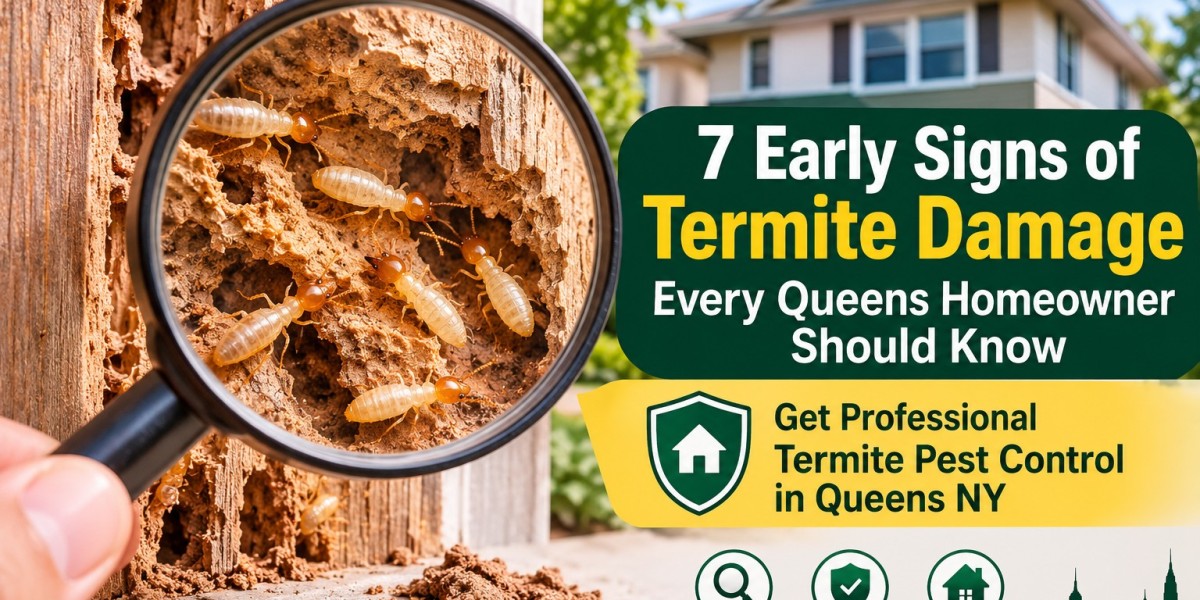

Introduction
Termites are among the most destructive pests that homeowners can encounter. These insects feed on cellulose found in wood, making residential structures, wooden furniture, flooring, and other building materials potential targets. Unfortunately, termite activity often remains unnoticed until visible damage appears.
For homeowners searching for termite pest control in queens ny, understanding the early warning signs can help prevent extensive structural damage and expensive repairs. Whether you own a single-family home, manage rental properties, or operate a commercial building, recognizing termite activity is an important part of property maintenance.
Queens properties can have different construction styles, moisture conditions, and landscaping features that influence where termites may find suitable environments. Knowing what to look for can help homeowners take action before an infestation becomes more difficult to manage.
1. Mud Tubes Along Walls and Foundations
One of the most recognizable signs of subterranean termite activity is the appearance of mud tubes.
These narrow, soil-like tunnels are usually found along:
Exterior foundation walls
Basement walls
Wooden support structures
Crawl spaces
Areas where soil meets building materials
Subterranean termites construct these protective tunnels to travel between their underground colonies and food sources while maintaining the moisture they need to survive.
If you notice unusual mud lines along your foundation, avoid assuming they are harmless dirt deposits. A professional inspection can help determine whether they indicate termite activity.
2. Hollow-Sounding Wooden Structures
Termites consume wood from the inside, often leaving the outer surface looking relatively normal.
As feeding continues, wooden structures may develop hollow spaces that weaken their strength.
Check areas such as:
Wooden door frames
Window frames
Floorboards
Basement support beams
Wooden furniture
Decking and outdoor structures
If wood sounds unusually hollow when tapped or feels weak, it may indicate termite damage. However, moisture and other wood-damaging organisms can create similar symptoms, so proper identification is important.
3. Discarded Wings Near Windows and Doors
Winged termites, also known as swarmers, leave their colonies to reproduce and establish new colonies.
After swarming, they often shed their wings, leaving small, transparent wings around:
Window sills
Door frames
Light fixtures
Basement windows
Other indoor light sources
Finding several similar wings in one area can be a warning sign of nearby termite activity.
It is also important to distinguish termites from flying ants. Termites generally have straight antennae, a broad waist, and two pairs of wings of approximately equal length.
4. Bubbling or Peeling Paint
Unusual paint changes can sometimes indicate moisture-related problems or hidden termite activity.
Termites may damage wood behind painted surfaces, while their activity and associated moisture conditions can contribute to changes in the appearance of walls and finishes.
Watch for:
Bubbling paint
Unusual discoloration
Peeling wall coverings
Soft or weakened drywall
Blister-like areas on wooden surfaces
These symptoms are not exclusive to termites. Water leaks and humidity can produce similar problems, so homeowners should investigate the underlying cause rather than immediately assuming an infestation.
5. Small Holes and Damaged Wooden Surfaces
Small openings in wooden structures may indicate insect activity.
Depending on the termite species, feeding galleries and damaged areas can develop beneath the wood surface.
Inspect wooden furniture, structural beams, door frames, and other accessible wooden materials.
Pay particular attention to areas that have direct contact with soil or remain damp for extended periods.
If you discover unusual holes, weakened wood, or internal galleries, consider arranging a professional inspection to identify the responsible pest.
6. Doors and Windows Becoming Difficult to Open
Have you noticed that your doors or windows suddenly stick or no longer close properly?
Although seasonal expansion, humidity, and foundation movement can cause these problems, termite damage may also contribute.
When termites damage wooden frames or surrounding structural materials, the affected areas can become weakened or distorted.
Look for additional warning signs, including:
Uneven wooden frames
Soft sections around doorways
Cracked or bubbling paint
Visible mud tubes
Unusual damage near wooden supports
A professional assessment can help determine whether termites are responsible.
7. Visible Structural Wood Damage
Advanced termite activity can weaken important wooden components of a building.
Commonly affected areas include:
Floor joists
Wooden beams
Basement supports
Roof framing
Wall studs
Wooden staircases
In severe cases, damaged wood may lose its ability to support normal structural loads.
Homeowners should never ignore visible structural deterioration. If a support beam or other load-bearing component appears compromised, seek an appropriate building professional as well as a qualified pest inspection.
Why Early Termite Detection Matters
Termites can continue feeding inside wooden structures without producing obvious external signs.
Waiting until damage becomes severe may increase repair costs and create additional maintenance concerns.
Early detection helps homeowners:
Identify termite activity before damage progresses.
Understand which areas of the property are affected.
Select appropriate treatment methods.
Reduce conditions that attract termites.
Protect wooden structures and property value.
The U.S. Environmental Protection Agency recommends monitoring for termite warning signs and addressing conditions such as excess moisture, foundation openings, and wood debris near buildings.
How Can Queens Homeowners Reduce the Risk of Termite Infestations?
Preventive maintenance can make residential properties less attractive to termites.
Consider these practical steps:
| Prevention Method | Why It Matters |
|---|---|
| Repair leaking pipes | Reduces excess moisture |
| Maintain proper drainage | Prevents water accumulation near foundations |
| Store firewood away from buildings | Reduces accessible wood sources |
| Seal foundation openings | Limits potential entry points |
| Maintain gutters and downspouts | Helps direct water away from the structure |
| Inspect wooden structures regularly | Helps identify early damage |
These steps cannot guarantee that termites will never enter a property, but they can reduce several conditions associated with termite activity.
When Should You Contact a Professional Termite Control Company?
Homeowners should consider professional assistance when they discover mud tubes, discarded wings, damaged wooden structures, or repeated signs of insect activity.
A professional inspection generally involves examining accessible structural wood, foundation areas, moisture-prone locations, and other potential termite entry points.
Treatment options may include liquid termiticides, baiting systems, or targeted treatments, depending on the termite species, infestation location, and property conditions.
For homeowners researching termite pest control in queens ny, selecting a qualified pest management professional is an important step. Ask about inspection procedures, treatment recommendations, safety precautions, and follow-up monitoring.
Conclusion
Termites can cause significant damage to residential and commercial properties when infestations remain undetected. Mud tubes, discarded wings, hollow wood, damaged frames, and unusual surface changes are all potential warning signs homeowners should recognize.
Regular property inspections, moisture management, and appropriate preventive maintenance can help reduce termite risks.
If you suspect termite activity, do not rely on visual observations alone. Arrange a professional inspection to identify the problem and determine the most suitable treatment approach.
Frequently Asked Questions
1. What is the first sign of a termite infestation?
Mud tubes, discarded wings, and hollow-sounding wood are common warning signs of termite activity.
2. Can termites damage a house without being visible?
Yes. Termites frequently feed inside wooden structures, meaning damage can develop before obvious external signs appear.
3. How often should a home be inspected for termites?
Inspection frequency depends on the property's condition, history, and risk factors. A qualified pest professional can recommend an appropriate schedule.
4. Are mud tubes always a sign of active termites?
Not necessarily. Mud tubes may indicate previous activity, so a professional should determine whether termites are currently present.
5. What attracts termites to residential properties?
Moisture, accessible cellulose materials, wood-to-soil contact, and favorable shelter conditions can make properties more attractive to termites.
6. Can homeowners treat termites themselves?
Homeowners can improve prevention through maintenance, but established infestations often require professional identification and appropriately selected treatment methods.