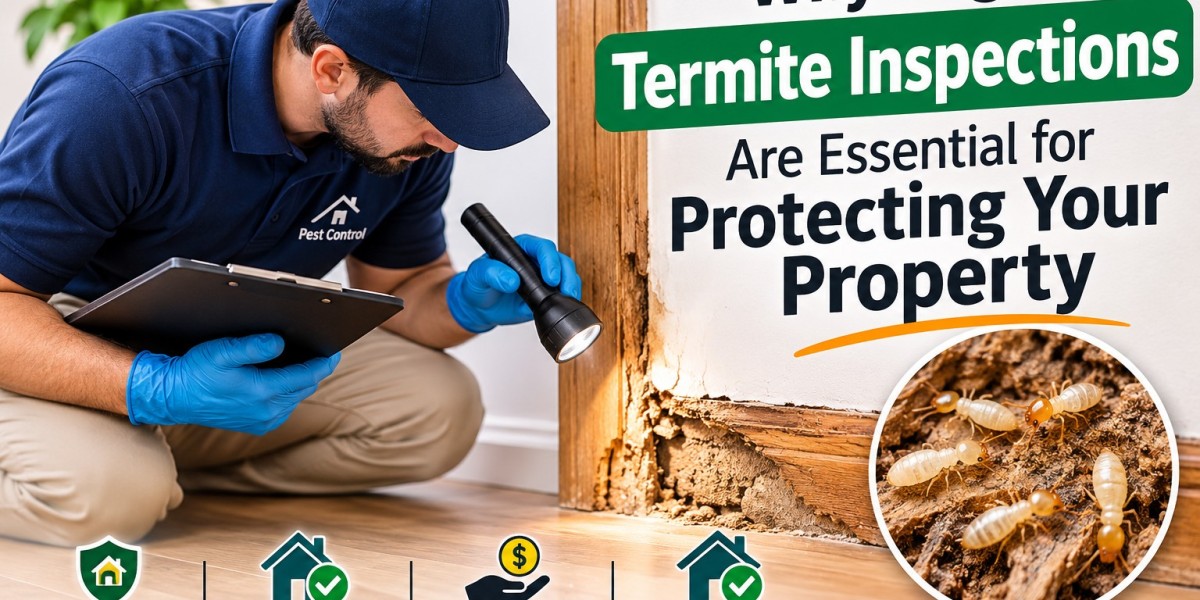

Termites are among the most damaging pests affecting residential and commercial properties. Unlike many common household pests, they can remain hidden inside walls, wooden floors, foundations, and structural components for months before their presence becomes noticeable. By the time visible damage appears, the infestation may already have affected important parts of a building.
A professional termite control service helps property owners identify early warning signs, assess potential risks, and take appropriate preventive measures. Regular inspections are particularly important because termites can enter through small cracks, damp areas, and direct contact between soil and wood. Understanding how inspections work and why they matter can help homeowners avoid unexpected repair expenses and maintain their property's long-term condition.
Table of Contents
Understanding Why Termite Inspections Matter
Common Signs of Termite Infestation
What Happens During a Professional Termite Inspection?
How Often Should You Schedule an Inspection?
Benefits of Regular Termite Inspections
Practical Ways to Prevent Termite Infestations
When Should You Contact a Termite Control Professional?
Frequently Asked Questions
1. Understanding Why Termite Inspections Matter
Termites feed on cellulose, a natural material found in wood, paper, and other plant-based products. This makes wooden furniture, flooring, door frames, roof structures, and building supports potential food sources.
The main concern is that termite activity often develops in concealed locations. Homeowners may not notice anything unusual until wooden surfaces become weak, paint starts bubbling, or small piles of discarded wings appear near windows.
Regular inspections help identify these problems before they develop into more serious structural concerns.
Professional inspections also help determine whether the property has an active infestation, previous termite damage, or environmental conditions that could attract these pests.
2. Common Signs of Termite Infestation
Recognizing early warning signs can help property owners arrange an inspection before significant damage occurs.
Some common indicators include:
Mud Tubes Along Walls and Foundations
Subterranean termites build narrow mud tubes to travel between their underground colonies and food sources. These tunnels may appear along foundation walls, concrete surfaces, or wooden structures.
Hollow-Sounding Wooden Surfaces
Termites consume wood from the inside, sometimes leaving a thin outer layer intact. Tapping wooden furniture, door frames, or flooring may produce an unusually hollow sound.
Discarded Wings Near Windows
Reproductive termites, commonly called swarmers, leave their colonies to establish new ones. After swarming, they often shed their wings, which may collect around windows, doors, and indoor lighting.
Damaged or Bubbling Paint
Uneven paint, blistering, or damaged wooden surfaces may indicate hidden termite activity. However, moisture problems can create similar symptoms, so proper identification is important.
Small Holes and Wood Deterioration
Tiny openings, weakened timber, and unusual damage around wooden structures may indicate termite activity or other wood-destroying insects.
3. What Happens During a Professional Termite Inspection?
A professional inspection involves more than checking visible wooden surfaces. Trained technicians examine areas where termites commonly enter, hide, and establish colonies.
The inspection process generally includes the following steps:
Exterior Property Assessment
The technician examines the building's exterior, including:
Foundation walls and surrounding soil.
Wooden structures near ground level.
Cracks and possible entry points.
Drainage systems and moisture-prone areas.
Outdoor wooden materials and debris.
Interior Inspection
Inside the property, inspectors may examine:
Door and window frames.
Wooden flooring and baseboards.
Basements and crawl spaces.
Attics and accessible roof structures.
Storage areas containing cardboard or wood.
Moisture and Structural Assessment
Excess moisture can create favorable conditions for certain termite species. Inspectors may identify plumbing leaks, poor drainage, damp wood, and other conditions that increase infestation risks.
Inspection Findings and Treatment Recommendations
After completing the assessment, the technician explains the findings and recommends suitable next steps.
Depending on the situation, these may include monitoring, preventive measures, targeted treatment, or a more comprehensive termite management plan.
4. How Often Should You Schedule a Termite Inspection?
Inspection frequency depends on the property's age, construction, location, moisture conditions, and previous termite activity.
For many properties, an annual professional inspection is a useful preventive measure. However, properties with a history of infestation or higher exposure may require more frequent monitoring.
| Property condition | Suggested inspection approach |
|---|---|
| New residential property | Inspection based on construction and risk factors |
| Older wooden buildings | Regular professional inspections |
| Previous termite infestation | Follow-up inspections according to the treatment plan |
| Moisture-prone property | More frequent monitoring |
| Commercial buildings | Scheduled inspections based on property risk |
Property owners should also arrange an inspection when they notice mud tubes, discarded wings, or unexplained wood damage rather than waiting for their next scheduled appointment.
5. Benefits of Regular Termite Inspections
Scheduling inspections is an important part of responsible property maintenance.
Early Detection of Hidden Infestations
Termites are difficult to identify without examining vulnerable areas. Professional inspections help detect activity that may not be visible during everyday cleaning or maintenance.
Reduced Structural Damage
Wooden beams, flooring, support structures, and other building components can deteriorate when termite activity remains untreated. Identifying problems early can help reduce the extent of damage.
Better Property Maintenance
Inspection reports can highlight moisture problems, damaged wooden materials, and potential termite entry points. This information helps owners prioritize repairs and preventive maintenance.
Improved Property Value
A history of termite damage can create concerns during property sales and real estate transactions. Regular inspections and appropriate treatment records can help demonstrate responsible property maintenance.
More Informed Treatment Decisions
Not every termite situation requires the same approach. Inspections help professionals identify the type and extent of the problem before recommending suitable treatment options.
6. Practical Ways to Prevent Termite Infestations
Although professional inspections are important, homeowners can take several practical steps to make their properties less attractive to termites.
Consider the following preventive measures:
Control moisture: Repair leaking pipes, maintain gutters, and improve drainage around the building.
Remove wood-to-soil contact: Avoid allowing wooden structures to sit directly against the ground.
Store firewood properly: Keep firewood and unused lumber away from exterior walls and elevated from the soil.
Seal potential entry points: Repair suitable cracks and openings around foundations and utility connections.
Maintain outdoor spaces: Remove dead branches, tree stumps, and unnecessary wooden debris.
Inspect wooden structures: Pay attention to decks, fences, sheds, and other outdoor wooden features.
Improve ventilation: Keep suitable ventilation openings clear to reduce moisture accumulation.
These practices can reduce conditions that support termite activity, although they cannot guarantee complete protection against infestations.
7. When Should You Contact a Termite Control Professional?
Some termite problems are difficult to identify and manage without specialist knowledge. Homeowners should seek professional assistance when they notice:
Mud tubes around foundations or walls.
Repeated termite swarms inside the building.
Hollow or deteriorating wooden structures.
Signs of activity in multiple rooms.
Previous termite treatments that require follow-up monitoring.
A qualified technician can identify the pest, evaluate the affected areas, and recommend an appropriate treatment strategy.
Depending on the termite species and property conditions, possible solutions may include liquid soil treatments, baiting systems, and targeted applications.
For property owners seeking professional assistance, termite control service options can help address suspected infestations through inspection, treatment recommendations, and preventive guidance.
The most suitable approach should always depend on the inspection findings, building conditions, and applicable product instructions.
Frequently Asked Questions
1. Why are regular termite inspections important?
Regular inspections help identify termite activity, hidden damage, and favorable infestation conditions before they become more serious property problems.
2. What are the first signs of termites in a house?
Common signs include mud tubes, hollow-sounding wood, discarded wings, damaged timber, and unusual deterioration around wooden structures.
3. Can termites damage a property without being visible?
Yes. Termites often remain inside wood, walls, or underground areas, making infestations difficult to identify without a thorough inspection.
4. How often should a property be inspected for termites?
An annual inspection is a useful preventive approach for many properties. However, inspection frequency should depend on local risks, building conditions, and previous infestation history.
5. Can homeowners prevent termite infestations?
Homeowners can reduce risks by controlling moisture, removing wood debris, maintaining drainage, and avoiding direct contact between soil and wooden structures. Professional monitoring may also be necessary.
Conclusion
Termite infestations can threaten the condition, safety, and value of residential and commercial properties. Because these pests often remain hidden, waiting until visible damage appears can lead to more complicated repair and treatment requirements.
Regular inspections, proper moisture management, and timely professional assistance are essential parts of an effective termite prevention strategy. By identifying potential problems early and maintaining vulnerable areas, property owners can make better decisions about protecting their buildings for the long term.