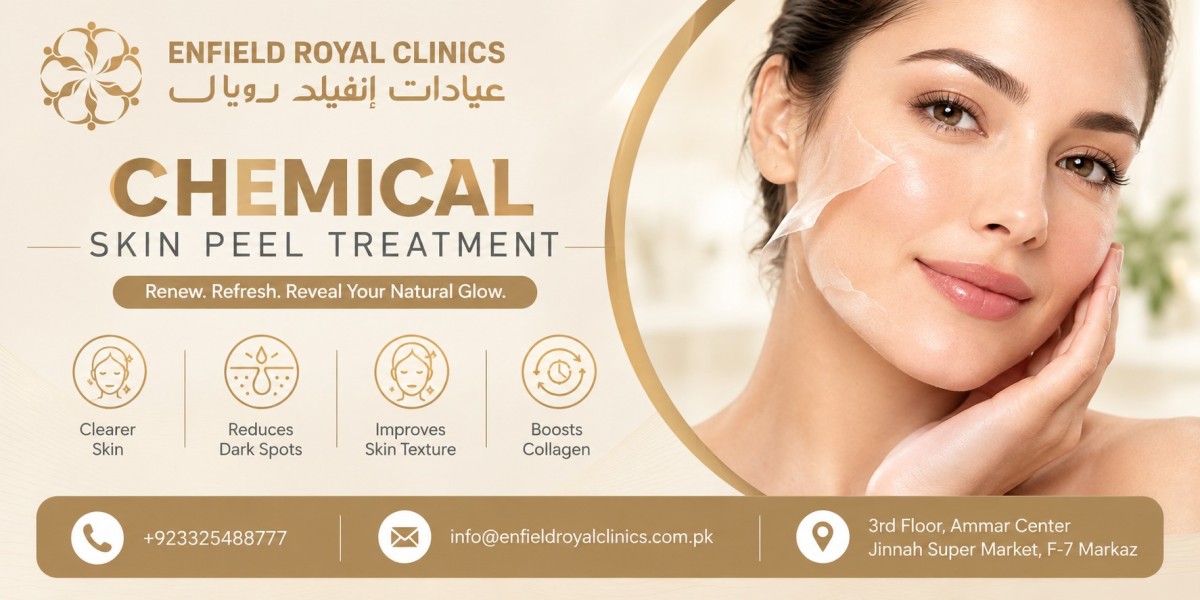

Healthy, glowing skin is something many people want, regardless of age or gender. However, everyday factors such as sun exposure, pollution, excess oil, dead skin cells, and ageing can affect the skin's appearance. These concerns may lead to acne, uneven skin tone, pigmentation, rough texture, and fine lines. While a regular skincare routine can help maintain skin health, some people look for professional treatments to address concerns that are difficult to manage at home.
Chemical peels are popular skin treatments that help exfoliate the outer layers of the skin and encourage natural skin renewal. They are used by both men and women to improve different skin concerns. People considering Chemical peel treatment in Islamabad often want to know whether the procedure is equally suitable for both genders and whether the treatment needs to be different for men and women.
The good news is that chemical peels are not limited to one gender. Suitability depends more on skin type, sensitivity, medical history, and individual skincare goals than on whether someone is male or female.
1. Why Is Chemical Peel Treatment Suitable for Both Men and Women?
Chemical peels work by applying a specially selected solution to the skin. The ingredients loosen the bonds between dead skin cells, helping the outer layer shed and revealing fresher-looking skin underneath. Depending on the formulation and strength, a peel may also help improve clogged pores, uneven pigmentation, acne marks, and fine lines.
Both men and women experience many of the same skin concerns. For example, excess oil can contribute to blocked pores, while sun exposure may cause dark spots and uneven skin tone. Ageing can also lead to rough texture and fine lines in people of all genders.
Chemical peel treatment may help address concerns such as:
Dull and tired-looking skin.
Blackheads and whiteheads.
Mild to moderate acne.
Uneven skin tone and superficial pigmentation.
Rough or uneven skin texture.
Some fine lines caused by ageing and sun exposure.
Certain post-acne marks.
The treatment can be adjusted according to individual needs. A person with oily, acne-prone skin may require a different peel from someone with dry, sensitive skin or sun-related pigmentation.
2. What Skin Benefits Can Men Experience from Chemical Peels?
Men can experience several skin concerns due to natural oil production, shaving habits, outdoor activities, and environmental exposure. Although every individual's skin is different, some men have thicker skin and produce more sebum than women on average. This can contribute to oily skin and clogged pores.
Chemical peels may be considered for men who want to improve the appearance of their skin without undergoing an invasive procedure.
Managing Oily Skin and Clogged Pores
Excess oil can mix with dead skin cells and block pores, resulting in blackheads and whiteheads. Certain chemical peels, especially those containing salicylic acid, can help exfoliate inside oil-prone pores and improve their appearance.
Improving Shaving-Related Skin Concerns
Frequent shaving can sometimes cause irritation, ingrown hairs, and rough texture. In selected cases, professional exfoliation may help improve the appearance of clogged follicles and uneven skin. However, a chemical peel should not be performed over freshly irritated or damaged skin.
Reducing the Appearance of Sun Damage
Men who spend considerable time outdoors may develop tanning, dark spots, and uneven pigmentation. Suitable chemical peels may gradually improve superficial discoloration when combined with consistent sun protection.
3. How Can Women Benefit from Chemical Peel Treatment?
Women may consider chemical peels for several reasons, including acne, pigmentation, dullness, uneven texture, and visible signs of ageing. Hormonal changes can also influence oil production and acne development, making some women more likely to experience recurring breakouts during particular stages of life.
A professionally selected peel may support different skincare goals.
Improving Acne and Acne Marks
Chemical peels containing salicylic or glycolic acid may help remove dead skin cells, reduce clogged pores, and improve certain types of acne. Some formulations can also help fade superficial marks left behind after breakouts.
Addressing Uneven Skin Tone
Sun exposure and hormonal factors can contribute to pigmentation and dark patches. Selected peels may help improve superficial discoloration, although conditions such as melasma often require a broader treatment plan and careful sun protection.
Supporting Smoother-Looking Skin
Exfoliation helps remove accumulated dead skin cells that can make the complexion appear rough or dull. Over time, an appropriate treatment plan may improve skin texture and give the face a fresher appearance.
Chemical peels can also be considered by women who want to address early signs of ageing. However, deeper wrinkles and significant skin laxity generally require different treatment approaches.
4. Which Types of Chemical Peels Are Available for Men and Women?
The best chemical peel depends on the skin concern rather than gender. Different acids provide different exfoliating effects, and their concentration determines how deeply they work.
Salicylic Acid Peels
Salicylic acid is commonly used for oily and acne-prone skin. It is oil-soluble, allowing it to penetrate into pores and help remove accumulated oil and dead skin cells. It may be useful for blackheads, whiteheads, and some inflammatory acne.
Glycolic Acid Peels
Glycolic acid is an alpha-hydroxy acid that exfoliates the skin's surface. It may help improve dullness, rough texture, superficial pigmentation, and some fine lines.
Lactic Acid Peels
Lactic acid provides relatively gentle exfoliation and may be considered for individuals who need a milder approach. It can help improve surface texture while supporting hydration.
Mandelic Acid Peels
Mandelic acid has a larger molecular structure than glycolic acid, so it generally penetrates more slowly. It may be considered for selected people with sensitive or acne-prone skin.
Superficial peels are generally associated with less downtime, while medium-depth peels require more recovery and carry greater risks. Stronger treatments should only be considered after a detailed professional assessment.
5. Does Chemical Peel Treatment Need to Be Different for Men and Women?
The basic procedure is similar for both genders, but the treatment plan may vary according to individual skin characteristics.
For example, a man with oily skin and frequent ingrown hairs may need a different approach from a woman experiencing hormonal acne or pigmentation. Facial hair and shaving routines can also influence treatment timing and aftercare.
Other factors that may affect the choice of peel include:
Skin type, such as oily, dry, combination, or sensitive.
Skin tone and the risk of pigmentation after irritation.
Presence of active acne or existing acne scars.
History of allergies or reactions to skincare ingredients.
Current medications and skincare products.
Previous cosmetic procedures or chemical peels.
People with darker skin tones may be more prone to post-inflammatory hyperpigmentation after irritation. A conservative approach and suitable peel selection are important to reduce this risk.
Pregnancy, breastfeeding, active skin infections, open wounds, and certain medications may also affect whether a peel is appropriate. Anyone taking prescription acne medication, including isotretinoin, should discuss treatment timing with a qualified healthcare professional.
6. What Should Men and Women Expect During and After Treatment?
A chemical peel usually begins with a skin assessment to identify the individual's concerns and determine the appropriate formulation. The skin is cleansed, and the selected solution is applied for a controlled period. Depending on the product, it may then be neutralized or removed.
During treatment, mild tingling, warmth, or temporary stinging may occur. The experience varies according to the peel's strength and the person's skin sensitivity.
After the procedure, the skin may appear slightly red or feel tight. Some individuals experience mild dryness or flaking over the next few days. Medium-depth peels may involve more noticeable peeling and a longer recovery period.
Proper aftercare is important for both men and women:
Apply broad-spectrum sunscreen with SPF 30 or higher every day.
Use a gentle cleanser and suitable moisturizer.
Avoid picking, rubbing, or pulling away peeling skin.
Pause retinoids and exfoliating products until the skin has recovered, following professional instructions.
Avoid excessive sun exposure and tanning.
Men should avoid shaving irritated or peeling areas until the skin has recovered.
Follow the recommended interval before another peel session.
The number of sessions depends on the skin condition and treatment goals. Some people notice a smoother appearance after one session, while acne, pigmentation, and texture concerns may require a series of treatments.
7. Is Chemical Peel Treatment the Right Choice for Everyone?
Although chemical peels can benefit many people, they are not suitable for every skin condition. Individuals with severe active acne, deep scars, significant skin inflammation, or certain infections may need alternative treatments or additional care.
People with very sensitive skin should be assessed carefully because exfoliating solutions may cause irritation. Those with a history of cold sores around the mouth should also mention it before treatment, as certain facial procedures may trigger an outbreak.
For anyone considering Chemical peel treatment in Islamabad, a professional skin assessment is the best starting point. It helps determine whether a chemical peel is appropriate, which ingredients may be suitable, and how to reduce possible side effects.
The most effective approach is one that considers the individual's skin rather than following a gender-based treatment choice. With suitable peel selection, realistic expectations, and proper aftercare, both men and women may achieve healthier-looking and smoother skin.
Frequently Asked Questions (FAQs)
1. Is chemical peel treatment suitable for both men and women?
Yes. Chemical peels can be suitable for both men and women. The treatment is selected according to skin type, sensitivity, medical history, and individual concerns rather than gender.
2. Can men get chemical peels if they have facial hair?
Yes, facial hair does not automatically prevent someone from having a chemical peel. However, shaving should be managed carefully, and treatment should not be performed over freshly irritated or damaged skin.
3. Can chemical peels help women with hormonal acne?
Certain chemical peels may help manage clogged pores and some acne symptoms. However, hormonal acne may require additional treatments because exfoliation alone does not address its underlying hormonal causes.
4. How many chemical peel sessions are needed?
The number of sessions varies depending on the skin condition, peel type, and desired results. Some people notice improvements after one session, while others need multiple treatments.
5. Are chemical peels safe for sensitive skin?
Some mild formulations may be suitable for selected individuals with sensitive skin. However, professional assessment is important because certain ingredients and concentrations can cause irritation.
6. Do men and women need different aftercare after a chemical peel?
Most aftercare instructions are similar. Both should use gentle skincare, avoid excessive sun exposure, and apply sunscreen. Men may also need to adjust shaving habits until the treated skin has recovered.