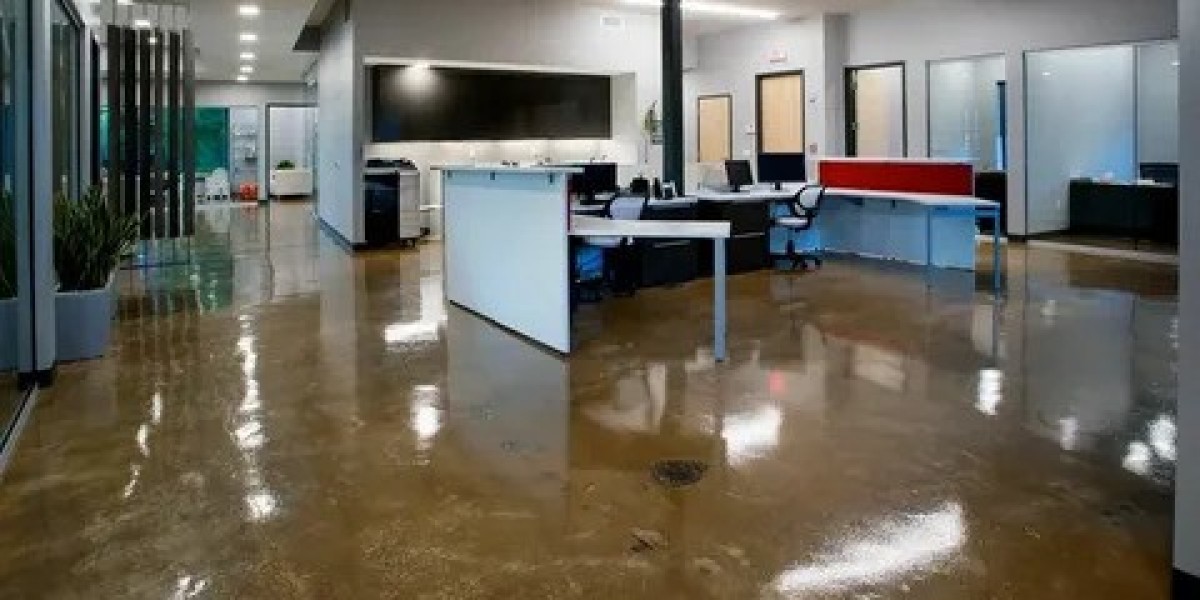

Commercial and industrial buildings need floors that can handle heavy equipment, regular foot traffic, spills, and daily cleaning. Warehouses, factories, retail stores, and other business spaces often experience floor damage because of constant activity. Choosing the right surface can help protect the concrete and make maintenance easier. Commercial epoxy flooring is a popular option because it creates a strong, smooth surface that can improve both floor protection and appearance. With proper installation and regular care, it can provide a practical flooring solution for many types of businesses.
Why Commercial Epoxy Flooring Is Important for Businesses
Concrete is widely used in commercial buildings because it is strong and can support heavy loads. However, untreated concrete can still develop cracks, stains, dust, and worn areas. Frequent movement of vehicles, machines, and people can gradually affect its condition.
A suitable epoxy system adds a protective layer over the concrete. This layer can help reduce damage caused by everyday wear and certain spills. It can also make the surface easier to clean because dirt and some liquids are less likely to enter the sealed floor.
A clean and well-maintained floor also improves the overall appearance of a business. Customers, employees, and visitors often notice the condition of a building's floors. A consistent finish can help create a more professional environment while supporting daily operations.
What Is Commercial Epoxy Flooring and How Does It Work?
Epoxy is a resin-based material that is mixed with a hardener before application. Once the two components are combined, a chemical reaction begins. The material is then applied to prepared concrete and allowed to cure into a firm surface.
The coating bonds with the concrete when the slab has been prepared correctly. The finished floor can provide a continuous surface with resistance to selected stains, chemicals, and regular wear. The level of protection depends on the product, thickness, installation process, and conditions inside the facility.
The installation process generally includes inspecting the concrete, removing unwanted materials, preparing the surface, repairing damaged areas, and applying the selected system. The floor must then be given enough time to cure before it is used.
Common Places That Use Epoxy Floor Systems
Different facilities have different flooring requirements. A coating should always be selected according to the activities and conditions of the space.
Warehouses and distribution centers
These buildings often have forklifts, pallet jacks, storage racks, and regular vehicle movement. A suitable floor system can help protect concrete from daily traffic and surface wear.
Manufacturing facilities
Industrial floors may come into contact with oils, machinery, selected chemicals, and heavy equipment. The coating should be chosen according to the materials used and the working conditions.
Food service and healthcare buildings
These spaces often need floors that can be cleaned regularly. The selected system should meet the facility's hygiene, cleaning, and safety requirements.
Retail stores and showrooms
Appearance can be especially important in customer-facing spaces. A smooth, consistent finish can make the building look cleaner and more organized.
Key Benefits of Epoxy Floors in Industrial Facilities
One major benefit is surface protection. A properly installed coating can help protect concrete from everyday wear, selected chemical spills, and common stains. This can be useful in facilities where floors experience constant activity.
Another advantage is easier cleaning. Untreated concrete can collect dust and absorb certain liquids. A sealed surface can make routine cleaning more manageable and help maintain a cleaner work environment.
Many businesses choose epoxy coating services because they can select from different colors, finishes, and system designs. Some options include decorative flakes, solid colors, and coatings designed for specific workplace conditions. The right choice depends on the facility's purpose and expected floor traffic.
A coated floor can also support better workplace organization. Different colors may be used to distinguish walkways, storage sections, and work areas when combined with suitable floor markings. These markings should always follow the building's safety requirements.
Why Concrete Preparation Matters Before Installation
Proper preparation is one of the most important steps in any coating project. Even a high-quality product may not perform well if it is applied over dust, grease, loose concrete, or old materials. Poor preparation can lead to peeling, bubbling, and weak bonding.
The process usually begins with a detailed inspection. Contractors check the floor for cracks, stains, uneven areas, old coatings, and other damage. These problems may need to be repaired before the new system is installed.
Mechanical preparation methods such as concrete grinding and shot blasting can remove unwanted materials and create the surface profile needed for proper bonding. The method depends on the existing floor condition and the requirements of the selected coating.
Moisture testing is also important. Excess moisture moving through the concrete can affect adhesion and may cause coating problems later. If moisture levels are too high, additional treatment may be required before application.
A properly prepared surface gives concrete epoxy coating a better foundation and helps reduce the risk of early failure. Contractors should follow the coating manufacturer's instructions for surface profile, cleanliness, moisture limits, and application conditions.
How to Select the Right Epoxy System
Choosing a floor system requires an understanding of how the building is used. A warehouse with heavy machinery may need a different solution from an office, retail store, or workshop.
Start by considering the amount of daily traffic. Think about the weight of equipment, the number of workers, and how often vehicles move across the floor. These details help determine the type and thickness of the system.
Chemical exposure should also be reviewed. Some facilities use oils, cleaning products, or industrial materials that may affect certain coatings. Check the product specifications to make sure the selected system is suitable for the substances present.
The condition of the existing concrete is another important factor. Cracks, uneven areas, previous coatings, and moisture problems can affect the installation plan. A professional inspection can help identify these issues before work begins.
When comparing epoxy flooring options, ask about the preparation process, product specifications, curing time, expected maintenance, and suitability for your facility. It is also important to plan the installation schedule so that business operations face as little disruption as possible.
Maintenance Tips for Long-Lasting Floors
Regular care can help preserve the appearance and performance of a coated floor. Dust, sand, and loose dirt should be removed often because these materials can cause surface wear when repeatedly moved under shoes or equipment.
Use cleaning products recommended for the installed system. Avoid harsh chemicals or abrasive tools unless the manufacturer confirms that they are suitable. Spills should be cleaned promptly, especially when they involve substances that may affect the surface.
Heavy equipment should be operated carefully. Suitable wheels and protective pads can help reduce scratches and impact damage. Facility managers should also inspect the floor regularly for chips, cracks, or worn areas.
Different epoxy coatings have different maintenance requirements. Following the manufacturer's care instructions and addressing small problems early can help keep the floor in good condition.
Frequently Asked Questions
1. What is commercial epoxy flooring used for?
It is used to protect and improve concrete floors in warehouses, factories, workshops, retail stores, and other business facilities. It can provide a smooth surface that is easier to clean and maintain.
2. Is epoxy suitable for heavy warehouse traffic?
Yes. Some systems are designed for busy industrial environments. The selected product should match the expected forklift traffic, equipment loads, and condition of the concrete.
3. How long does an epoxy floor last?
Its lifespan depends on the product, surface preparation, installation quality, traffic levels, and maintenance. A suitable system that is installed correctly can provide years of service.
4. Does concrete need preparation before coating?
Yes. Concrete usually needs cleaning and mechanical preparation before application. Repairs and moisture testing may also be required to support proper bonding.
5. How long does epoxy take to cure?
Curing time depends on the product and installation conditions, including temperature and humidity. Some systems allow light foot traffic before they are ready for heavy equipment. Always follow the manufacturer's instructions.
Conclusion
A well-selected floor system can help businesses protect concrete, improve cleanliness, and maintain a professional working environment. The best results depend on choosing suitable materials, inspecting the existing slab, and completing proper surface preparation before installation. Regular maintenance also helps support long-term floor performance. For commercial and industrial concrete grinding, polishing, and flooring preparation solutions, All West Surface Prep helps businesses prepare their floors for durable coating systems.