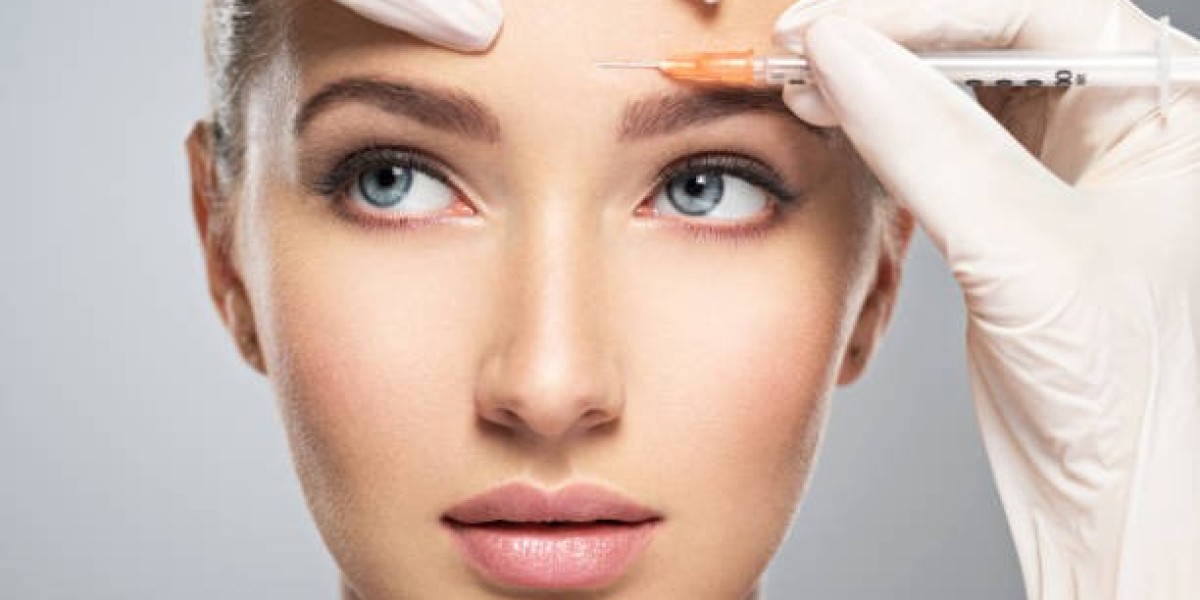
Botox is a widely used non-surgical cosmetic treatment that helps reduce the appearance of expression lines and create a refreshed facial appearance. People considering botox riyadh often want to know which areas can be treated and how the procedure may improve their facial features. Botox works by temporarily relaxing selected muscles that contribute to wrinkles during repeated facial movements, such as smiling, frowning, and raising the eyebrows. Although the forehead and eye area are among the most popular treatment locations, several other facial and neck areas may also benefit from carefully planned injections. Understanding these treatment areas can help patients discuss their concerns and expectations during a professional consultation.
Forehead Lines
Forehead lines are horizontal wrinkles that become visible when a person raises their eyebrows. Repeated muscle contractions can make these lines more noticeable over time, sometimes even when the face is relaxed.
Botox can temporarily reduce activity in the muscles responsible for these movements, helping soften the appearance of forehead wrinkles. The practitioner must use an appropriate dose and injection placement because the forehead muscles also help lift the eyebrows. Excessive relaxation may cause eyebrow heaviness or an unnatural appearance.
Frown Lines Between the Eyebrows
Frown lines, also known as glabellar lines, appear between the eyebrows and can create a tired, serious, or concerned expression. They often develop through repeated frowning, concentrating, and squinting.
Botox is commonly used to relax the muscles that pull the eyebrows inward. By reducing their activity, the treatment can soften vertical lines and create a more relaxed appearance. The injection plan should account for individual muscle strength and facial structure.
Crow's Feet Around the Eyes
Crow's feet are fine lines that extend outward from the corners of the eyes. They usually become noticeable when smiling or squinting and may become more prominent with natural aging.
Small amounts of Botox can relax the muscles responsible for these expression lines. This may make the skin around the eyes appear smoother while preserving a natural-looking smile. Because the eye area is delicate, precise injection placement is particularly important.
Bunny Lines on the Nose
Bunny lines are small wrinkles that appear along the sides or upper bridge of the nose when a person scrunches their nose. Although they may be subtle, some individuals notice them more clearly during facial expressions.
In selected cases, Botox can reduce the muscle activity responsible for these lines. Treatment usually involves small amounts of product and should be performed carefully to avoid affecting nearby muscles involved in normal facial movement.
Lip Lines and the Upper Lip
Fine vertical lines can develop around the mouth due to repeated lip movements, aging, and other factors. Botox may be considered for certain patients who want to soften these lines or make a subtle change to their upper lip appearance.
A treatment known as a lip flip involves carefully placed injections that temporarily relax part of the muscle surrounding the upper lip. This may allow the lip to roll slightly outward, creating a subtle enhancement without adding volume. Botox does not replace dermal fillers, which are designed to restore or add volume. Treatment around the mouth requires conservative dosing because excessive relaxation can affect speaking, drinking, and smiling.
Chin Dimpling and Wrinkles
Some people develop small dimples or an uneven texture on the chin when the mentalis muscle contracts. This appearance is sometimes described as an orange-peel chin.
Botox may help soften chin dimpling by temporarily reducing activity in this muscle. The aim is to create a smoother-looking chin while maintaining natural facial movement. A professional assessment helps determine whether this treatment is appropriate.
Jawline and Masseter Muscles
The masseter muscles are located on either side of the jaw and help with chewing. When these muscles are particularly prominent, they may contribute to a wider or more squared facial appearance.
Botox injections into the masseter muscles can reduce their activity and may gradually decrease muscle bulk. Some patients also consider this treatment for symptoms associated with jaw clenching or teeth grinding. However, it does not remove fat or change the underlying bone structure. A qualified practitioner should discuss potential effects on chewing and facial balance before treatment.
Neck Bands
Vertical neck bands can become more noticeable when the platysma muscles contract. These bands may contribute to visible lines and changes in the appearance of the neck.
In selected patients, Botox can temporarily relax parts of the platysma muscle and soften the appearance of prominent bands. It is not designed to correct significant loose skin or excess tissue. Treatment requires particular care because nearby muscles play important roles in swallowing and other functions.
How to Choose the Right Botox Treatment Areas
Not everyone needs treatment in every area. The most suitable locations depend on facial anatomy, muscle activity, skin condition, medical history, and personal aesthetic goals.
During a consultation, a qualified healthcare professional should:
Examine facial movements both at rest and during expressions.
Identify the muscles contributing to the patient's concerns.
Discuss realistic results and possible limitations.
Explain potential side effects and alternative treatments.
Recommend appropriate injection locations and conservative dosing.
Patients should also disclose previous cosmetic procedures, allergies, medical conditions, and current medications before receiving injections.
What Happens After Botox Treatment?
Botox injections are usually performed during a short outpatient appointment. A practitioner uses fine needles to administer small amounts of product into the selected muscles. Most patients can resume their normal daily activities shortly afterward, although they should follow the aftercare instructions provided by their healthcare professional.
Mild redness, swelling, tenderness, or bruising may occur around the injection sites. Results generally begin to appear within a few days, with the full effect developing over approximately one to two weeks. Benefits are temporary and commonly last around three to four months, although the duration varies between individuals and treatment areas.
Patients should contact their healthcare provider if they experience unexpected or persistent symptoms. Difficulty breathing, swallowing, or speaking, or significant muscle weakness requires urgent medical attention.
Conclusion
Botox can address several facial and neck concerns, including forehead lines, frown lines, crow's feet, bunny lines, chin dimpling, and selected jawline and neck concerns. Choosing the right treatment areas requires an understanding of facial anatomy and an individualized assessment. If you are exploring Botox Injections in Riyadh, a consultation can help determine which areas may benefit from treatment and explain the expected results, precautions, and possible risks. The experienced team at Royal Clinic Saudia can help patients understand available aesthetic options and develop a personalized approach to facial rejuvenation.