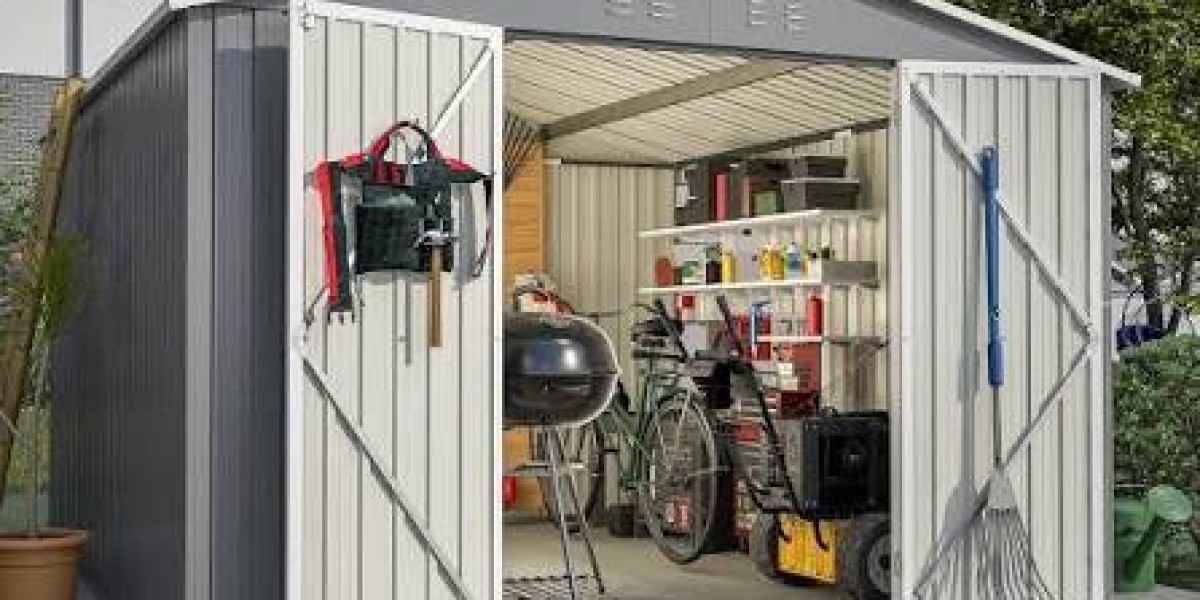

Transportable shade structures are becoming an increasingly popular solution for homeowners, businesses, farmers, event organisers and outdoor workers who need reliable protection from the sun and changing weather conditions. Designed for flexibility and convenience, transportable shade provides a practical way to create comfortable covered spaces without the permanent installation requirements of traditional buildings.
Whether you need shade for vehicles, outdoor equipment, livestock, recreational areas or temporary workspaces, a transportable shade structure offers versatility, affordability and convenience. With different sizes, materials and designs available, it is possible to find a solution that suits almost any outdoor application.
What Is Transportable Shade?
Transportable shade refers to a portable or relocatable shelter designed to provide protection from direct sunlight, heat and selected weather conditions. Unlike permanent structures, these shelters can be dismantled, relocated or repositioned when requirements change.
Most transportable shade structures feature a strong supporting frame, durable shade fabric or metal roofing, and a practical design that allows relatively straightforward installation. Depending on the intended use, they may be open-sided, partially enclosed or designed with additional weather protection.
They are commonly used in residential properties, commercial facilities, agricultural environments, construction sites, sporting venues and outdoor events.
Benefits of Transportable Shade Structures
1. Easy Relocation and Flexibility
One of the biggest advantages of transportable shade is its ability to move between locations. Businesses can relocate shelters as operational requirements change, while homeowners can reposition outdoor shade to suit seasonal needs.
This flexibility makes transportable structures particularly useful for temporary projects, changing work environments and properties where permanent construction is not practical.
2. Protection from Sun and Heat
Direct sunlight can make outdoor areas uncomfortable and increase the risk of heat-related damage to vehicles, equipment and stored materials.
Quality shade materials help reduce direct solar exposure and create cooler covered spaces. Depending on the fabric or roofing material, a transportable shade structure can also provide UV protection.
This makes it valuable for vehicle parking, outdoor seating, livestock areas and equipment storage.
3. Cost-Effective Outdoor Coverage
Permanent buildings can require significant investment in foundations, construction and installation. Transportable shade structures can provide a more economical alternative when permanent construction is unnecessary.
Their reusable designs also make them suitable for businesses and organisations that need temporary coverage across multiple sites.
4. Versatile Applications
Transportable shade can serve several purposes, from protecting cars and machinery to creating comfortable outdoor gathering areas. Different designs allow property owners to select the right shelter for their available space and intended application.
5. Convenient Installation
Many portable shade systems are designed for straightforward assembly and dismantling. Depending on their size and construction, they may require basic tools or professional installation.
Proper anchoring and assembly remain essential for safety and structural stability.
Common Applications of Transportable Shade
Vehicle and Caravan Protection
Transportable shade structures are an excellent option for protecting cars, caravans, trailers, boats and recreational vehicles from direct sunlight.
Extended sun exposure can contribute to paint deterioration, interior fading and increased cabin temperatures. A suitable shelter helps minimise these effects while providing convenient covered parking.
Agricultural and Farming Operations
Farmers can use transportable shade for livestock, agricultural machinery, feed storage and outdoor working areas.
Relocatable shade is particularly useful when livestock management or farm operations require different covered areas throughout the year. However, agricultural structures should be appropriately designed for animal welfare, ventilation and local weather conditions.
Construction and Industrial Sites
Construction businesses often need temporary covered areas for workers, tools, machinery and materials.
Transportable shade can help create more comfortable workspaces while reducing direct sunlight exposure. It can also provide a practical shelter for temporary site operations.
Outdoor Events and Recreational Areas
Markets, sporting competitions, festivals, community gatherings and outdoor functions frequently require temporary shade.
Portable shelters offer convenient coverage for visitors, staff, vendors and equipment. Their flexibility makes them suitable for events where permanent structures are unavailable.
Residential Outdoor Spaces
Homeowners can use transportable shade to cover patios, garden seating areas, swimming pool surroundings and outdoor entertainment spaces.
These shelters provide additional usable outdoor space without necessarily requiring extensive permanent construction.
Choosing the Right Transportable Shade Structure
Selecting the right structure involves considering several important factors.
Size and Dimensions: Measure the available installation area and determine how much coverage is required. Consider the height, width and clearance needed for vehicles, machinery or other equipment.
Frame Material: Steel and aluminium are common framing options. Steel generally provides strength and durability, while aluminium offers a lighter-weight alternative. Material selection should reflect the structure's intended application.
Shade Fabric and Roofing: UV-resistant shade cloth is suitable for reducing sunlight exposure while allowing airflow. Metal roofing or specialised waterproof materials may be more appropriate when stronger rain protection is required.
Portability: Consider how frequently the shelter will need to be relocated. A modular or easily dismantled design may be more practical for regular transportation.
Weather Resistance: Evaluate the structure's ability to withstand local wind, rain and sun conditions. Not every portable shade structure is designed for severe weather, so check its engineering specifications and operating limitations.
Anchoring and Stability: Secure anchoring is essential. The installation method should suit the ground conditions and the manufacturer's engineering recommendations.
Transportable Shade vs Permanent Shade Structures
Both transportable and permanent shade structures offer useful outdoor protection, but they serve different requirements.
Permanent structures are generally more suitable for long-term applications where the location and coverage requirements are unlikely to change.
Transportable shade is better suited to temporary installations, relocatable operations and situations where flexibility is important.
The right choice depends on your budget, property layout, intended use and expected duration of installation.
Maintenance Tips for Long-Lasting Performance
Regular maintenance helps preserve the appearance, strength and functionality of transportable shade structures.
Inspect the frame: Check supporting posts, joints, connections and fasteners for signs of damage or corrosion.
Clean the covering: Remove dust, leaves and debris using cleaning methods recommended by the manufacturer.
Check the fabric: Look for tears, loose stitching, fading or weakened attachment points.
Inspect anchoring: Ensure all ground anchors, supports and securing components remain properly installed.
Monitor weather conditions: Follow manufacturer guidance during strong winds, storms and extreme weather. Dismantle or secure the structure when required.
Store correctly: When not in use, clean and dry removable components before storing them in a suitable location.
Why Invest in Quality Transportable Shade?
Choosing a well-designed transportable shade structure is an investment in convenience, flexibility and outdoor protection. A quality system can help protect valuable vehicles and equipment, improve working conditions and create more comfortable outdoor environments.
However, not all portable shelters offer the same performance. Frame strength, covering quality, structural design, anchoring systems and weather ratings should all be considered before purchasing.
Working with an experienced supplier can help you identify a structure that meets your specific requirements and complies with relevant local building and safety regulations.
Frequently Asked Questions
1. What is transportable shade used for?
Transportable shade is used for vehicle protection, agricultural applications, outdoor events, construction sites, recreational spaces and temporary commercial shelters.
2. Can transportable shade structures be moved?
Yes. Many designs can be dismantled and relocated, although portability depends on the structure's size, materials and installation method.
3. Are transportable shade structures waterproof?
Not all structures are waterproof. Shade cloth primarily reduces sunlight exposure, while waterproof roofing materials provide additional rain protection.
4. How long does transportable shade last?
Its lifespan depends on material quality, installation, maintenance and exposure to weather conditions. Regular inspections and proper care can help extend its service life.
5. Do transportable shade structures require professional installation?
Smaller systems may be suitable for straightforward assembly, while larger structures often require professional installation to ensure stability, safety and compliance.
Conclusion
Transportable shade offers a flexible, practical and cost-effective solution for creating protected outdoor spaces. From residential vehicle shelters and agricultural applications to commercial workplaces and outdoor events, these structures provide valuable coverage wherever permanent construction is not the ideal option.
By selecting durable materials, appropriate dimensions and a structurally sound design, you can enjoy reliable outdoor protection while maintaining the flexibility to relocate your shelter when needed. Investing in quality transportable shade is a smart way to improve outdoor usability, protect valuable assets and adapt to changing requirements.