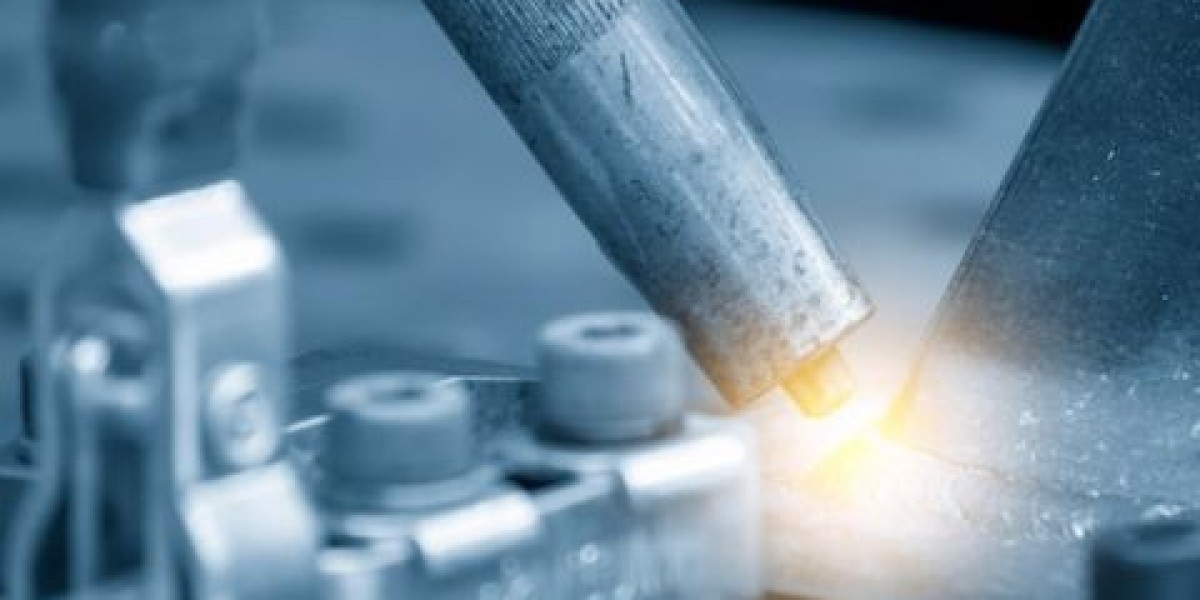

Modern manufacturing industries require advanced welding solutions that deliver precision, speed, and consistent results. A laser welder is an innovative welding solution designed to join metal components using a highly concentrated laser beam. This technology provides excellent welding accuracy, smooth finishes, and reliable performance for a wide range of industrial applications. From automotive manufacturing to electronics, machinery production, and metal fabrication, laser welding has become an important part of modern manufacturing processes.
LaserChina offers advanced laser technology solutions designed to support manufacturers with efficient, accurate, and professional welding performance. By combining modern engineering with advanced laser systems, LaserChina helps businesses improve production quality and achieve excellent welding results across different applications.
What Is a Laser Welder?
A laser welder is a specialized machine that uses concentrated laser energy to heat and join metal materials. The laser beam focuses on a specific welding area, creating the heat required to melt and fuse the materials together. Once the material cools, a strong and precise weld joint is formed.
Unlike conventional welding processes, laser welding offers greater control over the welding area. Its focused energy makes it suitable for applications that require detailed work, narrow weld seams, and high-quality finishes. Depending on the machine configuration, laser welding systems can process materials such as stainless steel, carbon steel, aluminum, copper, and other compatible metals.
Laser welders are available in different configurations, including handheld systems and automated industrial welding equipment. This flexibility allows manufacturers to select equipment according to their production requirements and application needs.
How Does a Laser Welder Work?
The working principle of a laser welder is based on the controlled delivery of concentrated laser energy. The machine generates a laser beam, which travels through an optical system and is directed toward the welding surface through a specialized welding head.
When the laser beam reaches the metal surface, its energy produces localized heating. The material melts within the targeted area, allowing two metal components to fuse together. As the molten metal cools and solidifies, it creates a strong weld joint.
Modern laser welding machines often include adjustable power settings, welding speed controls, and intelligent operating systems. These features allow operators to adjust the welding parameters according to material thickness, metal type, and joint design.
With advanced laser technology from LaserChina, manufacturers can achieve accurate energy control and consistent welding performance for various industrial applications.
Major Advantages of Using a Laser Welder
1. High Welding Precision
One of the most important advantages of a laser welder is its exceptional precision. The concentrated laser beam allows operators to target specific welding areas with excellent accuracy. This makes the technology suitable for manufacturing products with complex structures, small components, and detailed metal joints.
Precise energy delivery also helps create clean weld seams and professional-looking finishes, making laser welding an excellent choice for quality-focused production environments.
2. Fast Welding Performance
Production speed is an important factor for modern manufacturing businesses. Laser welding technology supports high-speed processing, helping manufacturers complete welding operations efficiently.
With suitable machine configurations and optimized parameters, businesses can improve production workflows and increase manufacturing output. This advantage makes laser welders particularly valuable for workshops, industrial factories, and large-scale production facilities.
3. Excellent Welding Quality
A professional laser welder produces smooth, consistent, and visually attractive weld seams. Its controlled heating process helps manufacturers achieve reliable joints across different metal fabrication applications.
High-quality welding is especially important in industries where appearance, structural strength, and product consistency play essential roles. Laser welding technology supports these requirements by providing accurate and repeatable results.
4. Reduced Heat-Affected Area
Laser welding concentrates energy within a relatively small working area. This localized heating helps minimize the heat-affected zone compared with many traditional welding processes.
As a result, manufacturers can work with delicate components and precision metal structures while maintaining better control over the surrounding material. This feature is particularly beneficial for applications involving thin metal sheets and intricate components.
5. Versatile Material Applications
Another major benefit of laser welding is its versatility. Depending on the laser source, machine configuration, and selected parameters, laser welding systems can process different metals, including:
Stainless steel: Suitable for industrial equipment, kitchen products, and metal fabrication.
Carbon steel: Commonly used in machinery, construction components, and manufacturing.
Aluminum: Widely applied in automotive and lightweight structural products.
Copper: Useful for electrical components and specialized industrial applications.
Metal alloys: Suitable for various customized manufacturing requirements.
This material flexibility makes laser welding a valuable solution for businesses serving multiple industrial markets.
Applications of Laser Welder Machines
Automotive Manufacturing
The automotive industry uses laser welding for producing vehicle components, metal structures, battery-related assemblies, and precision parts. Its speed and accuracy support modern manufacturing lines where consistent welding quality is essential.
Electronics Industry
Electronic products often contain small metal components that require accurate joining. Laser welding provides controlled energy delivery, making it suitable for electronic housings, connectors, sensors, and other precision components.
Metal Fabrication
Metal fabrication workshops use laser welders to join stainless steel, carbon steel, aluminum, and other compatible materials. The technology supports the production of cabinets, frames, enclosures, machinery parts, and customized metal products.
Medical Equipment Manufacturing
Medical equipment production frequently requires precise metal processing and clean finishing. Laser welding can support the manufacturing of selected medical instrument components, stainless steel assemblies, and specialized metal products.
Machinery and Industrial Equipment
Industrial machinery manufacturers use laser welding to assemble metal frames, equipment housings, mechanical components, and precision structures. Its consistent welding performance helps support professional manufacturing standards.
Handheld Laser Welder: Flexibility for Modern Workshops
A handheld laser welder is a practical solution for manufacturers looking for flexibility and convenient operation. Its portable welding head allows operators to work on different product shapes, metal structures, and customized components.
Handheld systems are especially useful for small and medium-sized manufacturing businesses, fabrication workshops, and companies handling different welding projects.
Modern handheld laser welding machines commonly feature adjustable welding parameters, user-friendly control interfaces, and integrated cooling systems. Depending on the configuration, they may also support additional functions such as cleaning and cutting.
These capabilities make handheld laser welding an attractive option for businesses seeking to modernize their metalworking operations.
Why Choose LaserChina for Laser Welder Solutions?
LaserChina focuses on advanced laser equipment and industrial laser technology designed to meet the needs of modern manufacturers. Choosing a suitable laser welding machine involves considering laser power, material compatibility, welding thickness, working environment, and production requirements.
LaserChina provides access to professional laser equipment solutions that support different manufacturing applications. Its laser technology product range helps businesses explore equipment options for metal processing, fabrication, and industrial production.
When selecting a laser welder from LaserChina, manufacturers can consider important features such as:
Advanced laser sources: Designed for stable and efficient laser energy output.
Professional welding heads: Support accurate laser beam positioning and convenient operation.
Intelligent control systems: Help operators manage welding parameters according to different applications.
Industrial cooling solutions: Support reliable machine operation during production.
Flexible configurations: Allow businesses to select equipment according to their material and manufacturing requirements.
Application versatility: Support different metal joining projects across multiple industries.
By focusing on modern laser technology and manufacturing requirements, LaserChina helps businesses find suitable solutions for improving their production capabilities.
Important Factors When Selecting a Laser Welder
Choosing the right laser welder is essential for achieving excellent manufacturing results. Businesses should evaluate several technical factors before selecting equipment.
Laser Power: The required laser power depends on the type of metal, material thickness, and desired welding speed. Selecting suitable power helps achieve effective and consistent welding performance.
Material Compatibility: Different metals have different thermal properties. Manufacturers should confirm that the selected machine supports their intended materials.
Welding Thickness: The machine should match the thickness and structure of the components being joined. Proper configuration helps achieve suitable penetration and weld quality.
Cooling System: An efficient cooling system supports stable machine operation and helps maintain consistent performance during extended production periods.
Control Interface: A user-friendly interface allows operators to adjust welding parameters and manage production tasks conveniently.
Technical Support: Professional product guidance and technical assistance can help manufacturers select appropriate equipment and establish effective welding processes.
The Future of Laser Welding Technology
Laser welding continues to play an important role in the development of modern manufacturing. As industries increasingly adopt automation, precision engineering, and advanced production technologies, the demand for efficient welding solutions continues to grow.
Future developments are expected to focus on intelligent control systems, automated welding processes, improved laser sources, and integration with industrial production lines.
Smart manufacturing facilities can combine laser welding equipment with robotic systems to achieve repeatable welding operations and improve production consistency. These advancements create new opportunities for automotive manufacturers, electronics producers, machinery companies, and metal fabrication businesses.
LaserChina remains focused on advanced laser technology solutions that support the evolving requirements of industrial manufacturing.
Final Thoughts: Invest in Advanced Laser Welder Technology
A laser welder is an excellent investment for manufacturers looking to improve welding precision, production efficiency, and finished product quality. Its ability to deliver concentrated laser energy, create smooth weld seams, and process different compatible metals makes it an important solution for modern industrial applications.
From automotive components and electronic products to machinery and customized metal fabrication, laser welding offers valuable advantages for businesses across multiple sectors.
With advanced equipment solutions and a focus on industrial laser technology, LaserChina provides manufacturers with opportunities to explore modern welding equipment suited to their production goals. Choosing the right laser welder can help businesses improve manufacturing processes, achieve consistent results, and strengthen their competitiveness in today's industrial market.