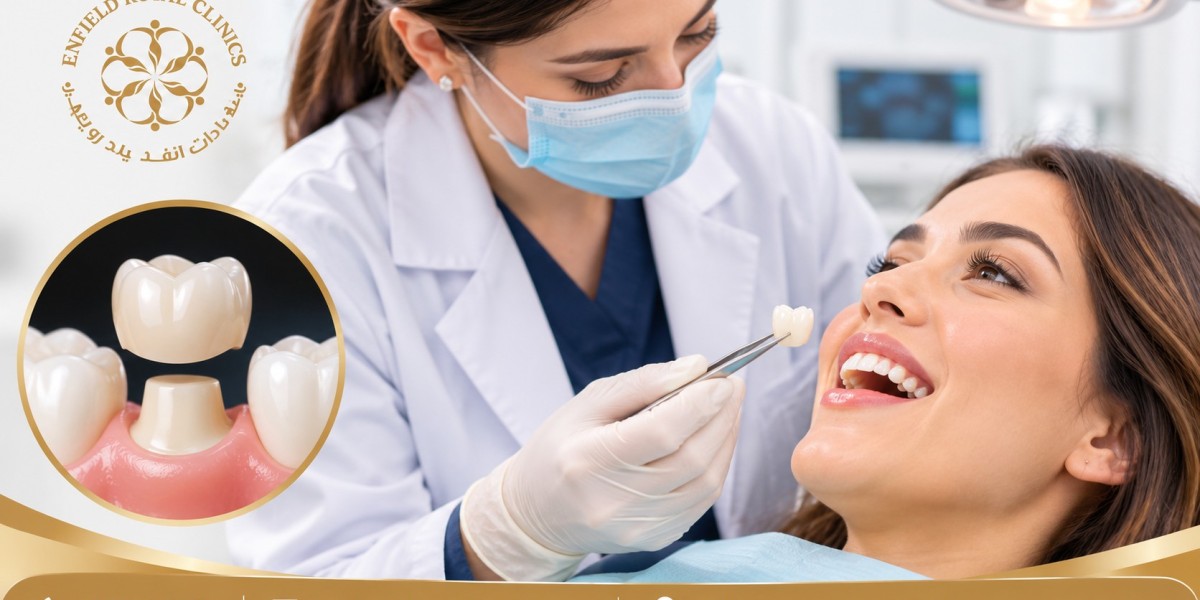

Dental treatment can sometimes make patients feel nervous, especially when a procedure involves repairing or reshaping a damaged tooth. One common concern is whether dental crown treatment is comfortable and what patients may experience during recovery. Understanding the procedure, pain management, and aftercare can help reduce anxiety and make the treatment experience easier.
Dental Crown Treatment in Islamabad is a restorative procedure used to repair weakened, cracked, broken, or severely decayed teeth. A dental crown is a custom-made cap placed over a prepared tooth to restore its shape, strength, and appearance. The procedure is generally well tolerated because local anaesthesia is used during tooth preparation. Although some patients experience temporary sensitivity afterward, suitable treatment planning and proper aftercare can help maintain comfort.
What Is Dental Crown Treatment and Why Is It Needed?
Dental crown treatment involves placing a specially designed covering over most or all of the visible portion of a damaged tooth. It helps restore the tooth's natural shape and provides additional support to the remaining structure.
A dental professional may recommend a crown when a tooth has extensive decay, a large filling, a significant crack, or severe wear. Crowns may also be used after root canal treatment when a substantial amount of natural tooth structure has been lost.
Unlike a regular filling, which repairs a limited area, a crown provides more complete coverage. This helps protect vulnerable portions of the tooth and allows it to handle normal biting and chewing pressure.
Crowns are available in different materials, including porcelain, zirconia, metal, and porcelain-fused-to-metal. The appropriate choice depends on the tooth's location, functional requirements, remaining structure, and the patient's appearance preferences.
Is Dental Crown Treatment Comfortable During the Procedure?
For most patients, dental crown treatment is manageable because local anaesthesia is generally used before tooth preparation. The anaesthetic numbs the affected area and helps prevent pain during the procedure.
During preparation, the tooth is carefully reshaped to create enough space for the crown. Patients may notice pressure, vibration, or sounds from dental instruments, but they should not experience significant pain when the area is properly numb.
Several steps help make the procedure more comfortable:
Local Anaesthesia: Numbing medication helps control pain during tooth preparation. The type and amount depend on the patient's dental condition and medical history.
Careful Tooth Preparation: Removing the required amount of tooth structure carefully helps create an appropriate foundation for the crown.
Communication During Treatment: Patients can inform the dental professional if they experience discomfort or feel anxious. Additional anaesthesia or suitable adjustments may be provided.
Comfortable Positioning: Proper chair positioning and short breaks when appropriate can make longer appointments easier, particularly for patients who experience neck or back discomfort.
Patients with dental anxiety should discuss their concerns before treatment. Understanding each stage can help them feel more relaxed and prepared.
What Discomfort Can Patients Experience After Getting a Dental Crown?
Although the procedure is generally comfortable with local anaesthesia, some patients notice mild symptoms after crown placement. These symptoms are usually temporary as the treated tooth and surrounding gum tissues adjust.
Common experiences include:
Tooth sensitivity: The treated tooth may temporarily react to hot, cold, or sweet foods.
Gum tenderness: The gums around the crown may feel slightly sore after preparation or placement.
Mild chewing discomfort: The restored tooth may feel different when biting during the initial adjustment period.
Temporary pressure sensitivity: Some patients notice mild discomfort when the crowned tooth comes into contact with opposing teeth.
Awareness of the new crown: The crown may initially feel unfamiliar because its shape and surface are different from the previous damaged tooth.
These symptoms generally improve with time. However, persistent or worsening discomfort should not be ignored.
A crown that feels too high during biting may create excessive pressure on the tooth. In this situation, the bite may need professional adjustment. Severe pain, swelling, fever, or prolonged sensitivity requires prompt dental assessment because these symptoms may indicate an underlying problem.
Which Factors Affect Patient Comfort During Dental Crown Treatment?
Every patient has a different dental condition and sensitivity level. Several factors can influence how comfortable the treatment and recovery period feel.
Condition of the Tooth: A tooth with extensive decay, deep cracks, or inflammation may require additional treatment. The underlying problem can affect discomfort before and after crown placement.
Gum Health: Inflamed or sensitive gums may become more uncomfortable during treatment. Any existing gum problems may need attention before the permanent crown is fitted.
Individual Sensitivity: Some patients naturally experience greater tooth sensitivity than others. Their response to preparation and temperature changes may differ.
Crown Fit and Bite Alignment: A crown should fit accurately and meet opposing teeth comfortably. An uneven bite may create pressure and discomfort while chewing.
Previous Dental Treatment: A tooth that has undergone root canal treatment or has a large existing restoration may require a more detailed treatment plan.
Dental Anxiety: Nervousness can make dental sensations feel more uncomfortable. Clear communication and a supportive treatment environment can help patients feel more confident.
For patients considering Dental Crown Treatment in Islamabad, an initial examination helps identify these factors and allows the treatment plan to be adjusted to individual needs.
How Can Patients Make Dental Crown Treatment More Comfortable?
Proper preparation and aftercare can make the overall experience easier. Patients can follow several simple steps before and after treatment to support comfort and protect the restoration.
Before Treatment: Patients should provide a complete medical history and mention any allergies, medications, previous reactions to anaesthesia, or dental anxiety. This information helps with safe treatment planning.
Choose Softer Foods Initially: After crown placement, softer foods may be more comfortable while the tooth adjusts. Very hard, sticky, or chewy foods should be avoided, particularly when a temporary crown is in place.
Maintain Gentle Oral Hygiene: Brushing twice daily with fluoride toothpaste and flossing every day help protect the crowned tooth. Patients should clean carefully around the gumline without avoiding the treated area.
Follow Medication Instructions: Any pain-relief medication should be taken according to professional instructions. Patients should not take additional medication or change prescribed doses without appropriate advice.
Avoid Excessive Pressure: Chewing ice, hard candies, and other extremely hard objects can damage crowns. Patients who grind or clench their teeth may benefit from discussing a custom night guard.
Attend Follow-Up Visits: Regular dental examinations help monitor the crown's fit, bite alignment, and surrounding gum health. Any persistent pain, looseness, or sensitivity should be reported.
Many dental crowns last approximately 5 to 15 years, although some remain functional longer. Their lifespan depends on the crown material, quality of placement, oral hygiene, and daily habits.
What Happens During the Dental Crown Procedure?
Knowing the treatment stages can help patients feel more comfortable because they understand what to expect at each appointment.
1. Initial Examination: The affected tooth and surrounding gums are examined. Dental X-rays may be taken to assess the roots and identify decay or infection.
2. Tooth Preparation: If a crown is suitable, the tooth is reshaped carefully to create enough room for the restoration. Local anaesthesia is generally used to reduce discomfort.
3. Digital Scan or Impression: An impression or digital scan records the shape of the prepared tooth. This information helps create a custom crown that fits properly.
4. Temporary Crown: A temporary crown may be placed to protect the prepared tooth while the permanent restoration is being made.
5. Permanent Crown Placement: Once the final crown is ready, its fit, shape, and bite alignment are checked. Any necessary adjustments are made before it is securely attached.
Traditional treatment often requires two appointments, while suitable digital systems may allow same-day crown placement. The method depends on the patient's dental condition and available technology.
For more information visit Enfield royal clinic in islamabad
Frequently Asked Questions
1. Is dental crown treatment comfortable for most patients?
Yes. Most patients tolerate the procedure well because local anaesthesia is generally used during tooth preparation. Some pressure or vibration may be felt, but significant pain should be controlled.
2. How long does discomfort last after dental crown placement?
Mild sensitivity or gum tenderness may occur temporarily and usually improves as the tooth adjusts. Persistent or worsening pain should be assessed.
3. Does getting a dental crown require injections?
Local anaesthesia is generally administered before tooth preparation to numb the affected area. The need for additional anaesthesia depends on the patient's condition and treatment requirements.
4. Why does a new dental crown sometimes feel uncomfortable?
A new crown may initially feel unfamiliar. Discomfort can also occur if the bite is uneven or the tooth remains sensitive. A dental assessment can identify whether an adjustment is necessary.
5. Can patients eat normally after dental crown treatment?
Most patients can gradually return to normal eating habits after permanent crown placement and once numbness has worn off. Softer foods may be more comfortable initially, while extremely hard foods should be avoided.
6. What should patients do if a dental crown causes persistent pain?
They should arrange a dental examination. The crown's fit, bite alignment, surrounding gums, and underlying tooth may need to be checked.
Conclusion
Dental crown treatment is generally a comfortable and manageable procedure for most patients. Local anaesthesia helps minimise discomfort during tooth preparation, while proper fitting and aftercare support a smoother recovery. Although temporary sensitivity or mild gum tenderness may occur, persistent pain should always be assessed.
Dental Crown Treatment in Islamabad can help patients restore damaged teeth, improve chewing function, and protect weakened tooth structure. A professional dental examination, clear communication, suitable crown selection, and consistent aftercare are important for achieving comfortable and lasting results.