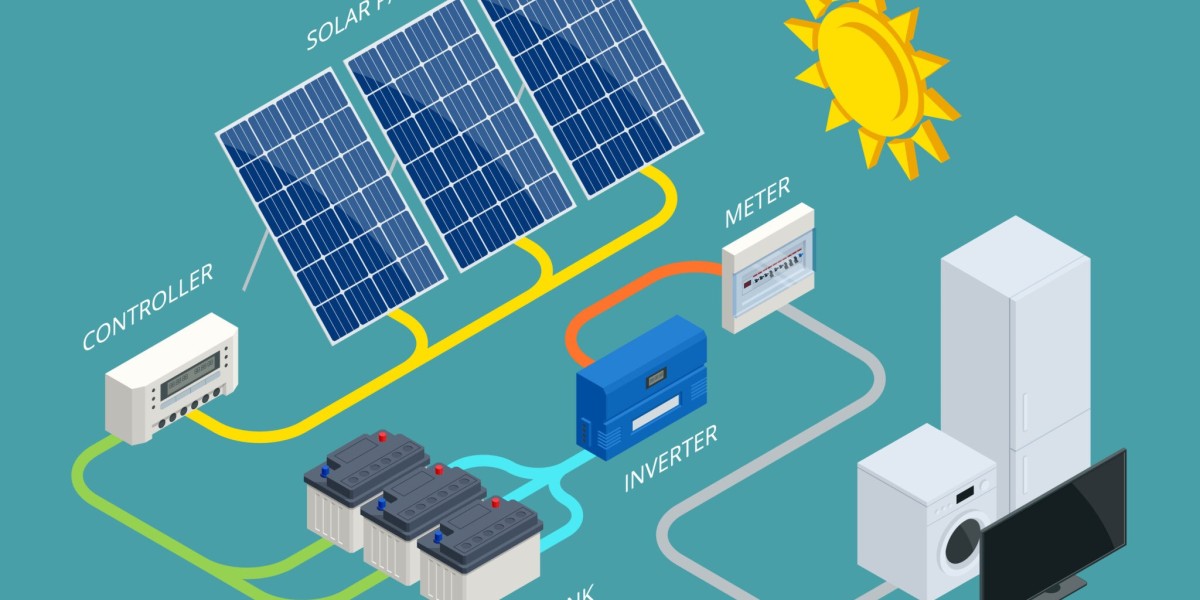

A Solar Battery backup system helps homeowners maintain access to electricity when the grid goes down or solar panels are not generating enough power. Power outages can interrupt daily activities, affect essential appliances and create inconvenience for households. With a solar battery backup system, excess electricity generated by solar panels can be stored and used when electricity from the grid is unavailable, depending on the system's configuration.
Unlike a solar panel system that primarily generates electricity during daylight hours, a solar battery backup system stores energy for later use. This stored electricity can help power selected household appliances, lighting and other essential devices during an outage. By combining solar panels with battery storage, homeowners can make better use of the electricity they generate and have an additional source of power when needed.
How Does a Solar Battery Backup System Work?
A solar battery backup system stores the electricity generated by solar panels and supplies it to your home when needed. The process involves several steps that help manage solar energy throughout the day.
Solar energy generation: Solar panels convert sunlight into electricity during daylight hours.
Electricity consumption: The electricity generated is first used to power appliances and devices operating in the home.
Battery charging: Excess electricity that is not immediately required can be stored in the battery.
Backup power supply: During a grid outage, a compatible system can supply stored electricity to selected household circuits.
Recharging: When sunlight is available, the solar panels can recharge the battery, depending on the system design and operating conditions.
This process allows households to use stored electricity when solar production is limited or the grid is unavailable, provided the system is designed for backup operation.
Benefits of Installing a Solar Battery Backup System
A solar battery backup system can offer several practical advantages for homeowners who want to improve their energy management and prepare for unexpected power interruptions.
1. Power During Electricity Outages
One of the primary advantages of a solar battery backup system is the ability to provide electricity during a grid outage. Depending on the system, homeowners can keep selected appliances, lighting and essential devices running. This can be particularly useful during unexpected power interruptions.
2. Use Solar Energy After Sunset
Solar panels generate electricity during the day, but household energy consumption often continues in the evening. A battery allows excess solar energy generated during the day to be stored and used after sunset, reducing the need to purchase electricity from the grid.
3. Reduce Electricity Bills
Using stored solar energy instead of grid electricity can help reduce electricity costs. Homeowners can use battery power during periods when electricity prices are higher, depending on their electricity tariff and battery settings. Actual savings depend on energy consumption, battery capacity and system performance.
4. Improve Energy Independence
A solar battery backup system gives homeowners greater control over how they use electricity. By storing and using their own solar energy, households can reduce their reliance on grid electricity and manage their energy requirements more effectively.
5. Monitor Energy Usage
Many modern solar battery systems include monitoring applications that allow homeowners to check battery charge levels, solar energy generation and electricity consumption. These features make it easier to understand how the system is performing and when stored energy is being used.
What Should You Consider Before Installing a Solar Battery Backup System?
Before investing in a solar battery backup system, homeowners should consider a few important factors to make sure the installation suits their needs.
Battery capacity: Choose a battery capacity that matches your household electricity consumption and backup requirements.
Essential appliances: Identify which appliances you want to operate during a power outage.
System compatibility: Ensure the battery is compatible with your existing solar panels, inverter and electrical setup.
Backup configuration: Confirm whether the system provides backup power during outages and which circuits it supports.
Installation and safety: Select a suitable installation location and ensure the system is installed by qualified professionals.
Warranty and maintenance: Review battery warranties, monitoring options and maintenance requirements before purchasing.
How Does a Battery Storage System Support Solar Backup?
A Battery storage system plays an important role in making solar energy available when it is needed most. It stores surplus electricity generated by solar panels and allows households to use that energy later, rather than relying entirely on grid electricity.
Battery storage can be used for residential and commercial applications, depending on the system's capacity and design. For homes, it can support everyday electricity consumption and provide backup power for selected appliances during outages. The right battery storage system can help improve solar energy utilisation, manage electricity costs and provide greater flexibility in energy consumption.
Conclusion
A solar battery backup system is a practical option for homeowners looking to store solar energy and maintain access to electricity during certain power outages. By storing excess solar electricity for later use, households can power selected appliances, reduce reliance on grid electricity and make better use of their solar panel systems.
Choosing the right system requires careful consideration of battery capacity, household electricity consumption, backup requirements and installation conditions. With proper planning and a suitable setup, a solar battery backup system can support a more reliable and flexible approach to household energy management.