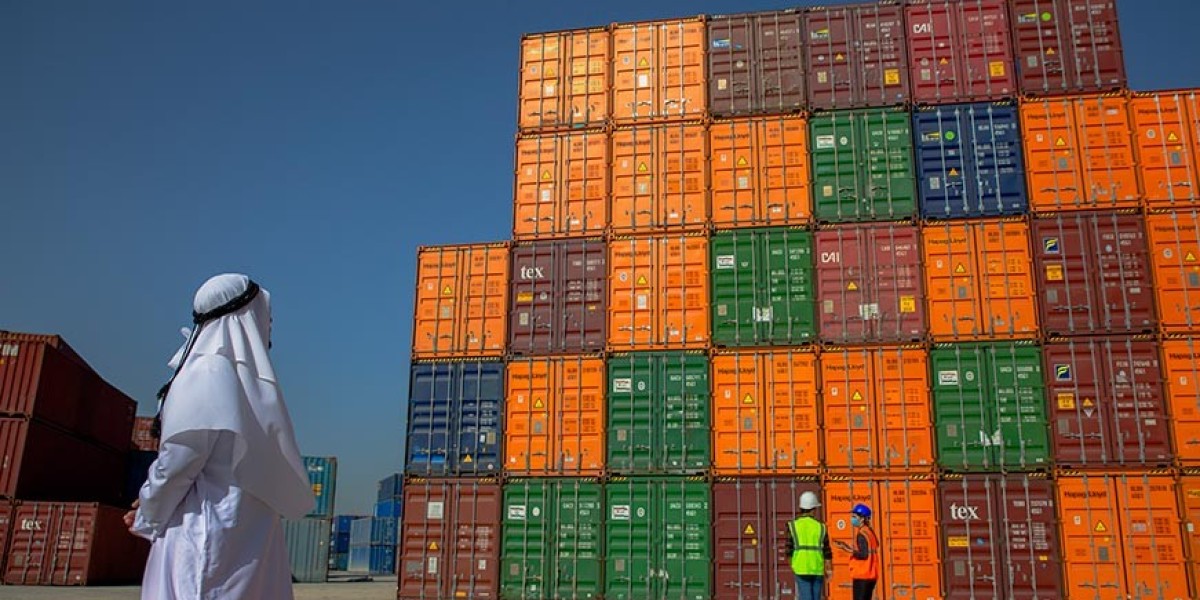

Port operations involve many activities that require specialised machinery and skilled workers. One of the most important activities is lifting and moving cargo between ships, terminals, storage areas and transportation vehicles. These tasks often involve heavy containers, industrial machinery, steel products and oversized equipment.
Choosing the right lifting equipment is essential for safe and efficient cargo handling. Different shipments have different weight, size and handling requirements. Using unsuitable machinery can lead to cargo damage, workplace accidents and unnecessary delays.
Businesses involved in international shipping should understand how lifting equipment works and why proper selection matters. This knowledge helps them plan shipments, manage costs and coordinate with port operators more effectively.
Understanding Lifting Equipment in Port Operations
Lifting equipment refers to machinery and accessories used to raise, lower and move cargo within port facilities. Ports handle different types of shipments, so they require equipment designed for specific operations.
Some equipment is used to transfer containers between ships and terminals. Other machinery handles heavy industrial products, bulk materials and oversized cargo.
The selection depends on several factors, including cargo weight, dimensions, lifting points and available working space. Port operators must also consider the type of vessel, terminal layout and transportation arrangements.
Proper equipment selection makes cargo handling more organised. It also helps reduce unnecessary movement and supports safer working conditions.
Common Types of Lifting Equipment Used at Ports
Ports use different types of machinery to manage cargo handling activities. Each type has a particular purpose and operating capacity.
Ship-to-Shore Cranes
Ship-to-shore cranes are among the most important machines used in container terminals. They transfer shipping containers between vessels and the terminal.
These large cranes operate along the quayside and can handle containers of different sizes. Their design allows operators to load and unload ships efficiently.
Businesses shipping containerised goods benefit from efficient crane operations because they help reduce vessel turnaround time. However, crane capacity, lifting height and container compatibility must be considered during port planning.
Mobile Harbour Cranes
Mobile harbour cranes are flexible machines used for different cargo handling activities. Unlike fixed gantry cranes, they can move around suitable areas of a port.
They are commonly used for general cargo, heavy machinery, project cargo and certain bulk materials. Their lifting capacity depends on the crane model and operating configuration.
These cranes are useful when handling different types of shipments or working at terminals without dedicated fixed lifting equipment.
Reach Stackers
Reach stackers are specialised vehicles used to lift, move and stack shipping containers. They are commonly found in container yards and storage areas.
Their ability to handle containers at different positions makes them useful for terminal operations. They can also help organise container storage and support the movement of cargo between different areas.
Businesses should understand that reach stackers have specific lifting capacities and stacking limitations. Container weight and operating conditions must be checked before use.
Forklifts
Forklifts are used to move palletised goods, packaged materials and certain industrial products. Ports often use different forklift sizes depending on cargo requirements.
Smaller forklifts are suitable for lighter packaged shipments, while heavy-duty models can handle larger industrial loads.
The correct forklift must have sufficient lifting capacity and suitable attachments. Operators should also consider the load's dimensions, lifting height and the condition of the operating surface.
Floating Cranes
Floating cranes are specialised lifting machines installed on floating platforms or vessels. They are useful for operations involving heavy cargo that cannot be handled by ordinary shore-based equipment.
These cranes can support the loading and unloading of large industrial components, offshore equipment and heavy project cargo.
Their use requires detailed planning. Water conditions, vessel stability, lifting capacity and cargo positioning must be assessed before the operation begins.
Selecting Equipment According to Cargo Requirements
Not every lifting machine is suitable for every shipment. Businesses should consider the characteristics of their cargo before confirming handling arrangements.
Cargo weight is one of the first factors to assess. The selected crane or lifting machine must have sufficient capacity for the complete load. The weight of lifting accessories must also be considered where relevant.
Cargo dimensions are equally important. Oversized machinery may require special lifting arrangements because standard equipment cannot always accommodate its shape or size.
The centre of gravity and lifting points should also be identified. These details help determine how the cargo can be lifted without tilting or becoming unstable.
For example, a large industrial generator may require a crane with suitable lifting capacity and specialised slings. A standard container may be handled using a different crane and spreader arrangement.
Accurate cargo information helps port operators prepare the right equipment before the shipment arrives.
Why Lifting Capacity and Safe Working Load Matter
Every lifting machine has a defined lifting capacity. This determines the maximum load it can safely handle under specified operating conditions.
Businesses should never assume that a crane can lift a particular shipment simply because it appears large enough. Actual capacity may change depending on the boom length, lifting radius and equipment configuration.
The Safe Working Load (SWL) is an important consideration when selecting cranes, slings, chains and other lifting accessories.
Using equipment beyond its permitted capacity can cause serious accidents. It may also damage cargo and surrounding infrastructure.
The International Labour Organization's dock work safety requirements emphasise that lifting appliances must have adequate strength, remain in good working condition and not exceed their safe working load.
The Importance of Regular Equipment Inspection
Lifting equipment operates under demanding conditions. Continuous use, heavy loads, environmental exposure and mechanical wear can affect its performance.
Regular inspection helps identify problems before they create serious risks. Cranes, hooks, chains, slings and other accessories should be checked according to suitable inspection schedules.
Operators should look for visible damage, corrosion, cracks and worn components. Hydraulic systems, brakes and safety mechanisms also require appropriate attention.
Equipment that shows signs of damage should not be used until it has been examined and cleared by a competent person.
Maintenance records are also important. They help port operators monitor equipment condition and identify recurring mechanical problems.
The UK Health and Safety Executive highlights the need for planned crane maintenance and attention to safety-critical components in port operations.
Operator Training and Workplace Safety
Even advanced lifting equipment cannot guarantee safe operations without trained operators. Workers must understand how machinery functions and how to handle different types of cargo.
Crane operators need to understand load limits, lifting signals and operational procedures. Workers responsible for attaching slings and other accessories must also receive appropriate training.
Communication between crane operators, signalers and ground personnel is essential. Everyone involved should understand the lifting plan before work begins.
Port facilities should also maintain safe working areas. Unnecessary personnel should stay away from suspended loads and moving machinery.
Proper training reduces operational mistakes and helps workers respond appropriately when unexpected situations arise.
Managing Weather and Environmental Conditions
Weather can have a significant effect on lifting activities at ports. Strong winds, rain, poor visibility and rough sea conditions may affect equipment stability and operator visibility.
Large cranes can be particularly sensitive to high winds because of their size and lifting configuration. Operators must follow the equipment manufacturer's operating limits and relevant port safety procedures.
Rain and moisture may also affect cargo surfaces and lifting accessories. Slippery conditions can increase the risk of accidents during loading and unloading.
Before starting a lifting operation, port teams should review weather conditions and assess whether the planned activity can be completed safely.
If conditions become unsafe, lifting activities should be stopped until the required safety conditions are restored.
How Equipment Selection Affects Port Efficiency
Equipment selection has a direct effect on port productivity. Suitable machinery helps complete loading and unloading activities without unnecessary interruptions.
For example, using an appropriately sized crane can reduce handling time when moving heavy industrial components. Similarly, suitable reach stackers can improve container movement within storage yards.
However, selecting equipment only on the basis of speed is not a good approach. Businesses should also consider safety, availability, maintenance requirements and operational costs.
Poor equipment planning may lead to waiting periods, additional handling charges and missed vessel schedules.
Coordinating equipment arrangements before cargo reaches the port can help reduce these problems.
Planning Lifting Operations for Heavy and Oversized Cargo
Heavy and oversized shipments require more detailed planning than ordinary containerised goods. These operations may involve specialised cranes, lifting beams, spreaders and other accessories.
Before lifting begins, the cargo weight and dimensions should be confirmed. The lifting points must be suitable, and the load distribution should be assessed.
A lifting plan should also identify the equipment required, the working area and the responsibilities of everyone involved.
For non-routine heavy lifts, a competent person should prepare and review the lifting arrangements. The International Labour Organization and port safety guidance emphasise proper planning, equipment inspection and competent personnel for safe cargo handling.
Businesses handling industrial machinery should discuss these requirements with their freight forwarders and port handling teams well before the shipment arrives.
Managing Equipment Costs in Port Operations
Lifting equipment can represent a significant part of port handling expenses. Crane hire, equipment availability, maintenance and additional labour can all affect the total cost of a shipment.
Businesses should consider the type of cargo and the handling requirements before selecting equipment. Choosing machinery that is larger or more specialised than necessary may increase costs without providing additional benefits.
However, selecting equipment based only on the lowest price can create other problems. Unsuitable machinery may increase handling time or expose cargo to unnecessary risks.
A balanced approach considers equipment capacity, availability, safety and overall operational efficiency.
Early coordination with port operators and logistics providers can also help businesses understand expected handling costs before shipping begins.
Working with Experienced Logistics Providers
Port operations involve several parties, including shipping lines, terminal operators, freight forwarders, cargo handlers and transportation companies. Effective coordination between these parties helps ensure that suitable lifting equipment is available when required.
An experienced logistics provider can help businesses understand cargo handling requirements and arrange suitable transportation solutions. This is particularly important for heavy machinery, oversized components and project cargo.
Businesses should share accurate shipment details, including cargo weight, dimensions, packaging information and special handling instructions. This allows the relevant teams to plan equipment requirements more effectively.
Companies arranging international shipments can learn more about logistics and freight forwarding solutions at:
For businesses requiring international shipping coordination, the relevant service information is available here:
https://nobleline.ae/services/freight-forwarding/
Conclusion
Lifting equipment plays an essential role in modern port operations. Cranes, forklifts, reach stackers and floating cranes help move different types of cargo safely and efficiently.
Businesses should understand the importance of equipment capacity, cargo dimensions, operator training and regular maintenance before arranging port handling activities. These factors help reduce operational risks and prevent unnecessary delays.
Proper planning and communication with experienced logistics professionals can make cargo handling more organised. By selecting suitable lifting equipment and following recognised safety practices, businesses can support reliable port operations and smoother international shipments.