
Wood is a valuable material used in furniture, construction, decorative crafts, restoration, and many industrial applications. Over time, wooden surfaces can accumulate paint, dirt, soot, stains, coatings, and other unwanted materials that affect their appearance. Traditional cleaning methods may involve sanding, scraping, or chemical treatments, which can require considerable effort and may affect the original surface.
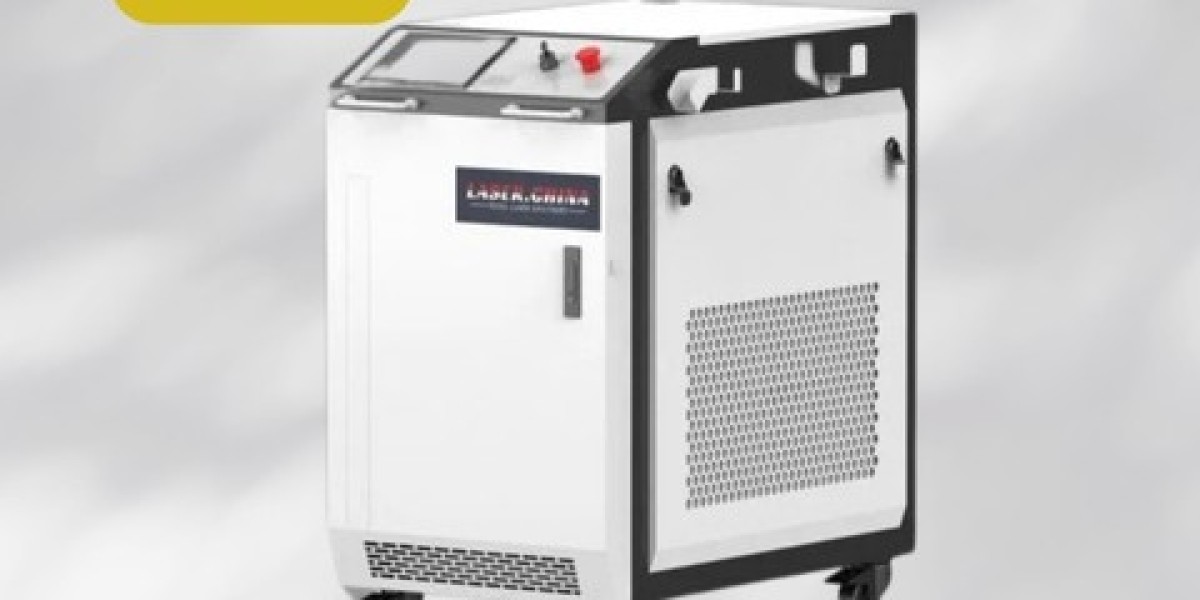
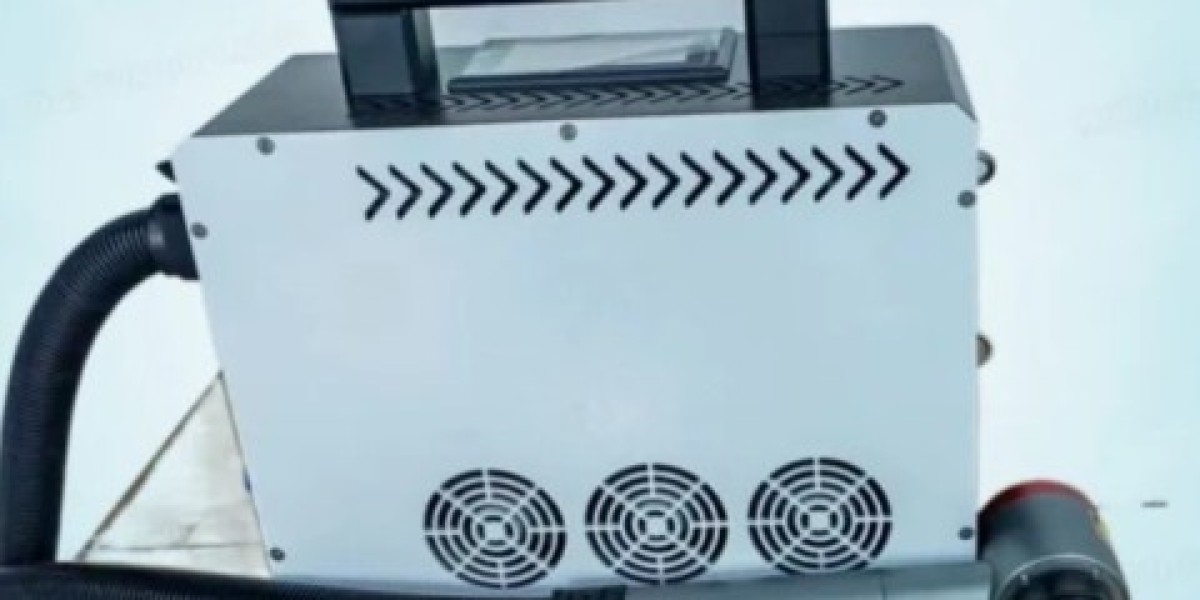
A Wood Laser Cleaner offers a modern approach to cleaning wooden materials through controlled laser energy. This technology allows operators to remove unwanted layers from wood surfaces while working carefully to preserve the underlying material. It is becoming increasingly interesting for woodworking professionals, furniture manufacturers, restoration specialists, and workshops seeking more precise cleaning methods.
How Laser Cleaning Works on Wood
Wood Laser Cleaner uses concentrated light energy to interact with contaminants or unwanted coatings on a surface. When the laser beam is directed toward a selected area, its energy helps break down or remove the targeted material. The cleaning process can be adjusted according to the type of contamination, the wood material, and the desired surface result.
Wood requires special attention because different species have varying densities, grain patterns, moisture levels, and surface characteristics. Therefore, laser parameters must be carefully selected before cleaning begins. Testing on a small area is important to determine suitable settings and avoid scorching, discoloration, or unwanted surface damage.
Applications in Furniture Restoration
Furniture restoration is one of the areas where Wood Laser Cleaner technology can attract considerable interest. Antique furniture, wooden cabinets, chairs, tables, and decorative pieces may contain old coatings, accumulated grime, or surface contamination.
A laser cleaning system can help restoration professionals work on selected areas without relying entirely on aggressive mechanical techniques. This can be useful when dealing with detailed carvings, intricate decorative patterns, and difficult-to-reach sections.
Professionals can explore different laser settings to achieve the desired cleaning result while maintaining the natural character of the wood. Proper evaluation and controlled testing remain essential, particularly when working with valuable or delicate furniture.
Cleaning Wooden Structures and Decorative Materials
Wooden beams, doors, architectural decorations, panels, and other wooden structures can develop surface contamination after years of use. Smoke residue, old finishes, dirt, and environmental deposits may reduce their visual appeal.
A Wood Laser Cleaner may be considered for specialized restoration projects where controlled surface treatment is important. It can help technicians address selected contamination areas while reducing reliance on some conventional cleaning methods.
The technology may also be explored in woodworking workshops, heritage restoration projects, and decorative wood processing. However, the cleaning process must be adapted to the material, especially when the wood is soft, aged, damaged, or uneven.
Choosing the Right Laser Cleaning Equipment
Selecting appropriate laser equipment depends on the intended application, the type of wood, the thickness of unwanted coatings, and the required cleaning speed. Buyers should consider power options, control systems, working modes, portability, operator training, and maintenance requirements.
Before purchasing equipment, it is advisable to request demonstrations on similar wood samples. This helps buyers understand how the machine performs under real working conditions.
Laser safety is equally important. Wood laser cleaning can produce fumes, airborne particles, and fire hazards. Appropriate ventilation, protective equipment, fire prevention measures, and laser safety procedures must be established before operation.
Final Thoughts
Wood restoration and surface treatment continue to evolve as industries explore more precise and controlled technologies. Laser cleaning offers an interesting approach for professionals working with furniture, wooden structures, decorative materials, and restoration projects. With appropriate settings, practical testing, and proper safety procedures, a Wood Laser Cleaner can become a valuable tool for specialized wood surface cleaning applications.