
Laser cleaning technology has become an increasingly popular solution for removing rust, paint, oil, grease, and other unwanted materials from different surfaces. Industries such as automotive manufacturing, metal fabrication, construction, and machinery maintenance use laser cleaning equipment to improve their cleaning processes. Before investing in this technology, understanding the laser cleaning machine price is essential for choosing equipment that matches your business requirements and budget.
What Determines the Price of a Laser Cleaning Machine?
The cost of laser cleaning equipment depends on several factors, including laser power, machine configuration, cleaning requirements, and manufacturer specifications. Different models are designed for different industrial applications, so comparing equipment based only on its initial price may not provide the complete picture.
Laser power is one of the main factors affecting the overall cost. Lower-powered machines are generally suitable for light rust removal, surface preparation, and smaller cleaning tasks. Higher-powered systems are designed for demanding industrial applications where larger areas or thicker contamination require more intensive cleaning.
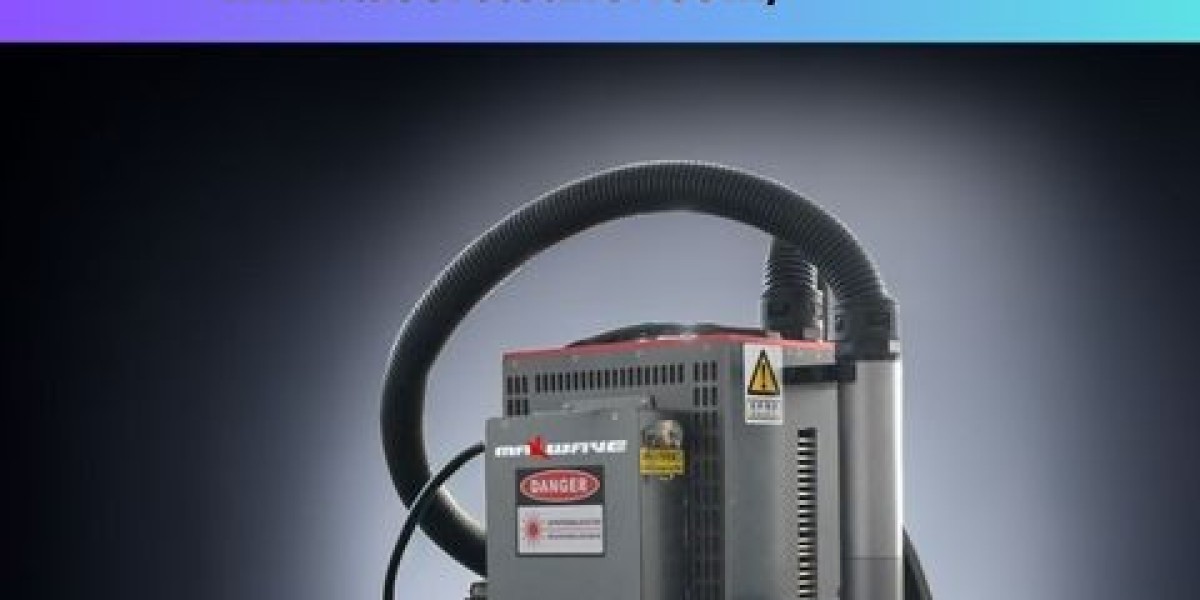
The machine's configuration also influences its price. Portable handheld systems, air-cooled models, and industrial-grade equipment may have different manufacturing costs depending on their design and intended applications.
Different Types of Laser Cleaning Machines
Understanding the available machine types can help buyers identify the right equipment for their operations.
Handheld Laser Cleaning Machines
Handheld laser cleaners are suitable for workshops, maintenance operations, and businesses that need flexibility when cleaning different surfaces. Their portable design allows operators to work on metal components, machinery parts, and other industrial materials.
Continuous Wave Laser Cleaning Machines
Continuous wave systems are designed for applications requiring consistent laser output. They are commonly considered for industrial cleaning operations involving larger surfaces and regular production requirements.
Pulsed Laser Cleaning Machines
Pulsed laser cleaners deliver laser energy in short bursts. They are often selected for applications where controlled cleaning and careful treatment of the underlying material are important.
Industrial Applications and Their Impact on Cost
The intended application plays an important role when evaluating the laser cleaning machine price. For example, a small workshop removing surface rust may not require the same equipment as a manufacturing facility cleaning large metal structures.
In automotive production, laser cleaning can help prepare metal surfaces before welding or coating. In manufacturing facilities, it can be used to remove oxidation, paint residues, and industrial contaminants from components.
Shipbuilding, aerospace, metal fabrication, and restoration businesses may also use laser cleaning technology for specialized surface treatment tasks. Selecting equipment according to the actual workload helps businesses avoid investing in unnecessary capacity.
How to Choose the Right Machine for Your Budget
Before purchasing, buyers should evaluate their cleaning requirements and compare different equipment specifications. Consider the materials being cleaned, the thickness of contaminants, the size of the working area, and the number of operating hours expected each day.
It is also important to review the manufacturer's technical support, warranty coverage, spare parts availability, and operator training options. These factors can influence the long-term operating costs of the equipment.
When comparing the laser cleaning machine price from different suppliers, request a detailed quotation that includes the machine configuration, laser source, accessories, shipping arrangements, and any applicable installation charges.
Why Choose a Reliable Laser Cleaning Equipment Manufacturer?
Choosing an experienced manufacturer can make the purchasing process more straightforward. A reliable supplier should provide detailed technical specifications, application guidance, product documentation, and after-sales assistance.
Buyers should also check whether the manufacturer offers different power options and configurations. This makes it easier to select equipment that matches specific industrial requirements rather than purchasing a general-purpose system that may not suit every application.
Companies such as LaserChina offer industrial laser equipment for businesses exploring modern laser cleaning solutions. Reviewing available models and discussing application requirements with the supplier can help buyers make a more informed purchasing decision.
Final Thoughts
Investing in laser cleaning technology requires careful consideration of equipment specifications, industrial applications, and long-term operating requirements. The laser cleaning machine price can vary depending on power, configuration, cleaning technology, and manufacturer. Businesses should compare complete quotations instead of focusing only on the initial purchase cost. By selecting suitable equipment from a reliable manufacturer, companies can introduce modern surface-cleaning technology into their operations while making a practical investment for their future needs.