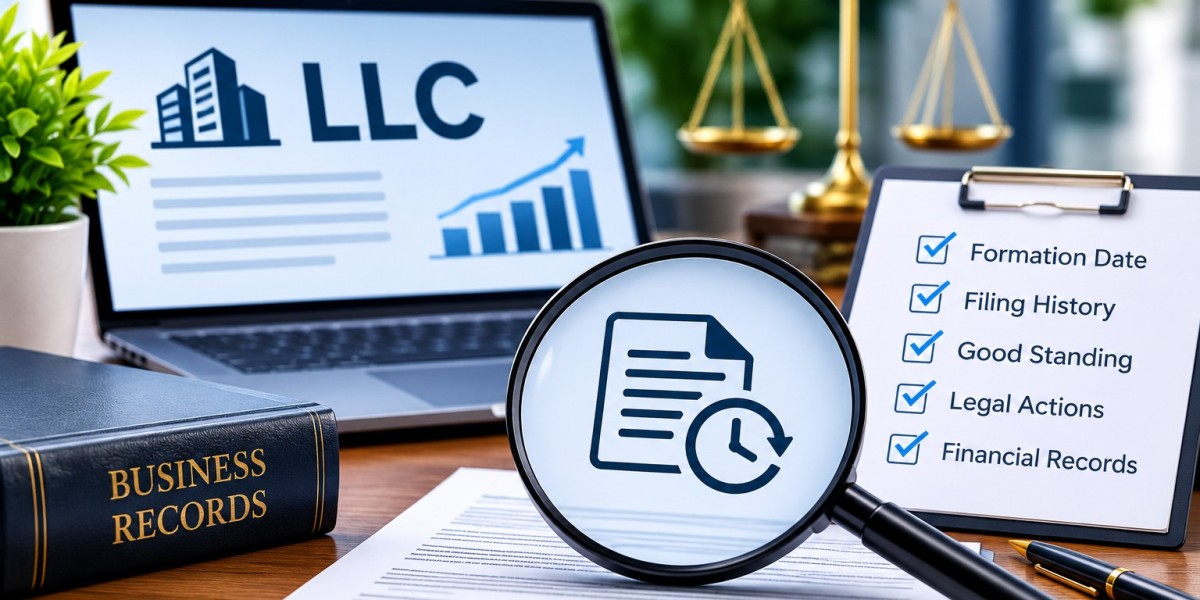

Purchasing an aged Limited Liability Company can be an attractive option for entrepreneurs who want to acquire an established business entity rather than form a new one. An LLC with several years of registration history may offer certain administrative advantages, depending on the purpose of the purchase. However, the age of a company does not automatically make it reliable, financially stable, or free from legal complications.
Before purchasing an aged LLC, buyers should carefully investigate its background, ownership records, compliance history, financial obligations, and legal standing. A company that appears legitimate in public records may still have unresolved liabilities or other issues that could create problems after the ownership transfer.
Understanding how to evaluate an LLC's history helps buyers make informed decisions and reduce unnecessary risks. A thorough review also makes it easier to determine whether the company is suitable for their business objectives.
Understanding the Background of an Aged LLC
An aged LLC is a limited liability company that was registered several years ago and has maintained its legal existence. Some entrepreneurs consider purchasing these entities because they want a business with an established formation date.
However, company age should never be the only consideration. A business may have existed for ten years without conducting meaningful operations. Another company may have maintained its registration but failed to meet certain administrative requirements.
Buyers should distinguish between the company's registration history and its actual business activity. These are two different aspects that require separate verification.
Understanding when the LLC was formed, whether it remained active, and how it was managed provides a useful starting point for evaluating its background.
Verify the Company's Registration Details
The first step is confirming that the LLC legally exists in the state where it was originally registered. Every state maintains business records that provide information about registered entities.
These records may include the company's legal name, formation date, current status, registered agent, and filing history.
For businesses registered in Wyoming, the official Secretary of State database provides access to public business information. Buyers can use a wyoming company search to verify the entity's registration details and review available records before proceeding with a purchase.
It is important to ensure that the information provided by the seller matches the official state records. Differences in company names, registration numbers, or formation dates should be investigated before signing any agreement.
A legitimate seller should be able to provide supporting documentation that confirms the company's identity and ownership.
Review the Company's Filing and Compliance History
An LLC must generally meet certain state requirements to maintain its legal standing. These obligations may include annual reports, renewal fees, registered agent maintenance, and other applicable filings.
A company with a consistent compliance history may present fewer administrative concerns than one with repeated filing problems.
Review the available filing records to identify missed deadlines, periods of delinquency, administrative dissolution, or reinstatement.
If the company was previously dissolved and later reinstated, ask the seller for an explanation and supporting documentation.
Also confirm whether any outstanding fees or penalties remain unpaid. These obligations may affect the company's standing or create additional costs after the purchase.
Buyers should understand that an active status does not necessarily confirm that every historical obligation has been resolved.
Investigate Previous Ownership and Management
Understanding who previously owned and controlled an LLC is another important part of the evaluation process.
Ask the seller for information about former members, managers, and authorized representatives. Review the operating agreement, membership records, and any available ownership transfer documents.
A clear ownership history helps establish whether the seller has the legal authority to transfer the company.
Pay attention to inconsistencies in ownership records, missing signatures, or unexplained changes in management.
If the LLC has had multiple owners, request documentation showing how each ownership transfer was completed.
You should also confirm that all current members have approved the proposed transaction where required by the operating agreement and applicable state law.
Examine Financial Records and Outstanding Liabilities
One of the most important steps when purchasing an aged LLC is determining whether the company has financial obligations.
An LLC may have outstanding loans, unpaid invoices, tax liabilities, contractual commitments, or other debts from previous operations.
These issues can create financial and legal complications for a new owner.
Request available financial statements, tax returns, bank records, and accounting documents. If the company previously conducted business, review its income, expenses, and outstanding obligations.
You should also investigate whether the LLC has pending payments, unresolved creditor claims, or existing financial agreements.
Consider obtaining appropriate tax clearance information where available. A qualified accountant can help identify potential tax issues and assess whether the company's financial records are complete.
Never assume that an LLC is free from liabilities simply because the seller describes it as inactive or unused.
Check for Legal Disputes and Regulatory Issues
Legal problems can significantly affect the value and suitability of an aged LLC.
Before purchasing the entity, investigate whether it has been involved in lawsuits, judgments, regulatory investigations, or other legal proceedings.
Depending on the company's history, relevant records may be available through state and federal court databases, public regulatory sources, and other official records.
Ask the seller to disclose any pending or previous legal disputes involving the business.
Also review whether the company holds licenses, permits, or registrations that may be affected by a change in ownership.
Not every legal issue will appear in a basic state business search. Therefore, a more comprehensive investigation may be necessary, particularly when the LLC previously operated in a regulated industry.
Legal professionals can help assess the significance of any findings before the transaction is finalized.
Understand State Requirements Before Changing Business Structure
Some buyers consider purchasing an aged LLC in one state and later moving or restructuring the business to operate under another state's laws.
However, these processes involve legal and administrative considerations that should be evaluated before making a decision.
For example, an entrepreneur researching how to convert nevada to wyoming corporation should first understand the available conversion, domestication, or restructuring procedures and determine which option is legally appropriate.
The requirements may involve state filings, tax considerations, registered agent arrangements, and approval from existing members.
It is also important to understand that changing a company's state of registration does not automatically eliminate previous liabilities or historical obligations.
Professional legal guidance can help determine the appropriate procedure and prevent avoidable compliance problems.
Review Contracts, Business Relationships, and Digital Assets
An aged LLC may have existing agreements with suppliers, customers, service providers, or other businesses.
These relationships should be reviewed before the purchase because some contracts may contain restrictions on ownership changes or assignment.
Ask the seller to disclose active agreements, lease obligations, outstanding service commitments, and any contractual disputes.
If the company owns a website, domain name, trademarks, or other digital assets, verify their ownership separately.
Check whether these assets are registered in the LLC's name and whether they can legally be transferred as part of the transaction.
A complete review of business relationships helps buyers understand what they are actually acquiring rather than relying solely on the company's registration history.
Obtain Professional Assistance Before Completing the Purchase
Evaluating an aged LLC can involve several areas of business law, taxation, accounting, and regulatory compliance.
Although buyers can review basic public records independently, professional assistance is valuable when investigating complex ownership structures or historical liabilities.
An experienced business attorney can review the operating agreement, ownership documents, contracts, and proposed purchase agreement.
An accountant can examine financial records, identify potential tax obligations, and assess the company's financial position.
It is also advisable to prepare a written purchase agreement that clearly defines the assets being transferred, the responsibilities of both parties, and any representations or warranties provided by the seller.
Taking these precautions can make the acquisition process more transparent and reduce the likelihood of unexpected complications.
Conclusion
Purchasing an aged LLC requires more than checking its formation date or confirming that it appears active in state records. Buyers should investigate its registration history, compliance records, previous ownership, financial obligations, legal background, and existing business relationships.
A thorough evaluation helps identify potential risks and provides a clearer understanding of the company's actual condition.
Before completing the transaction, verify important details through official records, request supporting documents, and seek professional legal and financial advice where necessary.
Ultimately, the value of an aged LLC depends on more than how long it has existed. A properly documented company with a transparent history and manageable obligations provides a stronger foundation for an informed purchasing decision.