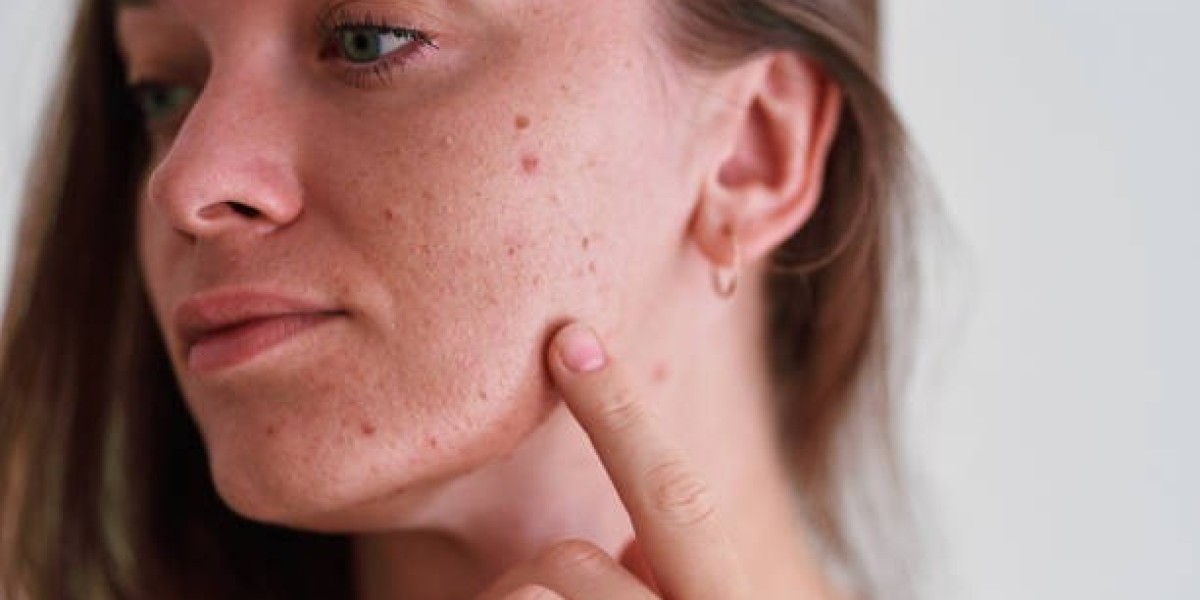

Blackheads, whiteheads, and frequent breakouts are common skin concerns that develop when pores become clogged with excess oil, dead skin cells, and other impurities. They can affect people with oily, dry, or combination skin and may become more noticeable when skincare habits, hormonal changes, or environmental factors contribute to congestion. Choosing the right Acne Treatment in Riyadh can help manage clogged pores, reduce recurring blemishes, and support healthier-looking skin.
Although blackheads and whiteheads may appear less severe than inflamed pimples, they can persist without an appropriate skincare routine. Using harsh products or squeezing clogged pores can increase irritation and make breakouts more difficult to manage. Professional Acne Treatment in Riyadh focuses on identifying the causes of recurring acne and selecting suitable treatments according to individual skin type and concerns.
What Causes Blackheads, Whiteheads, and Frequent Breakouts?
Blackheads and whiteheads are types of comedonal acne. They develop when hair follicles become blocked by sebum and dead skin cells.
Blackheads
Blackheads are open clogged pores. Their dark appearance develops when the material inside the pore is exposed to air and undergoes oxidation. The dark color is not simply dirt, so aggressive washing will not remove the underlying blockage.
Whiteheads
Whiteheads are closed clogged pores. They appear as small, skin-colored or whitish bumps because the opening of the blocked follicle remains covered by skin.
Frequent Breakouts
Recurring breakouts may involve blackheads, whiteheads, red pimples, or deeper inflamed lesions. Factors that can contribute include:
Excess sebum production.
Dead skin cells accumulating inside pores.
Hormonal fluctuations.
Acne-causing bacteria and inflammation.
Comedogenic skincare or makeup products.
Genetic predisposition.
Identifying the main contributing factors helps determine which treatments are most appropriate.
Best Ways to Treat Blackheads and Whiteheads
The right approach depends on the number of clogged pores, skin sensitivity, and whether inflammatory acne is also present.
1. Use Salicylic Acid
Salicylic acid is a beta-hydroxy acid that helps exfoliate inside pores and loosen the buildup associated with blackheads and whiteheads. It is commonly used in cleansers, toners, and leave-on acne products.
Start with a suitable concentration and introduce it gradually. Using it too frequently can cause dryness, redness, or irritation.
2. Apply Topical Retinoids
Topical retinoids, such as adapalene, help normalize skin cell turnover and prevent pores from becoming clogged. They are commonly recommended for comedonal acne and may also help manage other forms of acne.
Retinoids can initially cause dryness and irritation. A dermatologist can guide you on how to introduce them safely. Topical retinoids are generally avoided during pregnancy.
3. Choose Non-Comedogenic Skincare
Products labelled non-comedogenic are formulated to reduce the likelihood of clogging pores. Lightweight moisturizers, suitable sunscreens, and makeup products can help support an acne-friendly routine.
Even oily skin needs hydration. Skipping moisturizer may leave the skin dry and uncomfortable, particularly when using acne treatments.
4. Consider Benzoyl Peroxide for Inflamed Breakouts
Benzoyl peroxide helps reduce acne-causing bacteria and inflammation. It may be useful when blackheads and whiteheads occur alongside red pimples.
It does not work in the same way as salicylic acid or retinoids, so treatment selection should reflect the type of acne being treated. It may cause dryness and can bleach fabrics.
Professional Treatments for Persistent Clogged Pores
When blackheads, whiteheads, and breakouts continue despite consistent home care, a dermatologist may recommend professional treatment.
Professional Acne Facials
Some acne-focused facials include gentle cleansing, suitable exfoliation, and carefully performed extractions. They may help improve the appearance of surface congestion, but they do not replace medical treatment for persistent inflammatory acne.
Chemical Peels
Chemical peels use exfoliating ingredients, such as salicylic acid or glycolic acid, to improve clogged pores and uneven skin texture. The type and strength of peel should be selected according to skin condition and sensitivity.
Professional assessment is important because unsuitable or overly frequent peels can cause irritation and pigmentation changes.
Dermatologist-Performed Extractions
A trained professional may remove selected blackheads and whiteheads using appropriate techniques. Inflamed pimples and deep lesions should not be squeezed or aggressively extracted because this can increase inflammation and scarring.
How to Prevent Frequent Acne Breakouts
Preventing recurring breakouts requires consistent skincare and attention to habits that may irritate or clog the skin.
Wash your face gently twice daily and after heavy sweating.
Remove makeup before sleeping.
Use non-comedogenic skincare and sunscreen.
Avoid harsh scrubs and excessive exfoliation.
Keep hands away from blemishes.
Clean makeup brushes and other frequently used skincare tools regularly.
Follow acne treatment instructions consistently.
It is also helpful to introduce new products one at a time so you can identify which ingredients suit your skin.
When Should You See a Dermatologist?
Occasional blackheads and whiteheads may improve with suitable over-the-counter products. However, professional advice is recommended when breakouts are persistent, painful, widespread, or leaving dark marks and scars.
A dermatologist can distinguish comedonal acne from other skin conditions and recommend suitable topical or oral treatments. Prescription options may include retinoids, benzoyl peroxide combinations, or other medications depending on the diagnosis.
For individuals considering Acne Treatment in Riyadh, a professional skin assessment can help identify the most suitable approach for managing clogged pores and recurring breakouts.
Book Your Acne Consultation at Royal Clinic Saudia
Blackheads, whiteheads, and frequent breakouts can affect skin texture and confidence, but the right treatment approach can help manage these concerns. Professional guidance makes it easier to choose suitable skincare products and procedures without unnecessarily irritating the skin.
Contact Royal Clinic Saudia to arrange a consultation and discuss available acne treatment options. A personalized skincare plan can help you work toward clearer, smoother, and healthier-looking skin.
FAQs:
1. What is the fastest way to remove blackheads and whiteheads?
Salicylic acid and topical retinoids can help clear clogged pores over time. Professional extractions may remove selected blackheads and whiteheads, but results and suitability vary.
2. Can blackheads turn into pimples?
A clogged pore can become inflamed and develop into a red pimple. However, not every blackhead or whitehead will progress into inflammatory acne.
3. How often should I exfoliate acne-prone skin?
The ideal frequency depends on the exfoliating ingredient, product strength, and skin sensitivity. Start gradually and follow professional advice to avoid irritation.
4. Why do I keep getting acne even after cleansing my face?
Cleansing removes surface oil and impurities but does not address every cause of acne. Excess sebum, clogged pores, hormonal factors, and inflammation may require targeted skincare or dermatologist-recommended treatment.