

India is a country filled with extraordinary destinations, each offering its own history, culture, architecture and traditions. From royal palaces and ancient monuments to colourful markets and unforgettable food, every region has something special to discover. Yet when travellers think about India's most iconic cities, one destination often comes to mind: Delhi.
As the country's capital, Delhi brings together several chapters of Indian history. Its historic forts, Mughal monuments, colonial landmarks, religious sites and modern neighbourhoods make it one of the most fascinating places to explore. It is also an excellent starting point for discovering other famous destinations across northern India.
But is Delhi really the most famous city in India? The answer depends on what makes a city memorable. Agra is known worldwide for the Taj Mahal, Jaipur for its royal heritage, Varanasi for its spiritual traditions and Mumbai for its energetic urban culture.
This guide explores what makes Delhi so iconic, introduces other remarkable destinations and helps you decide which Indian city belongs on your travel bucket list.
Why Is Delhi Considered One of the Most Famous Cities in India?
Delhi has played an important role in India's history for centuries. Different dynasties and empires have left their mark on the city, creating an extraordinary collection of monuments, neighbourhoods and cultural traditions.
Today, Delhi combines historic attractions with modern shopping areas, museums, restaurants and business districts. Visitors can spend the morning exploring a centuries-old monument, enjoy traditional street food in the afternoon and discover contemporary city life in the evening.
Its location also makes Delhi a convenient starting point for journeys to Agra, Jaipur and other destinations in northern India.
Some of the reasons travellers choose Delhi include:
Its remarkable collection of historic monuments.
Its Mughal and colonial architectural heritage.
Its lively traditional markets.
Its diverse food culture.
Its museums, galleries and cultural attractions.
Its connections to popular northern India travel routes.
1. Explore Old Delhi – Discover the City's Historic Character
Old Delhi is one of the most memorable areas of the capital. Its narrow streets, traditional shops, historic buildings and busy markets provide a fascinating introduction to the city's character.
The Red Fort is one of its most important landmarks. Built during the Mughal period, the impressive complex reflects the architectural and political history of the empire.
Nearby, Jama Masjid is another major historic attraction. Chandni Chowk is particularly interesting for visitors who want to explore traditional markets, discover local products and experience Delhi's food culture.
A walk through Old Delhi can reveal a very different atmosphere from the city's modern neighbourhoods.
Things to experience:
Explore the Red Fort.
Visit Jama Masjid respectfully.
Walk through Chandni Chowk.
Discover traditional shops and markets.
Sample local street food.
2. Visit Humayun's Tomb – Admire Mughal Architecture
Humayun's Tomb is one of Delhi's most celebrated historic monuments. Its elegant design, landscaped gardens and detailed architectural features make it an important destination for anyone interested in India's heritage.
The monument is particularly significant in the development of Mughal architecture. Its design is associated with later Mughal garden-tomb traditions, making it an interesting place to visit before exploring other historic sites in the region.
The surrounding gardens offer a peaceful contrast to the busy streets of the capital.
Why visit:
Admire the monument's architectural details.
Explore its landscaped garden setting.
Learn about Mughal history.
Enjoy a quieter sightseeing experience.
3. Discover Qutub Minar – A Remarkable Historic Landmark
Qutub Minar is one of Delhi's most recognisable monuments. This historic minaret forms part of a larger archaeological complex containing several important structures and remains.
Its detailed stonework and impressive scale make it a highlight for architecture enthusiasts and photographers. The surrounding complex also provides insight into the history of the Delhi Sultanate.
Visitors interested in India's architectural heritage should include Qutub Minar in their Delhi itinerary.
4. Experience India Gate and New Delhi
New Delhi offers a different atmosphere from the historic lanes of Old Delhi. Its broad avenues, government buildings, gardens and modern public spaces reflect the city's development as India's national capital.
India Gate is one of the best-known landmarks in this part of the city. Designed as a war memorial, it stands in an important public area surrounded by open spaces.
Visitors can also explore the wider central district and admire its monumental architecture.
Things to experience:
Visit India Gate.
Explore the surrounding public spaces.
Discover New Delhi's historic government buildings.
Enjoy the contrast between old and modern Delhi.
5. Taste Delhi's Famous Food
Food is one of the most enjoyable ways to discover Delhi. The city's culinary traditions bring together influences from different parts of northern India, creating a varied dining experience.
Traditional markets and local restaurants offer opportunities to sample familiar favourites as well as regional specialities.
Popular dishes to try include:
Chole bhature.
Parathas.
Kebabs.
Chaat.
Butter chicken.
Samosas.
Jalebi.
For food enthusiasts, exploring Delhi's markets and traditional eateries can be just as memorable as visiting its monuments.
Other Famous Cities in India Worth Exploring
Although Delhi is one of India's most iconic destinations, it is only one part of the country's remarkable travel landscape. These cities offer different experiences and can be excellent additions to a longer India holiday.
6. Agra – Home of the World-Famous Taj Mahal
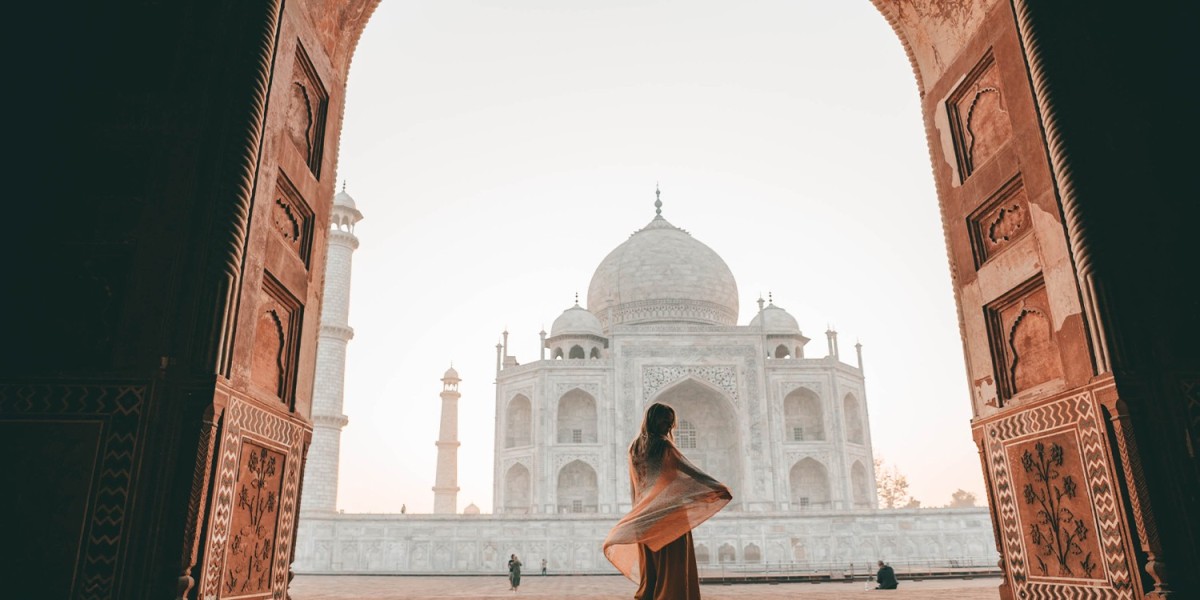
Agra is internationally recognised for the Taj Mahal, one of the world's most celebrated architectural landmarks. The white-marble monument attracts visitors interested in history, architecture and the stories behind India's royal heritage.
However, Agra has more to offer than the Taj Mahal. Agra Fort is another important historic site, while Itmad-ud-Daulah's Tomb is admired for its decorative details.
Visitors can also explore Mehtab Bagh for a different view of the Taj Mahal.
Local food is another highlight. Agra is known for petha, a traditional sweet, as well as Mughlai-inspired dishes and regional snacks.
Best experiences:
Visit the Taj Mahal.
Explore Agra Fort.
Discover Itmad-ud-Daulah's Tomb.
Enjoy views from Mehtab Bagh.
Taste traditional Agra sweets.
Best for: History enthusiasts, photographers and first-time visitors.
7. Jaipur – Discover the Royal Heritage of Rajasthan
Jaipur, popularly known as the Pink City, is one of India's most recognisable cultural destinations. Its forts, palaces, colourful markets and traditional crafts make it a rewarding place to explore.
Amber Fort is one of the city's main attractions, while Hawa Mahal is admired for its distinctive façade. City Palace offers a glimpse into the region's royal history, and Jantar Mantar is an important historic astronomical site.
Jaipur is also a wonderful destination for shopping. Visitors can discover traditional textiles, jewellery, pottery and handicrafts in its lively markets.
Local food specialities include dal baati churma, gatte ki sabzi, kachori and ghewar.
Best experiences:
Explore Amber Fort.
Admire Hawa Mahal.
Visit City Palace.
Discover Jantar Mantar.
Browse traditional markets.
Enjoy authentic Rajasthani cuisine.
Best for: Heritage travellers, shoppers, photographers and culture enthusiasts.
8. Varanasi – Experience India's Spiritual Traditions
Varanasi offers an experience unlike almost anywhere else in India. Located along the River Ganges, it is known for its historic ghats, temples, narrow streets and long-standing cultural traditions.
A sunrise boat ride provides a memorable perspective of the riverside landscape. Visitors can also experience the evening Ganga Aarti respectfully and explore the old city's traditional neighbourhoods.
Varanasi is famous for its silk-weaving heritage and distinctive food culture. Kachori sabzi, tamatar chaat, lassi and traditional sweets are among the local favourites.
Best experiences:
Take an early-morning boat ride on the Ganges.
Explore the historic ghats.
Experience the evening Ganga Aarti respectfully.
Discover Banarasi silk traditions.
Taste local food and sweets.
Best for: Cultural explorers, history enthusiasts and travellers interested in spiritual heritage.
9. Udaipur – The City of Lakes
Udaipur is one of Rajasthan's most picturesque destinations. Known as the City of Lakes, it combines scenic surroundings, historic palaces and traditional architecture.
City Palace overlooks Lake Pichola and is one of the city's most important attractions. Visitors can also explore Jagdish Temple, Bagore Ki Haveli and Saheliyon-ki-Bari.
A boat ride on Lake Pichola is a memorable way to appreciate the city, while its traditional markets offer opportunities to discover local crafts and textiles.
Best experiences:
Explore City Palace.
Enjoy a boat ride on Lake Pichola.
Visit Bagore Ki Haveli.
Discover traditional markets.
Taste regional Rajasthani food.
Best for: Couples, photographers and travellers interested in heritage and scenic surroundings.
10. Mumbai – Experience the Energy of Modern India
Mumbai is a vibrant metropolis known for its coastal setting, historic architecture, entertainment industry and diverse food culture.
The Gateway of India is one of the city's best-known landmarks. Marine Drive offers views of the Arabian Sea, while Chhatrapati Shivaji Maharaj Terminus is admired for its historic architecture.
Visitors can explore Colaba, discover local markets and experience the city's lively neighbourhoods.
Mumbai is also famous for street food. Vada pav, pav bhaji, bhel puri and Bombay sandwiches are popular choices.
Best experiences:
Visit the Gateway of India.
Walk along Marine Drive.
Explore Colaba.
Admire Chhatrapati Shivaji Maharaj Terminus.
Discover local markets.
Enjoy traditional Mumbai street food.
Best for: Urban explorers, food enthusiasts and travellers interested in contemporary culture.
11. Kolkata – India's City of Art and Literature
Kolkata is known for its literary heritage, artistic communities, historic architecture and Bengali traditions.
Victoria Memorial is one of its most recognisable landmarks. Visitors can also explore the Indian Museum, College Street and Kumartuli, a neighbourhood famous for traditional artisans.
The city's cuisine is another important part of its identity. Rosogolla, mishti doi, kathi rolls, fish curry and Kolkata biryani are popular local specialities.
Best experiences:
Visit Victoria Memorial.
Explore College Street.
Discover Kumartuli's artistic traditions.
See Howrah Bridge.
Taste authentic Bengali cuisine.
Best for: Art lovers, literature enthusiasts and food travellers.
12. Amritsar – Discover Punjabi Heritage
Amritsar is an important cultural destination in Punjab, known for its Sikh heritage, traditional hospitality and regional cuisine.
The Golden Temple is the city's most recognised landmark and an important place of worship. Visitors can also explore Jallianwala Bagh and the Partition Museum to learn about the region's history.
Amritsar is particularly famous for its food. Amritsari kulcha, chole, dal makhani and lassi are among the local favourites.
Best experiences:
Visit the Golden Temple respectfully.
Explore Jallianwala Bagh.
Discover the Partition Museum.
Browse traditional markets.
Enjoy authentic Punjabi cuisine.
Best for: Cultural travellers, history enthusiasts and food lovers.
Which Is the Most Famous City in India?
The answer depends on how you define fame.
Delhi is widely recognised as India's capital and a major centre of history, politics and culture. Agra attracts international attention because of the Taj Mahal, while Jaipur is celebrated for its royal architecture and distinctive heritage.
Here is a quick comparison:
| City | Best Known For | Ideal For |
|---|---|---|
| Delhi | Capital, historic monuments and markets | First-time visitors and history lovers |
| Agra | Taj Mahal and Mughal heritage | Architecture enthusiasts |
| Jaipur | Pink City, forts and palaces | Cultural travellers |
| Varanasi | Ganges ghats and spiritual traditions | Cultural explorers |
| Udaipur | Lakes and royal palaces | Couples and photographers |
| Jodhpur | Blue City and Mehrangarh Fort | Heritage enthusiasts |
| Mumbai | Modern city life and street food | Urban explorers |
| Kolkata | Art, literature and Bengali culture | Creative and cultural travellers |
| Amritsar | Golden Temple and Punjabi heritage | History and food lovers |
| Hyderabad | Charminar and regional cuisine | Food and architecture enthusiasts |
| Kochi | Coastal heritage and Kerala culture | Slow travellers |
| Mysuru | Mysore Palace and royal traditions | Families and heritage travellers |
For a first India holiday, Delhi, Agra and Jaipur make a particularly rewarding combination. Together, they offer a varied introduction to the country's architecture, history, food and traditions.
How to Plan a Journey Through India's Most Iconic Cities
India is a large country, so it is important to choose a realistic route. Rather than trying to visit every famous destination in one trip, focus on a region and allow enough time to explore each place.
The Golden Triangle: Delhi, Agra and Jaipur
This popular route is an excellent introduction to northern India.
You can experience:
Delhi's historic monuments and traditional markets.
Agra's Taj Mahal and Mughal architecture.
Jaipur's royal palaces, forts and colourful bazaars.
Rajasthan Heritage Journey
If you have more time, consider continuing from Jaipur to Jodhpur and Udaipur.
This journey offers:
Historic forts and palaces.
Traditional markets and crafts.
Regional cuisine.
Scenic lakes and heritage neighbourhoods.
A Wider Cultural Journey
Travellers with additional time can add destinations such as Varanasi, Amritsar, Mumbai or Kochi. These cities provide a broader perspective on India's regional traditions and lifestyles.
When Is the Best Time to Visit India's Famous Cities?
The best travel period depends on your chosen destinations and the experiences you want to enjoy.
October to March
These months are generally popular for sightseeing in many northern and central Indian destinations, including Delhi, Agra, Jaipur, Jodhpur and Udaipur. Conditions are often more comfortable for exploring monuments and outdoor attractions.
April to June
Summer can be very hot in several parts of northern and central India. Travellers should plan outdoor activities carefully and check local weather conditions.
July to September
The monsoon season brings rainfall to many regions. Kerala and other green landscapes can be especially attractive during this period, although heavy rain may affect travel plans.
Always check the weather for each destination before confirming your itinerary.
Practical Tips for Your India Holiday
A little preparation can make your journey more comfortable and enjoyable.
Choose destinations that match your interests.
Avoid including too many distant cities in a short holiday.
Allow enough time for sightseeing and local experiences.
Check transport connections before finalising your route.
Explore regional food and traditional markets.
Respect local customs at religious and cultural sites.
Consider a local guide for important historical attractions.
Check seasonal weather before choosing your travel dates.
A balanced itinerary should include time for both famous attractions and everyday experiences. Exploring a local market or enjoying a regional meal can become just as memorable as visiting a major monument.
Plan Your India Holiday with Travel Mart TM
India offers a remarkable variety of travel experiences, and every traveller has different expectations. Some visitors are drawn to royal palaces and historic monuments, while others want to discover regional cuisine, traditional crafts, spiritual heritage or scenic landscapes.
A tailor-made journey allows you to combine destinations according to your interests and preferred travel pace. You can decide how long to spend in each city and balance guided sightseeing with time for independent exploration.
Travel Mart TM helps travellers discover destinations across Asia through individually planned journeys and personal travel consultation. For more inspiration, explore this guide to India's most interesting cities for culture, food and history and start planning a journey that reflects your interests.
Frequently Asked Questions
What is the most famous city in India?
Delhi is one of India's most famous cities because it is the national capital and has an extraordinary collection of historic monuments, cultural attractions and markets. Agra, Jaipur and Mumbai are also internationally recognised destinations.
Why is Delhi so popular with tourists?
Delhi attracts visitors because of its historic landmarks, Mughal architecture, traditional markets, museums and diverse food culture. It is also a convenient starting point for exploring Agra and Jaipur.
Which city in India is famous for the Taj Mahal?
The Taj Mahal is located in Agra, in the state of Uttar Pradesh. It is one of India's most celebrated architectural landmarks.
Which Indian city is known as the Pink City?
Jaipur is widely known as the Pink City because of the distinctive colour of many buildings in its historic areas.
Which Indian city is best for food lovers?
The best choice depends on personal preferences. Delhi offers a wide variety of North Indian food, Mumbai is famous for street food, Hyderabad for biryani, Amritsar for Punjabi cuisine and Kolkata for Bengali specialities.
What is the best route for a first-time visitor to India?
The Golden Triangle route connecting Delhi, Agra and Jaipur is a popular introduction to India's history, architecture, food and culture.
How many days should I spend exploring Delhi?
Two to three days can provide a useful introduction to Delhi's major attractions, historic neighbourhoods and food culture. Travellers with additional time can explore more museums, markets and surrounding destinations.
Final Thoughts
India is a country of remarkable diversity, and its cities reveal different aspects of its history, culture and everyday life. Delhi stands out for its historic monuments and status as the capital, while Agra is famous for the Taj Mahal, Jaipur for its royal heritage and Varanasi for its distinctive spiritual traditions.
Mumbai, Kolkata, Amritsar, Udaipur, Jodhpur and other destinations offer equally memorable experiences, from regional food and traditional crafts to architecture and scenic surroundings.
So, what is the most famous city in India? Delhi is a strong answer, particularly for travellers seeking a broad introduction to the country's history and culture. But the most rewarding destination for your own holiday will depend on what you want to discover.
Choose your cities thoughtfully, allow time to experience local life and enjoy the many different stories India has to offer.