
As remote collaboration becomes a core part of business operations, video conference rooms have quickly evolved from simple meeting spaces into high-performance environments where design, comfort, and technology intersect. Modern organizations need conference rooms that not only support seamless virtual communication but also reflect the company’s brand identity and culture.
Today’s furniture trends focus on merging functionality with aesthetics to create rooms that enhance productivity, provide comfort, and deliver an impressive visual presence during online meetings. Let’s explore the leading furniture trends shaping video conference rooms in corporate offices.
The New Role of Video Conference Rooms
Video conference rooms are no longer optional. With hybrid work models and global partnerships, companies rely heavily on virtual meetings. A well-designed conference room must accommodate advanced technology, provide ergonomic comfort, and create a polished environment that looks professional on camera. This balance of form and function is what drives today’s furniture trends.
1. Clean-lined, Minimalist Conference Tables
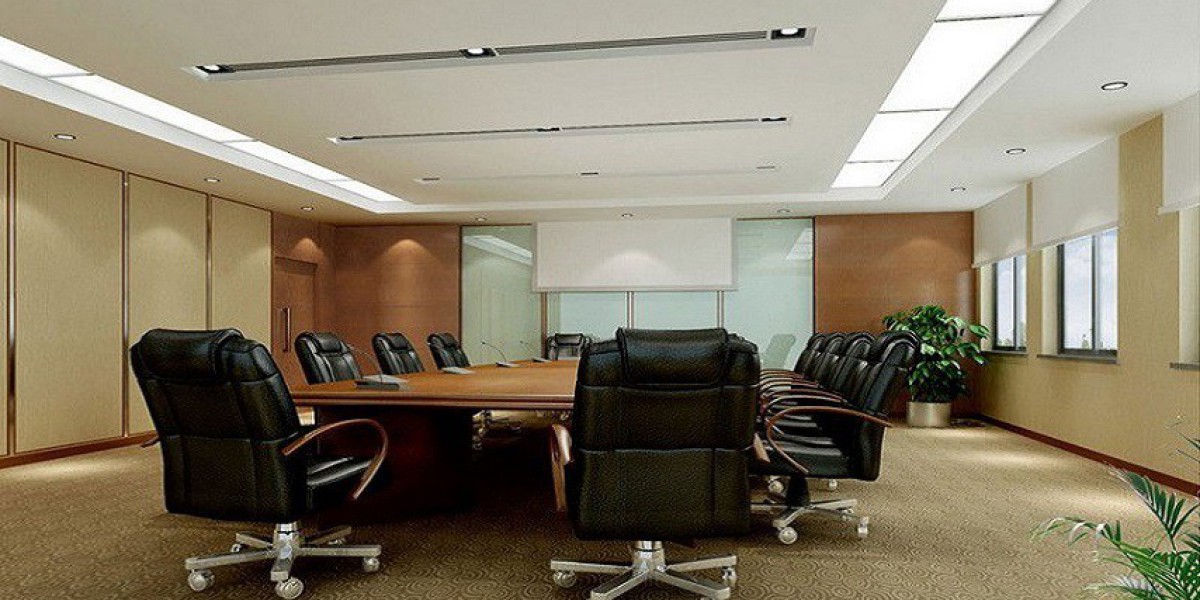
Minimalist conference tables with sleek edges and clutter-free surfaces have become a staple. These designs support multiple devices while maintaining a streamlined look that appears neat on camera. Integrated cable management systems ensure that wires remain hidden, preventing visual distractions and keeping the workspace functional.
These tables often include built-in ports, charging modules, and adaptable layouts to support shifting meeting styles, from presentations to brainstorming sessions.
2. Ergonomic Seating That Supports Long Virtual Meetings
Comfort is critical during long video conferences. Modern conference rooms now feature ergonomic chairs with adjustable features such as lumbar support, armrests, seat depth, and tilt settings. These chairs not only enhance physical comfort but also project a professional and cohesive appearance when seen on video.
Companies increasingly choose chairs with breathable materials, sleek silhouettes, and neutral colors to maintain a polished on-camera presence.
3. Acoustic Furniture for Better Sound Quality
Clear audio is essential in video conferencing, and acoustic-friendly furniture has become a major trend. Designers now incorporate sound-absorbing wall panels, acoustic ceiling baffles, and upholstered furniture to reduce echo and improve sound quality.
Soft finishes, padded seating, and sound-dampening partitions help create a quieter environment, ensuring clear communication without background noise interruptions.
4. Technology-Integrated Furniture
Today’s conference rooms demand seamless tech integration. Furniture with built-in connectivity is becoming a standard to support efficient meetings. This includes:
- Tables with embedded power and HDMI ports
- Smart cable trays
- Wireless charging surfaces
- Integrated monitor mounts
- Hidden compartments for hardware
These features eliminate clutter and make it simple for teams to connect devices quickly, keeping meetings running smoothly.
5. Flexible, Modular Layouts for Hybrid Work
Adaptability is at the heart of modern conference room design. Modular furniture allows rooms to transition between small team calls, large presentations, and hybrid meetings. Movable tables, folding partitions, and reconfigurable seating ensure that a single room can serve multiple functions.
This flexibility helps organizations optimize space usage while maintaining a stylish, consistent aesthetic.
6. Stylish Backdrops That Look Good on Camera
The visual background seen during virtual meetings has become an important design consideration. Furniture trends now prioritize stylish backdrops that reinforce brand identity. This includes:
- Statement wall units
- Floating shelves
- Accent wood panels
- Modern storage solutions
- Decorative partitions
These elements create professional, visually pleasing environments that enhance how the company is perceived on video.
7. Warm, Natural Materials for a Modern Look
Corporate spaces are moving away from sterile, traditional designs. Conference rooms increasingly feature natural materials such as wood, stone finishes, and textured fabrics. These add warmth to the room, improve the visual appeal on camera, and create a welcoming environment for both in-person and virtual attendees.
Soft lighting paired with natural-toned furniture also helps presenters appear clearer and more natural on screen.
8. Collaboration-Friendly Furniture
Video conferences often include both in-person and remote participants. Furniture is now designed to support inclusive collaboration. Curved conference tables, semi-circular seating arrangements, and angled designs ensure that all participants remain visible on camera.
This promotes engagement, reduces awkward blind spots, and ensures a smoother communication flow.
Conclusion
The future of video conference rooms lies in the fusion of technology and design. Corporate offices are adopting furniture that enhances virtual communication, improves comfort, and elevates the visual appeal of the workspace. From ergonomic seats and minimalist tables to smart connectivity and acoustic solutions, these trends reflect the needs of modern hybrid work environments.
Why Ergonomic Design Is Crucial in Modern Laboratory Furniture
Why Turnkey Office Interiors Are the Smart Choice for Hassle-Free Workspace Planning