
As power demand continues to grow across industrial zones, urban infrastructure, renewable energy projects, and rural electrification programs, utilities and EPC contractors are under increasing pressure to build safer, more efficient, and cost-effective distribution systems. One of the most reliable solutions used worldwide is the aerial power cable system.
Aerial power cables are widely used in overhead electrical transmission and distribution networks because they offer flexibility, durability, and reduced installation costs compared to underground systems. From urban grid modernization to remote area electrification, these cables play a critical role in delivering stable electrical power.
HNBF Power, a global manufacturer of overhead conductors and power cables, provides advanced aerial power cable solutions designed for utility companies, contractors, industrial facilities, and infrastructure developers. With expertise in AAC, AAAC, ACSR, ABC cable, LV power cable, and concentric cable manufacturing, HNBF Power supports modern energy projects with reliable and customized cable systems.
What Is an Aerial Power Cable?
An aerial power cable is an insulated or bare electrical cable installed above ground on poles or support structures for transmitting and distributing electrical power. These cables are commonly used in medium-voltage and low-voltage distribution systems.
Unlike underground cables that require trenching and complex civil work, aerial cable systems are easier to install, maintain, and upgrade. This makes them highly suitable for utility expansion projects and developing infrastructure networks.
Aerial power cable systems typically include:
- Conductors
- Insulation materials
- Messenger wires
- Protective coverings
- Support hardware
The design varies depending on voltage level, environmental conditions, and project requirements.
Why Aerial Power Cables Are in High Market Demand
The global power infrastructure sector is rapidly evolving. Governments and utility providers are investing heavily in smart grid development, renewable integration, and rural electrification. As a result, the demand for durable and efficient aerial cable systems continues to rise.
Key Market Drivers
Faster Installation Compared to Underground Systems
Aerial cables reduce the need for excavation, duct systems, and extensive construction work. This significantly lowers installation time and project costs.
Improved Reliability in Harsh Environments
Modern aerial power cables are designed to withstand:
- UV exposure
- Extreme temperatures
- Heavy rainfall
- Wind loads
- Mechanical stress
This makes them suitable for challenging environmental conditions.
Lower Maintenance Costs
Insulated aerial cable systems reduce short circuits, power leakage, and external damage risks, resulting in lower long-term operational costs.
Growing Rural Electrification Projects
Many developing regions rely on aerial distribution systems because they provide a practical and affordable solution for extending electricity access to remote communities.
Types of Aerial Power Cables
Selecting the right aerial cable is essential for ensuring network efficiency, safety, and operational stability.
AAC Conductors
AAC (All Aluminum Conductors) are lightweight conductors with excellent conductivity. They are commonly used in urban distribution networks where shorter span lengths are required.
Advantages
- High conductivity
- Corrosion resistance
- Lightweight structure
- Cost-effective solution
AAAC Conductors
AAAC (All Aluminum Alloy Conductors) offer improved mechanical strength and corrosion resistance compared to AAC conductors.
Common Applications
- Coastal regions
- High humidity environments
- Medium-span transmission lines
ACSR Conductors
ACSR (Aluminum Conductor Steel Reinforced) cables are widely used for overhead transmission because of their excellent tensile strength and current-carrying capacity.
Key Benefits
- High mechanical durability
- Long-span capability
- Suitable for heavy load conditions
- Excellent performance in high-voltage systems
ABC Cable
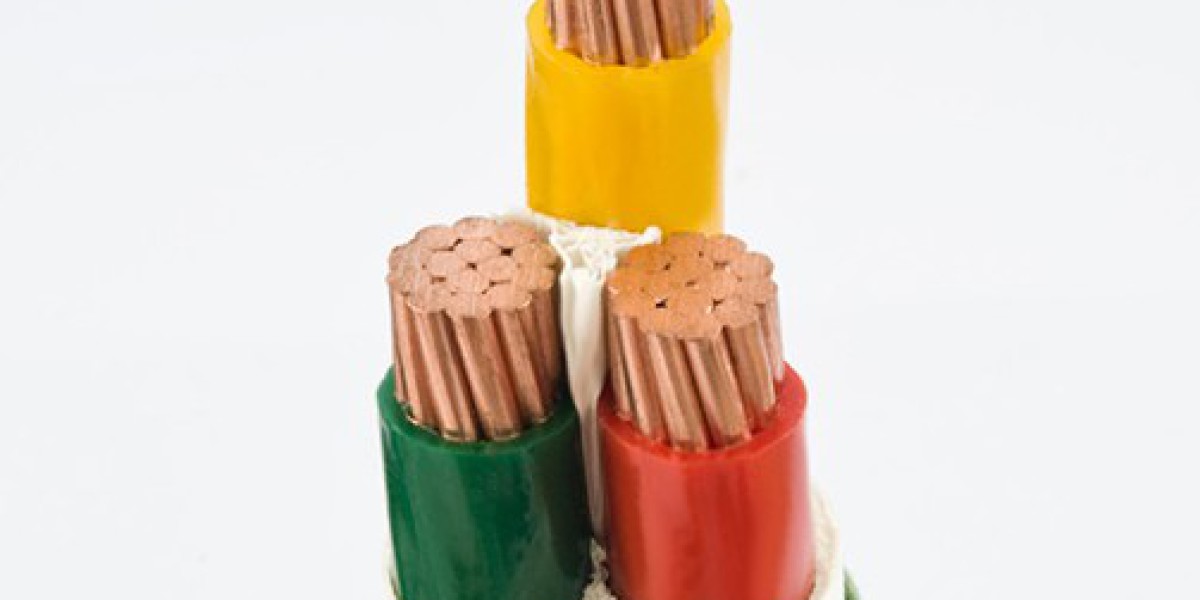
Aerial Bundled Cable (ABC) systems are insulated overhead cables designed for safer and more compact power distribution.
Why Utilities Prefer ABC Cable
- Reduced power theft
- Improved public safety
- Lower risk of short circuits
- Better performance in densely populated areas
ABC cables are increasingly used in urban distribution networks, industrial parks, and residential electrification projects.
Major Applications of Aerial Power Cable Systems
Aerial power cables are used across multiple sectors due to their versatility and operational efficiency.
Urban Power Distribution
Cities require reliable electrical infrastructure capable of handling growing energy demand. Aerial cable systems support efficient low-voltage and medium-voltage distribution while minimizing installation disruption.
Industrial Facilities
Factories, manufacturing plants, and mining operations depend on stable overhead power systems for continuous operation.
Renewable Energy Projects
Solar farms and wind power installations use aerial cable networks to connect generation facilities with substations and distribution systems.
Rural Electrification
Remote regions often use aerial power cable systems because they are easier and more economical to install across difficult terrain.
Infrastructure Development Projects
Airports, railways, highways, and smart city developments rely on aerial cable systems for efficient electrical distribution.
Key Factors to Consider When Choosing an Aerial Power Cable
Procurement teams and utility engineers must evaluate several technical factors before selecting a cable system.
Voltage Rating
The cable must match the operational voltage level of the power distribution network.
Mechanical Strength
Environmental conditions such as wind, ice loading, and span distance affect conductor selection.
Conductivity Requirements
Higher conductivity reduces transmission losses and improves system efficiency.
Corrosion Resistance
For coastal and industrial environments, corrosion-resistant materials are essential for long-term reliability.
Insulation Quality
High-quality insulation improves operational safety and reduces maintenance requirements.
Compliance With International Standards
Reliable manufacturers provide products that meet IEC, ASTM, BS, and other international quality standards.
Advantages of Working With HNBF Power
HNBF Power supports global utility and infrastructure projects with high-performance cable solutions designed for modern power networks.
Wide Product Range
HNBF Power manufactures:
- AAC conductors
- AAAC conductors
- ACSR conductors
- ABC cables
- LV power cables
- Concentric cables
Customized Manufacturing Solutions
Every power project has different operational requirements. HNBF Power provides customized conductor sizes, insulation options, and cable configurations based on project specifications.
Strict Quality Control
All products undergo comprehensive testing to ensure:
- Electrical performance
- Mechanical durability
- Thermal stability
- Long service life
Global Export Experience
HNBF Power supplies cable solutions for utility projects, EPC contractors, industrial developments, and infrastructure programs worldwide.
Technical Support for Procurement Teams
The company provides professional support for cable selection, technical specifications, and project-based customization requirements.
The Future of Aerial Power Cable Technology
The power industry is moving toward smarter and more resilient grid systems. Modern aerial cable technologies are evolving to support:
- Smart grid infrastructure
- Renewable energy integration
- Reduced transmission losses
- Higher operational safety
- Sustainable power distribution systems
Insulated aerial bundled cable systems are expected to see continued growth as utilities focus on reducing outages and improving grid efficiency.
Advanced conductor materials and manufacturing technologies are also helping improve cable lifespan and energy performance.
Conclusion
Aerial power cable systems remain one of the most effective solutions for modern electrical distribution and transmission infrastructure. Their cost efficiency, easy installation, reliability, and adaptability make them essential for utilities, industrial projects, renewable energy systems, and rural electrification programs.
Choosing the right cable manufacturer is equally important for ensuring long-term network performance and operational reliability. HNBF Power delivers high-quality aerial power cable solutions designed to meet the evolving demands of global energy infrastructure projects.
Whether your project requires AAC, AAAC, ACSR, ABC cable, LV power cable, or customized overhead conductor solutions, HNBF Power provides the technical expertise and manufacturing capability needed for successful project execution.
Frequently Asked Questions
What is the difference between ABC cable and traditional bare conductors?
ABC cable uses insulated conductors bundled together, improving safety and reducing power theft and short-circuit risks. Traditional bare conductors are uninsulated and require larger safety clearances.
Why are ACSR conductors commonly used in transmission lines?
ACSR conductors combine aluminum conductivity with steel core strength, making them suitable for long-span overhead transmission systems.
Are aerial power cables suitable for harsh weather conditions?
Yes. Modern aerial power cables are designed to withstand UV exposure, rain, temperature fluctuations, and mechanical stress.
What industries commonly use aerial power cable systems?
Utilities, renewable energy projects, industrial facilities, infrastructure developments, and rural electrification programs commonly use aerial power cable systems.
How can buyers choose the right aerial cable manufacturer?
Buyers should evaluate product quality, international certifications, customization capabilities, technical support, and manufacturing experience.
Contact HNBF Power for Customized Cable Solutions
If you are planning a utility expansion, infrastructure project, renewable energy installation, or industrial power distribution system, HNBF Power can provide customized aerial power cable solutions tailored to your technical and operational requirements. Contact HNBF Power today to discuss your project specifications and receive professional support from experienced cable manufacturing specialists.