
Backing for Embroidery Patches
Introduction
A beautiful embroidered patch can instantly upgrade a jacket, hat, backpack, or uniform. But while most people focus on the design itself, there’s another detail that matters just as much—the backing.
The wrong backing can turn a great patch into a frustrating experience. Patches may peel off, curl at the edges, or fail to stay attached after washing.
That’s why choosing the right backing for embroidery patches is so important.
Whether you’re creating custom patches for fashion brands, uniforms, sports teams, or promotional products, the backing affects durability, flexibility, and overall usability.
In this guide, we’ll explore the most common patch backing options, their advantages, and how to choose the best one for your embroidery project.
What Is Patch Backing?
Patch backing is the material or attachment method added to the back of an embroidered patch.
It determines how the patch attaches to garments or surfaces.
The backing also affects:
Durability
Flexibility
Ease of application
Long-term performance
Think of patch backing like the foundation of a building. Even if the top looks amazing, the structure underneath must still be strong and reliable.
Why Backing for Embroidery Patches Matters
Better Durability
Good backing helps patches stay secure during:
Washing
Daily wear
Outdoor use
Heavy movement
Without proper backing, patches may loosen or peel over time.
Easier Application
Different backings offer different levels of convenience.
Some are designed for permanent attachment, while others allow removable patches.
Improved Patch Performance
The correct backing helps embroidered patches maintain:
Shape
Stability
Professional appearance
This becomes especially important for uniforms and branded apparel.
Most Popular Types of Backing for Embroidery Patches
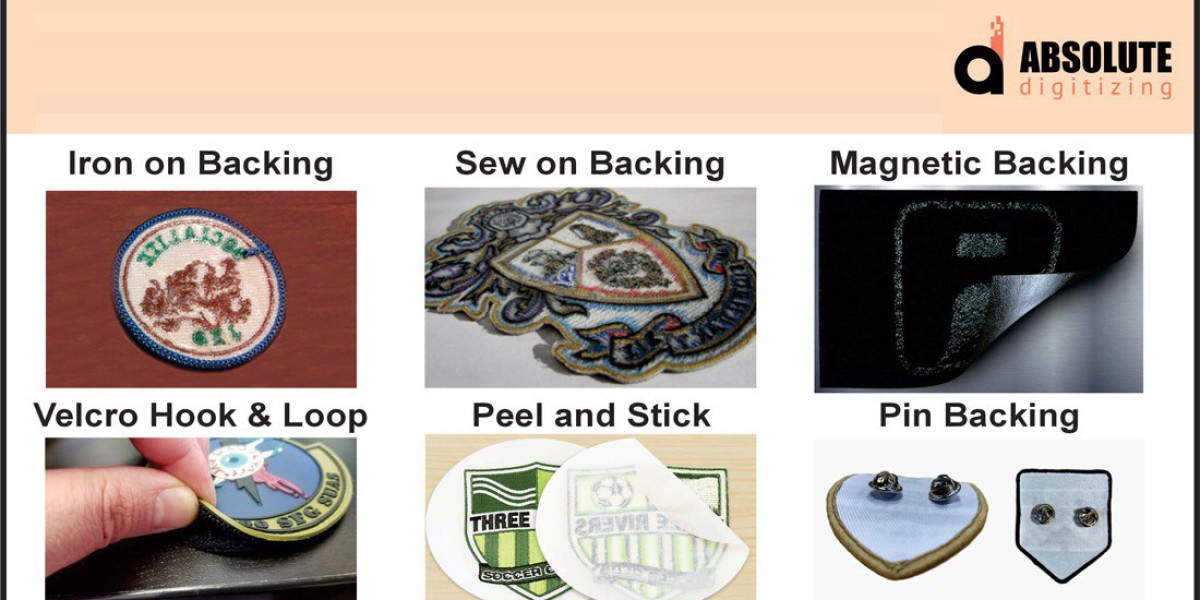
Sew-On Backing
Sew-on backing is one of the most durable and traditional patch options.
The patch is stitched directly onto the garment using thread.
Benefits of Sew-On Backing
Long-lasting attachment
Excellent durability
Strong hold during washing
Ideal for heavy-use garments
Best Uses
Work uniforms
Jackets
Sports apparel
Military patches
Sew-on backing is often considered the most reliable choice for long-term use.
Iron-On Backing
Iron-on backing uses heat-activated adhesive to attach patches.
This is one of the easiest methods for beginners.
Benefits of Iron-On Backing
Quick application
No sewing required
Convenient for casual apparel
Best Uses
Backpacks
Fashion jackets
Casual clothing
Decorative patches
However, frequent washing or heat exposure may weaken the adhesive over time.
Velcro Backing
Velcro backing allows patches to be removed and replaced easily.
This option is very popular for tactical and uniform applications.
Benefits of Velcro Backing
Reusable patches
Easy replacement
Flexible customization
Best Uses
Tactical gear
Security uniforms
Sports equipment
Event apparel
Velcro patches are practical when designs need to change regularly.
Adhesive Backing
Adhesive backing works similarly to a sticker.
The patch attaches temporarily using peel-and-stick adhesive.
Benefits
Fast application
Temporary use
Great for events
Limitations
Not highly durable
Less suitable for repeated washing
Choosing the Right Backing for Your Patch
Consider the Garment Type
Different garments require different backing solutions.
Heavy Fabrics
Jackets
Denim
Workwear
These usually work best with sew-on backing.
Lightweight Fabrics
T-shirts
Thin polos
Fashion items
Iron-on backing may work better for lighter materials.
Think About Usage Frequency
Ask yourself:
Will the patch be washed often?
Is it for daily wear?
Does it need to be removable?
The answers help determine the best backing choice.
How Embroidery Digitizing Affects Patch Quality
Good Digitizing Improves Patch Durability
Even the best backing cannot fix poor embroidery digitizing.
Professional digitizing helps ensure:
Clean borders
Balanced stitch density
Strong patch structure
Smooth stitching
At Absolute Digitizing, professional embroidery digitizing helps create cleaner and more durable patch designs for various backing types.
Importance of Border Style
Merrow Borders
Merrow borders create thick stitched edges around patches.
Benefits
Prevent fraying
Increase durability
Traditional patch appearance
Merrow borders pair well with sew-on and iron-on patches.
Satin Stitch Borders
Satin borders provide cleaner edges for custom patch shapes.
They work especially well for:
Complex outlines
Fashion patches
Detailed designs
Common Problems With Patch Backings
Iron-On Patches Peeling
This often happens because:
Heat was too low
Fabric was incompatible
Adhesive quality was weak
Proper application improves patch lifespan.
Sew-On Patches Curling
Improper stitching tension or weak fabric support may cause patch edges to curl.
Velcro Losing Grip
Over time, dirt and repeated use can weaken Velcro performance.
Cleaning and replacing worn Velcro helps maintain strong attachment.
Tips for Better Embroidery Patch Results
Use Quality Materials
Strong backing combined with quality twill and thread creates more professional patches.
Match Backing to Purpose
Choosing the right backing depends on:
Garment type
Wear conditions
Desired durability
Application method
Test Before Large Production
Always test patches before bulk manufacturing.
This helps identify:
Adhesion problems
Stitch issues
Fabric compatibility concerns
Why Businesses Use Professional Patch Services
Professional embroidery services help ensure:
Cleaner stitching
Better durability
Proper backing selection
Improved patch consistency
At Absolute Digitizing, professional embroidery digitizing supports high-quality patch production for uniforms, fashion brands, promotional apparel, and custom embroidery projects.
Conclusion
Choosing the right backing for embroidery patches plays a major role in patch durability, appearance, and overall performance.
Whether you choose sew-on, iron-on, Velcro, or adhesive backing, the best option depends on how the patch will be used and how long it needs to last.
Combined with professional embroidery digitizing, quality materials, and proper testing, the right backing helps create patches that look professional and stay secure over time.
With expert embroidery digitizing support from Absolute Digitizing, creating durable and high-quality embroidered patches becomes much easier and more reliable.
FAQs
What is the most durable backing for embroidery patches?
Sew-on backing is generally considered the most durable option for long-term use.
Are iron-on patches permanent?
Iron-on patches can last a long time, but repeated washing and heat may weaken the adhesive over time.
Why do embroidered patches peel off?
Peeling usually happens because of weak adhesive, incorrect heat application, or unsuitable fabric surfaces.
What is Velcro patch backing used for?
Velcro backing allows patches to be attached and removed easily, making it ideal for uniforms and tactical gear.
Does digitizing affect embroidery patch quality?
Yes. Professional digitizing improves stitch quality, patch structure, and overall durability.