
Fiber glass is one of the most versatile materials used in modern construction, manufacturing, transportation, and consumer products. It is lightweight, durable, corrosion-resistant, and incredibly strong for its weight. Because of these qualities, people often ask, what is fiber glass made out of. The answer lies in a carefully engineered combination of natural minerals and recycled materials that are melted at high temperatures and transformed into extremely fine glass fibers. These fibers are then combined with resins to create a strong composite material suitable for countless applications. Understanding the composition of fiber glass helps explain why it has become one of the most important materials in industries around the world.
What Is Fiber Glass?
Fiber glass, also spelled fiberglass, is a reinforced composite material made from fine strands of glass embedded in a polymer resin. Unlike ordinary glass, which is brittle and easily broken, fiber glass gains exceptional strength and flexibility from its woven or chopped glass fibers. The resulting material is lightweight yet durable enough to withstand heavy loads, moisture, chemicals, and temperature changes. It is widely used in construction, automotive manufacturing, aerospace, marine equipment, insulation, sporting goods, and many other industries because of its excellent performance and long service life.
What Is Fiber Glass Made Out of?
The simple answer to what is fiber glass made out of is that it is made from silica sand, limestone, soda ash, and several other minerals. These raw materials are heated inside a furnace until they melt into molten glass. The molten glass is then forced through tiny openings to create extremely thin fibers, which are cooled almost instantly. Afterward, these fibers are coated with a protective chemical finish and combined with synthetic resins such as polyester, epoxy, or vinyl ester. The combination of glass fibers and resin creates the finished fiber glass product used across many industries.
Silica Sand: The Main Ingredient
Silica sand is the primary raw material used to manufacture fiber glass. It contains silicon dioxide, which forms the structural foundation of glass. High-purity silica sand is selected because impurities can weaken the final product. During manufacturing, silica melts at extremely high temperatures and combines with other minerals to produce strong, transparent glass. Since silica provides the basic strength of the glass fibers, it is considered the most important ingredient in fiber glass production.
Limestone and Its Role
Limestone is another essential ingredient in fiber glass manufacturing. It contains calcium carbonate, which improves the chemical stability and durability of the finished glass. Adding limestone helps make the glass more resistant to water, weather, and chemical attack. It also lowers the melting temperature slightly, making the manufacturing process more energy efficient. Without limestone, fiber glass would be less durable and more vulnerable to environmental damage.
Soda Ash Improves Manufacturing
Soda ash, also known as sodium carbonate, plays a key role in reducing the melting point of silica. Pure silica requires extremely high temperatures to melt, but soda ash allows manufacturers to process glass more efficiently. This reduces production costs while maintaining excellent material quality. Soda ash also contributes to the smooth formation of glass fibers during manufacturing, ensuring consistent strength throughout the finished product.
Other Minerals Used in Fiber Glass
Besides silica sand, limestone, and soda ash, manufacturers often add minerals such as borax, alumina, feldspar, dolomite, and kaolin clay. Each mineral contributes specific properties that improve the performance of fiber glass. Boron compounds increase heat resistance and electrical insulation, while alumina improves strength and chemical durability. These carefully balanced ingredients ensure that fiber glass meets the demanding requirements of different industries.
Recycled Glass in Modern Production
Many manufacturers include recycled glass, known as cullet, in fiber glass production. Using recycled glass reduces the need for new raw materials and lowers energy consumption because cullet melts more easily than fresh minerals. This approach supports environmental sustainability while maintaining product quality. Modern fiber glass often contains a significant percentage of recycled material, making it a more eco-friendly manufacturing option.
How Fiber Glass Is Manufactured
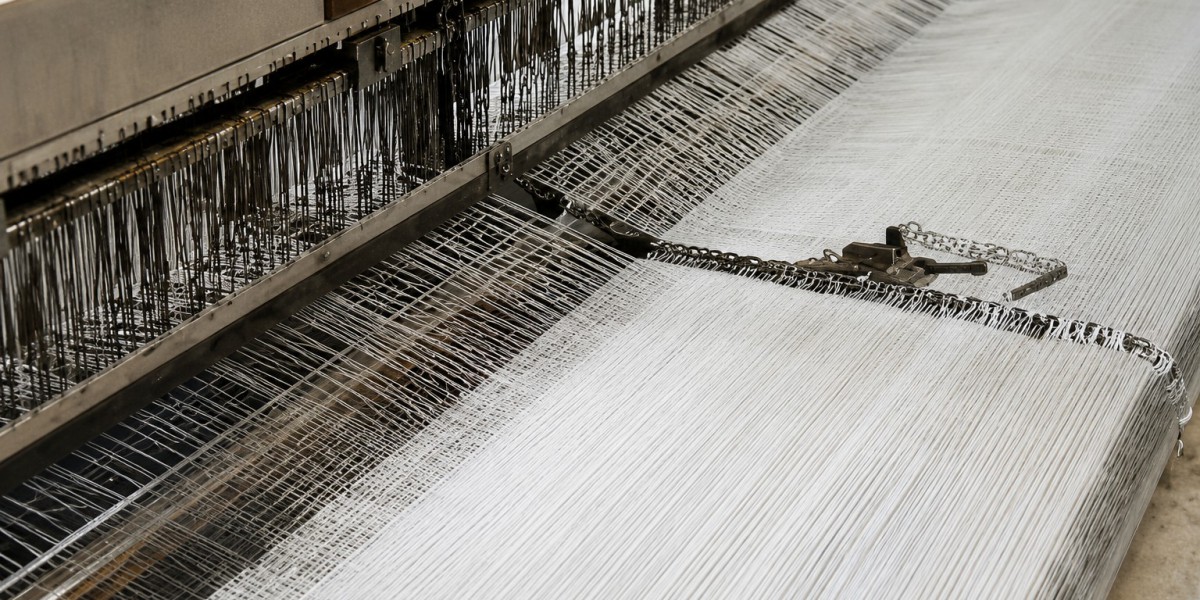
The manufacturing process begins by mixing raw materials in precise proportions before placing them inside a high-temperature furnace. Once the mixture melts into liquid glass, it flows through platinum bushings containing hundreds or thousands of tiny holes. As the molten glass passes through these openings, it forms continuous glass filaments. These fibers cool immediately and receive a protective coating that improves bonding with resin. The fibers are then collected into mats, woven fabrics, or chopped strands before being combined with resin to create finished fiber glass products.
Why Resin Is Added to Fiber Glass
Glass fibers alone are strong but difficult to shape into finished products. Manufacturers combine them with polymer resins to create a rigid composite material. Polyester resin is commonly used because it is affordable and suitable for general applications. Epoxy resin provides superior strength and chemical resistance, making it ideal for aerospace and marine industries. Vinyl ester resin offers excellent corrosion resistance for chemical storage tanks and industrial equipment. The resin binds the fibers together and distributes loads evenly throughout the material.
Different Types of Fiber Glass
Fiber glass is available in several types depending on its intended use. E-glass is the most common type and is widely used for electrical insulation and construction. S-glass provides higher tensile strength and is preferred in aerospace applications. C-glass offers superior chemical resistance, while AR-glass contains zirconium to improve resistance against alkaline environments. These specialized types allow manufacturers to select the most suitable material for specific engineering requirements.
Advantages of Fiber Glass
One reason fiber glass is so popular is its impressive combination of strength, lightweight construction, and durability. It resists corrosion, moisture, chemicals, insects, and rot better than many traditional materials. It also provides excellent electrical insulation and thermal performance. Fiber glass requires minimal maintenance and has a long service life, making it cost-effective for both residential and industrial applications. These benefits explain why it continues to replace heavier materials like steel and wood in many projects.
Common Applications of Fiber Glass
Fiber glass is used in an enormous variety of products. It strengthens boat hulls, automobile body panels, aircraft components, wind turbine blades, pipelines, storage tanks, roofing materials, and construction panels. It is also commonly found in insulation products, ladders, bathtubs, swimming pools, sports equipment, fishing rods, helmets, and surfboards. The material’s flexibility allows engineers to create lightweight designs without sacrificing structural integrity.
Is Fiber Glass Safe?
Finished fiber glass products are generally safe for everyday use. However, during manufacturing or cutting, tiny glass fibers can become airborne and irritate the skin, eyes, and respiratory system. Workers typically wear gloves, protective clothing, goggles, and dust masks to minimize exposure. Once the fibers are sealed inside resin, they pose very little risk during normal use. Proper handling practices ensure that fiber glass remains a safe and reliable material.
Environmental Impact of Fiber Glass
Fiber glass has both environmental advantages and challenges. Because it lasts for decades and resists corrosion, products require fewer replacements, reducing waste over time. The increasing use of recycled glass also lowers energy consumption during manufacturing. However, recycling finished fiber glass composites remains difficult because separating glass fibers from resin is technically challenging. Researchers continue developing improved recycling methods to make fiber glass even more sustainable.
Maintenance of Fiber Glass Products
Fiber glass products require relatively little maintenance compared to wood or metal. Regular cleaning with mild soap and water helps remove dirt and maintain appearance. Small cracks or scratches can often be repaired using fiber glass repair kits containing resin and reinforcement cloth. Avoiding prolonged UV exposure through protective coatings can also extend the lifespan of outdoor fiber glass products. With proper care, many fiber glass structures remain functional for decades.
Future of Fiber Glass Technology
The future of fiber glass looks promising as manufacturers develop stronger, lighter, and more environmentally friendly materials. Advances in resin technology, automated manufacturing, and recyclable composites continue expanding the possibilities for fiber glass applications. Industries such as renewable energy, electric vehicles, aerospace, and sustainable construction increasingly rely on advanced fiber glass materials to improve efficiency and reduce environmental impact. Continuous innovation ensures that fiber glass will remain an essential engineering material for many years.
Conclusion
Understanding what is fiber glass made out of helps explain why this material is trusted across so many industries. Fiber glass is primarily made from silica sand, limestone, soda ash, and other carefully selected minerals that are melted into fine glass fibers. These fibers are combined with strong polymer resins to create a lightweight yet durable composite material. Its outstanding strength, corrosion resistance, low maintenance, and versatility make fiber glass an ideal choice for construction, transportation, marine applications, insulation, and countless everyday products. As technology advances and sustainability improves, fiber glass will continue playing an important role in modern manufacturing and engineering.