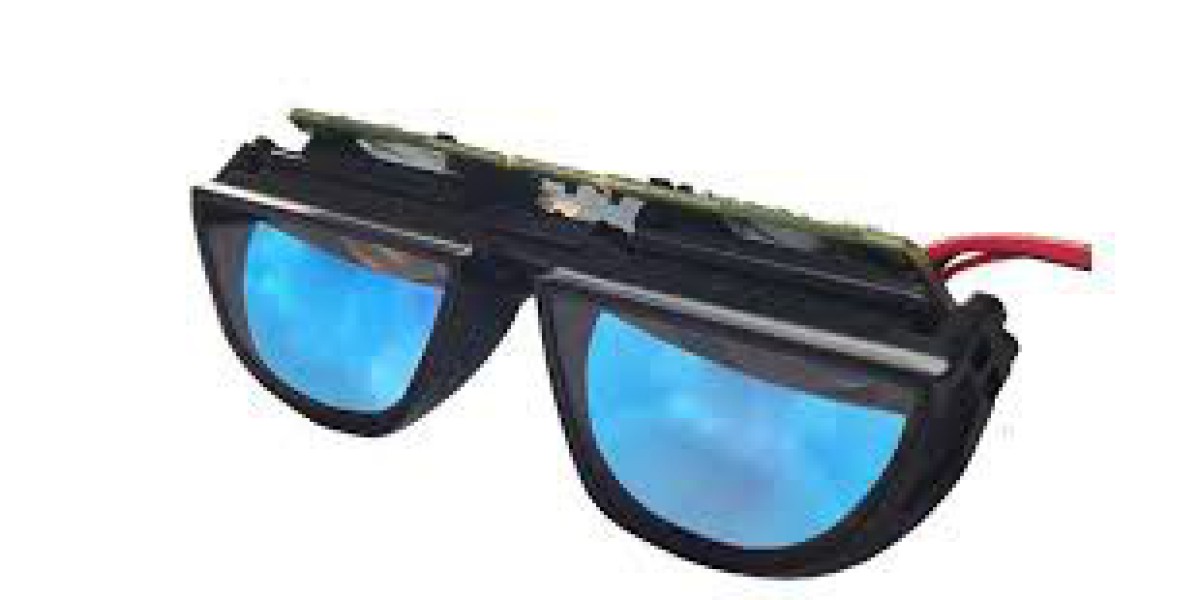

Bird bath optical module technology is widely used in augmented reality (AR) and near-eye display systems. It helps combine light from micro displays into a single, clear image using a compact optical path design. This makes AR devices lighter, sharper, and more efficient.
As AR and smart wearable devices continue to grow, manufacturers are focusing on optical solutions that improve image quality without increasing device size. The bird bath optical module provides a reliable balance between compact structure and high-performance visual output.
In this article, I will explain how bird bath optical modules work, their structure, advantages, applications, and future trends in AR and optical engineering systems.
What Is a Bird Bath Optical Module?
A bird bath optical module is a near-eye optical system used in AR and VR devices to project images from a micro display into the user’s eye. It uses a combination of lenses and a semi-reflective beam splitter to fold the optical path.
The design is called “bird bath” because the structure resembles a small basin where light travels, reflects, and merges into a final image. This system helps achieve a compact design while maintaining high image quality and brightness.
Bird bath optical modules are commonly used in AR smart glasses, wearable displays, and optical simulation systems where space and image clarity are both critical.
How Bird Bath Optical Module Works
The bird bath optical module works by combining a display source, a beam splitter, and a concave mirror or lens system. Light from a micro display first passes through a beam splitter, then reflects off a curved optical surface, and finally reaches the user’s eye.
This folded optical path allows images to appear at a virtual distance while keeping the hardware compact. The beam splitter helps mix real-world and digital images, enabling augmented reality experiences.
The system ensures high brightness and clarity by minimizing light loss and optimizing reflection angles inside the optical module.
Key Components of Bird Bath Optical Module
Micro Display Source
The micro display generates digital images that are projected into the optical system for viewing.
Beam Splitter
The beam splitter is a semi-transparent optical element that reflects and transmits light simultaneously.
Concave Mirror or Lens
This component helps focus and redirect light toward the eye, creating a clear virtual image.
Optical Housing
The housing structure keeps all components aligned and protects the internal optical system.
Coating Layers
Anti-reflective coatings improve light efficiency and reduce unwanted glare.
Advantages of Bird Bath Optical Module
High Image Brightness
Bird bath systems deliver strong brightness, making them suitable for outdoor AR applications.
Compact Optical Design
The folded optical path reduces system size while maintaining high performance.
Excellent Image Clarity
These modules provide sharp and stable virtual images with minimal distortion.
Cost-Effective Solution
Compared to waveguide optics, bird bath systems are often easier and more affordable to manufacture.
Flexible Integration
They can be integrated into various AR glasses and wearable display devices.
Bird Bath Optical Module in AR Devices
Bird bath optical modules are widely used in augmented reality smart glasses. They allow digital images to overlay real-world environments with accurate alignment and brightness.
These systems are often preferred in industrial AR applications, training simulators, and navigation systems due to their reliability and optical efficiency.
They also support rapid prototyping in AR device development because of their simpler optical structure compared to waveguide solutions.
Applications of Bird Bath Optical Module Technology
Augmented Reality Glasses
Bird bath modules are commonly used in AR glasses for immersive visual experiences and real-time information display.
Industrial Training Systems
Factories and technical training environments use AR systems with bird bath optics for simulation and guidance.
Medical Visualization Devices
Medical AR systems use these modules for surgery assistance and diagnostic imaging overlays.
Defense and Aviation Systems
Military and aviation head-mounted displays rely on bird bath optics for reliable visual augmentation.
Consumer Smart Wearables
Smart wearable devices use compact bird bath systems for lightweight AR experiences.
Bird Bath Optical Module vs Waveguide Optics
Bird bath optical modules and waveguide optics are both used in AR devices, but they differ in design and performance.
Bird bath systems offer higher brightness and simpler optical design, making them easier to manufacture. However, they are generally bulkier compared to waveguide solutions.
Waveguide optics provide slimmer designs but often come with higher manufacturing costs and complexity. Bird bath modules remain popular for cost-sensitive and high-brightness applications.
Challenges in Bird Bath Optical Design
One major challenge in bird bath optical modules is size limitation. Although compact compared to traditional optics, they are still larger than waveguide-based systems.
Another challenge is optical alignment. Precise positioning of lenses and mirrors is required to maintain image quality.
Reflection losses can also affect efficiency, requiring high-quality coatings and precise optical engineering.
Future Trends in Bird Bath Optical Modules
The future of bird bath optical module technology is closely linked to AR device evolution. Manufacturers are improving optical coatings, reducing size, and enhancing brightness efficiency.
Hybrid systems combining bird bath optics with advanced micro displays are also being developed for better performance.
As AR glasses become more mainstream, bird bath optical modules will continue to play an important role in affordable and high-performance wearable display solutions.
Conclusion
Bird bath optical module technology is a key solution in augmented reality display systems, offering high brightness, compact design, and reliable image quality. It is widely used in AR glasses, industrial training, medical visualization, and defense applications.
As AR technology continues to grow, bird bath optical modules will remain important for delivering cost-effective and high-performance optical solutions. Their balance of simplicity and efficiency makes them a strong choice for next-generation wearable devices.