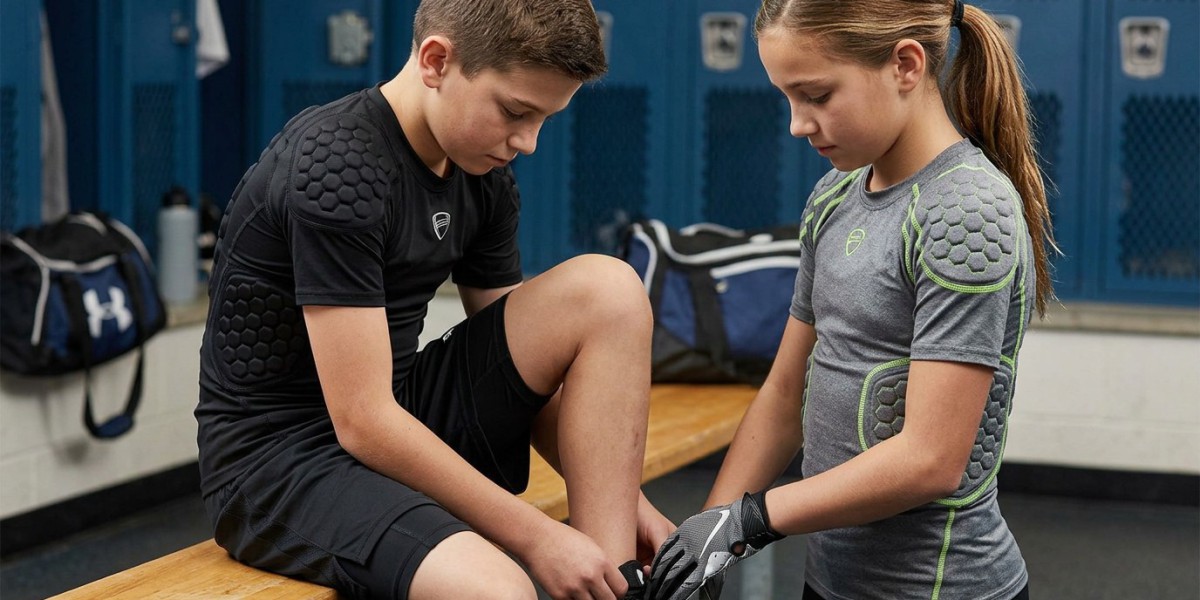

The landscape of youth sports has changed significantly by 2026, with a much heavier emphasis on technological safety and athlete comfort than ever before. As parents, the priority is always ensuring that children can enjoy their favorite activities like football, basketball, or lacrosse while minimizing the risk of impact-related injuries. One of the most effective ways to bridge the gap between heavy traditional armor and lightweight athletic wear is through the use of youth padded compression shirts. These garments provide a streamlined layer of defense that moves with the athlete, offering a level of versatility that traditional gear often lacks.
In 2026, the demand for high-performance base layers has led to innovations in impact-absorbing materials and textile engineering.Choosing the right shirt is no longer just about picking a size off the shelf; it involves understanding how different padding densities and fabric blends contribute to both protection and temperature regulation. This guide will walk you through everything you need to know to select a shirt that keeps your young athlete safe, confident, and focused on the game.
The Evolution of Breathable Impact Protection
Modern youth padded compression shirts are a far cry from the bulky, heat-trapping versions used a decade ago. In the current 2026 market, manufacturers have integrated advanced polymers and high-filament yarns that allow for 50 percent faster moisture transfer than standard polyester. This means that even during high-intensity summer practices, the shirt actively pulls sweat away from the skin, preventing the heavy, soggy feeling that can lead to chafing or overheating. The goal is to provide a second skin that enhances performance while offering a necessary defense against blunt force trauma.
Beyond just the fabric, the design of the padding itself has evolved to be more anatomical. Instead of large, stiff blocks of foam, 2026 gear utilizes segment-shaped padding layouts that mimic natural muscle movement. This allows a young quarterback or wide receiver to maintain a full range of motion without the padding shifting out of place during a throw or a catch. High-density EVA foam remains the gold standard for its ability to absorb point-impact energy, such as a hit-by-pitch in baseball or a hard fall on a basketball court.
Key benefits of advanced breathable protection include:
Accelerated thermoregulation through mesh ventilation panels.
Reduced risk of heat stress during long tournament days.
Precision padding placement over the sternum, ribs, and collarbone.
Antimicrobial treatments that prevent the buildup of odor-causing bacteria.
Lightweight construction that reduces overall athlete fatigue.
Essential Features for High-Performance Compression
When evaluating different youth padded compression shirts, the quality of the stitching and the resilience of the fabric are critical. In 2026, durable construction methods like flatlock and ActiveSeam will become the industry standard for high-end gear. These techniques ensure that the seams lay flat against the skin, which is essential for preventing irritation during long periods of wear. Furthermore, reinforced stitching in high-stress areas like the shoulders and underarms ensures that the shirt can withstand the rigors of repeated washing and the physical nature of contact sports.
Another feature to prioritize is the flexibility of the protective inserts. Many top-tier shirts now feature perforated padding, which allows air to circulate through the pads themselves. This innovation has significantly improved the comfort level of protective base layers, making them a preferred choice for athletes who previously found padded shirts too restrictive or hot. When you look at the material composition, a blend of approximately 85 percent polyester and 15 percent spandex typically offers the best balance of compression and durability, ensuring the shirt maintains its shape over the course of a full season.
Look for these high-quality construction details:
Four-way stretch fabric for explosive, unrestricted movement.
Perforated padding for enhanced airflow in high-heat zones.
Flatlock seams to eliminate skin chafing and irritation.
High-filament polymers that maintain compressive integrity.
Integrated pads that do not shift or bunch up during play.
Padded Compression Shirts vs Traditional Youth Shoulder Pads
A common question for parents is how these compression shirts compare to traditional youth shoulder pads. While traditional pads provide a hard-shell shield for high-impact sports like tackle football, they can often be heavy and limit mobility for certain positions.Padded compression shirts offer a lightweight alternative or a supplemental layer of protection. For instance, many football players wear a padded shirt under their primary pads to provide extra coverage for the ribs and spine, areas that traditional pads might leave exposed during certain movements.
Tag Sports Gear provides a variety of options designed to meet these specific safety needs. For athletes in non-tackle sports, such as flag football or basketball, a padded compression shirt is often the primary source of protection, offering enough impact absorption to prevent bruises and minor injuries without the bulk of a hard shell. This versatility is why the 2026 market has seen a shift toward integrated solutions that provide 360-degree torso protection while allowing for maximum agility.
Comparison of Protection Types:
Coverage: Padded shirts often cover ribs and spine more effectively than standard pads.
Mobility: Compression gear allows for full arm rotation, vital for throwing and catching.
Weight: Shirts are significantly lighter, reducing the physical toll on younger athletes.
Breathability: Integrated mesh panels in shirts offer superior cooling compared to hard plastic.
Fit: Compression fit ensures the padding stays exactly where it is needed during impact.
Sizing and Fit for Maximum Safety
Ensuring the correct fit is the most important step in purchasing youth padded compression shirts. A shirt that is too loose will allow the pads to shift away from the vital areas they are meant to protect, while a shirt that is too tight can restrict breathing and blood flow. In 2026, sizing has become more precise, with most brands providing detailed charts based on chest circumference rather than just age or weight. To get an accurate measurement, wrap a soft tape measure around the fullest part of the child's chest, ensuring the tape is snug but not constricting.
A helpful tip for parents is the one-finger rule: you should be able to fit one finger between the fabric and the skin comfortably. If the fabric bunches up or the sleeves feel loose, the compression is not sufficient to provide the muscle support and padding stability required for sports. For youth athletes who are between sizes, it is generally recommended to choose the smaller size if they are at the end of a growth spurt to ensure a secure fit, or the larger size if they are just beginning a new growth phase and the current fit is already snug.
Steps for accurate sizing:
1. Measure the chest circumference at the widest point under the arms.
2. Check the natural waistline just above the hip bones.
3. Compare height and weight to the manufacturer's specific size ranges.
4. Verify the garment length to ensure it can be tucked in if necessary.
5. Account for the use of additional gear, such as standard pads, when choosing a size.
Versatility Across Various Youth Sports
While frequently associated with football, youth padded compression shirts are becoming essential across a wide range of athletic activities in 2026. In basketball, these shirts protect the ribs and sternum from elbows during rebounds and falls on the hardwood. In baseball, they provide peace of mind for batters who may be at risk of being hit by a pitch.5 The low-profile design of these shirts makes them nearly invisible under a jersey, allowing the athlete to feel protected without drawing attention to the extra gear.
Lacrosse and rugby players also benefit from the strategic padding, as these sports involve frequent torso contact and ground impact. The compression element of the shirt also aids in muscle recovery by improving circulation, which is a major benefit for tournament weekends where kids may play multiple games in a single day. This multi-sport functionality makes a high-quality padded shirt a smart investment for parents of multi-sport athletes, as one piece of gear can serve several different roles throughout the year.
Common sports and their protection needs:
Basketball: Rib and sternum protection for aggressive play in the paint.
Baseball: Chest and rib guards for batters and catchers.
Soccer: Rib protection for goalkeepers diving for saves.
Lacrosse: Sternum and shoulder protection against stick and body checks.
Flag Football: Lightweight padding for accidental collisions and falls.
Maintenance and Care for Protective Gear
To ensure that youth padded compression shirts maintain their protective qualities and elastic integrity, proper care is essential.The high-performance fabrics used in 2026 are durable, but they can be damaged by high heat or harsh chemicals. It is always recommended to wash these shirts in cold water on a gentle cycle. Using a mesh laundry bag can further protect the padding and the delicate stitching from getting caught on other items in the wash. Avoid using fabric softeners, as these can coat the fibers and reduce the moisture-wicking capabilities of the shirt.
Drying the gear is equally important. High heat from a dryer can cause the padding to warp or the spandex to lose its elasticity. Air drying is the best method to preserve the lifespan of the garment. If you must use a dryer, choose the lowest heat setting available. Regularly inspecting the shirt for any signs of wear, such as thinning fabric or loose padding segments, will ensure that your child is always protected by gear that is in top condition.
Maintenance checklist for parents:
Wash in cold water with a mild detergent.
Air dry by hanging or laying the shirt flat.
Avoid bleach and fabric softeners to preserve moisture-wicking technology.
Check pads regularly for signs of deformation or shifting.
Replace the shirt if the compression fit becomes loose or the fabric tears.
By following this guide, you can confidently select the best youth padded compression shirts for your young athlete. The right balance of comfort, mobility, and impact protection will not only help prevent injuries but also allow your child to play with the confidence they need to succeed in the competitive world of 2026 youth sports. Finding gear that fits properly and utilizes modern materials ensures that safety never comes at the expense of performance.