
Introduction
Managing several medicines every day can become difficult, especially when schedules continue for weeks, months, or longer. People may forget whether they have already prepared a dose, become confused by different medication times, or need help organizing medicines for a family member. A pill box can provide a simple way to organize scheduled medicines and make a daily routine easier to understand.
A pill box can be useful at home, while traveling, or as part of a caregiver's routine. When combined with appropriate reminders, it can provide an additional organizational layer without replacing professional medical advice.
What Is a Pill Box?
A pill box is a container designed to help organize medicines. Many pill boxes have separate compartments for different days, times, or doses.
Depending on the design, a pill box may include:
- Daily compartments
- Multiple compartments for different times
- Removable sections
- Labels for days of the week
- Morning, afternoon, and evening sections
- Large, easy-to-open compartments
- Reminder-related features in some models
The exact design varies. Some basic pill boxes are simple containers, while more advanced medication organization systems may include alarms or other reminder features.
Users should check with a pharmacist before transferring medicines into a pill box because some medicines need specific storage conditions or should remain in their original packaging.
7 Benefits of Using a Pill Box
1. Makes Medication Organization Easier
One of the main benefits of a pill box is organization.
When several medicines are involved, keeping everything in separate containers can make a routine feel complicated. A compartment-based system can provide a clear visual way to organize medicines according to an established schedule.
This can help users:
- Separate medicines by day
- Organize scheduled times
- Prepare a routine in advance when appropriate
- Reduce unnecessary searching for medicine containers
- Keep medication-related items more organized
The medication schedule itself should always come from a healthcare professional.
2. Supports Long-Term Daily Medication
People taking Long-term daily medication may need to follow the same general schedule for an extended period.
Repeating the same routine every day can become easier when medicines are organized consistently.
A pill box can help users see which compartments belong to specific days or times. This may make a long-term routine more structured and reduce the need to organize medicines from scratch every day.
However, medication schedules can change. Users should update their organization system whenever their doctor or pharmacist changes their instructions.
3. Works Alongside Medication Reminders
A pill box and a digital reminder can serve different purposes.
The pill box helps organize the medicine, while a reminder app can alert the user when it is time to check the planned medication schedule.
Some people may use a pill box together with Full-screen medication alarms or other noticeable phone notifications.
This combination can provide two separate organizational steps:
- The medicine is organized according to the established schedule.
- The reminder alerts the user when it is time to check the schedule.
A reminder does not confirm that medication was taken. Users should still follow their medication instructions carefully.
4. Can Help When Caring for a Parent
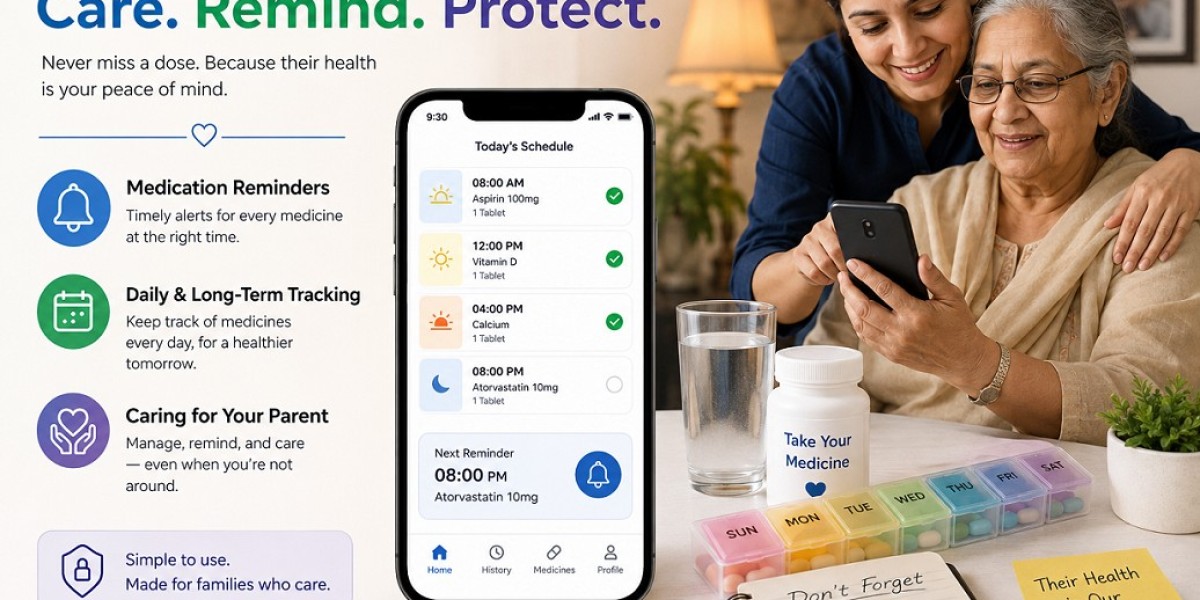
Medication organization can become an important responsibility when Caring for a parent.
A clearly organized system may help family members understand which medicines have been prepared for specific days or times. It can also make it easier to discuss medication organization with a parent and their healthcare professionals.
Caregivers can use organizational tools to:
- Keep scheduled medicines easier to identify
- Support a regular routine
- Reduce confusion around prepared doses
- Coordinate medication-related tasks
- Discuss concerns with a doctor or pharmacist
A pill box should not be used by a caregiver to independently change a parent's medication schedule or dosage.
5. Reduces Dependence on Memory
Remembering every medication time can be challenging. This is especially true when a person has a busy schedule or several daily responsibilities.
A pill box provides a physical organization system that can complement reminders.
For example, instead of asking, “Which medicine did I organize for today?” users may be able to check the appropriate labeled compartment.
However, an empty compartment does not always prove that medication was taken. It may have been moved, forgotten, or handled incorrectly. Users should treat the pill box as an organization aid rather than proof of adherence.
6. Helps Create a More Consistent Routine
Consistency can make everyday medication management easier.
A clearly organized pill box can become part of a person's regular routine. Users may check their schedule, prepare medicines when appropriate, and use reminders to stay aware of planned times.
A consistent routine may include:
- Reviewing medication instructions
- Organizing medicines safely
- Setting appropriate reminders
- Checking the correct day or time
- Keeping medication stored properly
- Updating the routine when instructions change
The goal is not to create a new treatment plan but to make an existing plan easier to organize.
7. May Support Better Medication Tracking
Some medication organization systems can be used alongside a digital record or reminder application. Depending on the tools available, users may record reminder activity and review patterns over time.
An adherence histor may show information such as:
- Reminders marked as completed
- Missed reminders
- Dates and times
- General reminder patterns
However, reminder records and pill box compartments cannot independently prove that a medicine was taken. Accurate tracking depends on the user's actions and the features of the specific system.
Important Features to Look For
When choosing a pill box, consider the user's daily needs.
| Feature | Why It Can Be Useful |
|---|---|
| Clear labels | Makes days or times easier to identify |
| Large compartments | Can be easier to handle |
| Multiple sections | Helps organize different scheduled times |
| Secure closure | Helps keep compartments closed |
| Portable design | Useful for travel or daily movement |
| Easy-to-read markings | Helpful for quick identification |
| Reminder compatibility | Can work alongside phone alerts |
| Easy cleaning | Helps maintain a practical routine |
Not every medicine should be placed in a pill box. Ask a pharmacist whether a particular medicine can safely be removed from its original packaging.
How to Use a Pill Box Safely
A pill box should be used as an organizational tool, not as a substitute for medication instructions.
Follow these general steps:
- Review the medication instructions. Keep the prescription labels or professional instructions available.
- Check storage requirements. Some medicines may require special storage.
- Ask a pharmacist about pill-box suitability. Not every medication is appropriate for repackaging.
- Organize carefully. Avoid mixing medicines unless the organization method is appropriate.
- Use clear labels. Make the schedule easy to understand.
- Keep reminders enabled. A phone reminder can complement physical organization.
- Review changes promptly. Update the system when a healthcare professional changes medication instructions.
How Pill Reminder Can Help
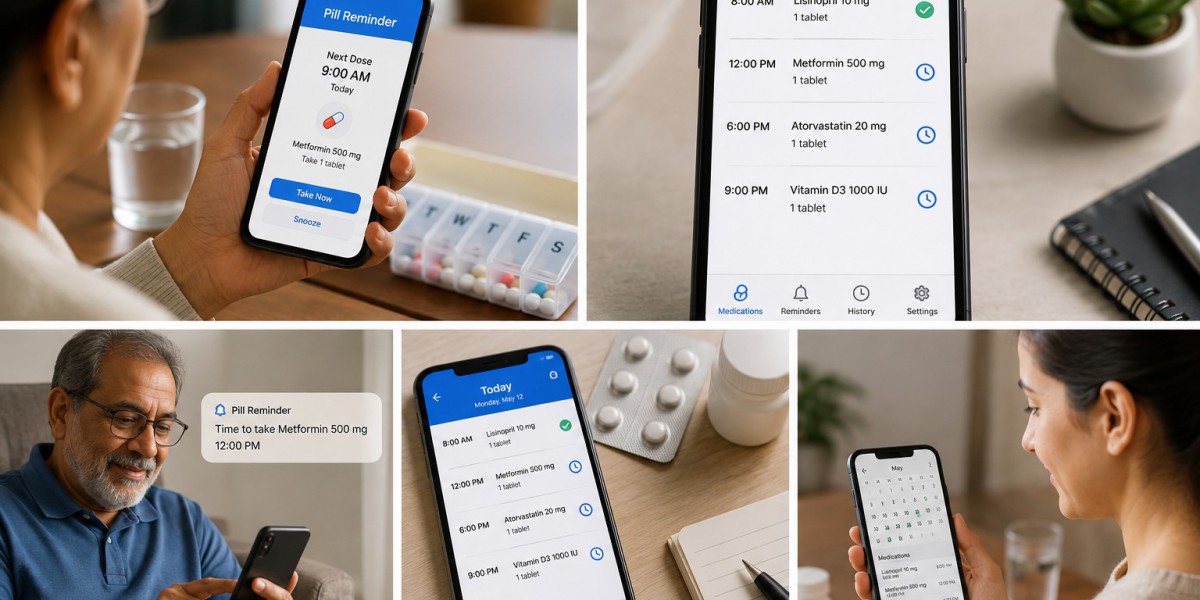
Pill Reminder can support a more organized approach to medication reminders. A digital reminder system can work alongside physical organization tools by helping users remember when to check their planned medication schedule.
For people managing their own medicines, using a pill organization system with reminders may provide a structured daily workflow. It can also offer useful organizational support for family members helping with medication routines.
The purpose of reminder technology is to support awareness and organization, not to replace doctors, pharmacists, or prescribed treatment instructions.
Medication Safety Tips
Keep these points in mind when using a pill box:
- Follow your prescription instructions.
- Never change a dose based on a reminder or pill box.
- Ask a pharmacist before moving medicines into a pill box.
- Keep medicines away from children and pets.
- Follow required storage conditions.
- Keep medicines in their original packaging when required.
- Do not assume an empty compartment proves a dose was taken.
- If you miss a dose, follow the medicine-specific instructions or contact a healthcare professional.
- Do not take an extra dose simply because you are unsure whether a previous dose was taken.
Frequently Asked Questions
What is a pill box used for?
A pill box is used to organize medicines according to a planned medication schedule. It can make daily medication management easier to understand.
Can a pill box help with long-term medication?
Yes. A compartment-based organization system can help people manage recurring schedules, including long-term daily medication routines.
Can I use a pill box with phone reminders?
Yes. A physical organization system can be used alongside phone notifications or Full-screen medication alarms.
Can a pill box help when caring for a parent?
Yes. It can provide organizational support for family members who help manage a parent's medication routine. It should not be used to make medication decisions without professional guidance.
Does a pill box prove that I took my medicine?
No. An empty compartment or reminder record does not independently prove that medication was taken.
Can every medicine be stored in a pill box?
No. Some medicines have specific storage or packaging requirements. Ask a pharmacist before transferring medication to a pill box.
What should I do if I miss a medication reminder?
Follow the instructions for that specific medicine. If you are unsure what to do, contact a doctor or pharmacist rather than guessing or taking an extra dose.
Conclusion
A pill box can provide a simple way to organize daily medicines and make recurring medication routines easier to manage. It can be particularly useful for people following long-term schedules or family members Caring for a parent.
When combined with digital reminders such as Full-screen medication alarms, a pill organization system can provide an additional layer of support. An adherence histor or reminder record may also help users review their reminder activity, although these records do not prove that medication was taken.